As an Amazon Associate, we earn from qualifying purchases. Some links on this site are affiliate links at no extra cost to you. Our recommendations are based on thorough research and editorial judgment.

A 30-Day Plastic-Free Challenge (Beginner-Friendly Version)

Feeling overwhelmed by plastic waste? You’re not alone. A lot of folks are looking for ways to cut down on single-use plastics, and that’s where a 30-Day Plastic-Free Challenge comes in. Instead of reaching for plastic bags at the store, consider switching to reusable cloth ones. This small change can make a big difference over time.
Have you thought about how much you use single-use items daily? Switching to stainless steel bottles and bamboo toothbrushes can help reduce that pile of trash. It can feel a bit daunting at first, but tracking your daily habits can keep your motivation high.
Want to make it even easier? Try shopping at local farmers’ markets where packaging is usually much less of an issue.
Here’s the trick: challenge yourself to find even more simple swaps that fit into your routine. You’ll be surprised at how manageable and rewarding this can feel. Each little step counts, and over a month, those steps really add up to something significant.
So why does this matter? It’s about creating a habit that leads to lasting change. If each of us does just a little bit, we can collectively cut down on plastic waste.
In summary, give the challenge a shot! Every small switch helps, and who knows? You might find yourself excited for new ways to reduce your plastic footprint.
How will you start your journey?
Key Takeaways
- Start with a plastic audit of your household items to identify easy swaps and track progress throughout the challenge.
- Use reusable bags, straws, and water bottles to replace common single-use plastics in your daily routine.
- Set realistic weekly goals focused on one type of plastic to make sustainable changes manageable and rewarding.
- Shop at local farmer’s markets and zero-waste stores to find fresh produce without plastic packaging.
- Document your journey and share your experiences online to inspire others and foster community support for plastic reduction.
Understanding the 30-Day Plastic-Free Challenge: Engage and Reduce Your Footprint
Have you ever stopped to think about the amount of plastic you encounter daily? It’s pretty shocking when you start counting. That’s where the 30-Day Plastic-Free Challenge comes in, especially during Plastic Free July. It’s a chance to shake things up and cut down on plastic use in a fun, engaging way. Each day of the challenge offers straightforward actions, like switching to reusable bags or buying groceries in bulk instead of those pre-packaged snacks.
These small shifts really add up! When we make these changes collectively, we can have a significant impact. Did you know that in past years, folks participating in the challenge managed to reduce over 500 million pounds of plastic waste? That’s huge!
Truth is, tracking your plastic use before and after the challenge is super helpful. It lets you see how far you’ve come and where you might still improve. Using heavy duty reusable bags is one practical step that can drastically cut down single-use plastic bag waste. So, why not give it a shot? Let’s support one another in taking these positive steps towards a cleaner, healthier planet. What’s one action you think you can take today to start reducing your plastic footprint?
Why Going Plastic-Free Matters for the Environment
How often do you think about the plastic waste you create? It’s easy to overlook, but every week, the average American produces about five pounds of plastic waste. This not only adds to pollution but impacts our oceans and wildlife in a devastating way. So, why does this matter? Simple choices we make can lead to a healthier planet.
When you cut down on plastic, especially those pesky single-use items, you’re helping to protect marine life. Believe it or not, around 8 million metric tons of plastic end up in our oceans each year. That’s staggering! By making small changes in your daily life, you can be part of the solution. Try this: bring a reusable bag when you go shopping, opt for a stainless steel bottle, or switch to bamboo utensils instead of plastic.
Reducing plastic also helps the environment by lowering carbon emissions since producing plastics releases greenhouse gases. Honestly, it’s a win-win situation. You’re not just doing your part; you’re also encouraging those around you to think twice about their plastic use.
The best part is that these small steps can inspire your community. Change begins with us, and when we share our experiences, others might feel motivated to join in. So, next time you’re tempted to buy a plastic item, ask yourself if there’s a better option.
In the end, every effort counts in tackling our plastic problem. Using plant-based trash bags made from renewable materials is one effective way to reduce plastic waste.
What small changes can you make today to help create a cleaner world?
Prepare for Your Plastic-Free Challenge With These Steps

What’s lurking in your bathroom cupboard or kitchen cabinet? Before we dive into a plastic-free challenge, it’s crucial to take stock of what you currently have. Start by doing a plastic audit of your toiletries, groceries, and cleaning products. Identifying plastic items that can easily be swapped out is the first step towards change.
Keep your findings in a notebook to track your progress—it’s a great motivator! And here’s a thought: don’t just toss those useful plastic items in the trash. Consider donating them or passing them along to someone who can use them.
Next, it’s all about prepping for your new routine. Gather up reusable containers, shopping bags, and utensils to ensure you can tackle your daily activities without reaching for single-use plastics.
Set realistic goals for each week. It doesn’t have to feel overwhelming—by taking it week by week, you’ll find it’s much more manageable and truly rewarding.
One simple swap to consider early on is replacing plastic plant pots with compostable plant pots, which are eco-friendly, biodegradable, and help reduce plastic waste in gardening.
Plastic-Free Daily Actions: Weeks 1-2
Have you ever thought about how much plastic we use in our daily lives? It’s everywhere, from grocery bags to water bottles. As we kick off this journey towards living a plastic-free life over the next couple of weeks, let’s dive into some simple but effective swaps you can make.
On Day 1, grab a reusable tote bag before heading out to shop. This small change can make a big difference in reducing the need for those pesky plastic bags. Then, on Day 2, try using reusable straws. Not only do they look cooler, but they also help cut down on waste.
By Day 3, it’s time to ditch those plastic water bottles. Switch to stainless steel or glass options. They keep your drinks cold, and you’ll never have to worry about plastic leaching into your water. On Day 4, enjoy your coffee at home in a reusable cup instead of getting that takeaway cup that probably ends up in the trash.
As the week goes on, make some easy switches in your kitchen. Replace your plastic snack bags with silicone ones. Seriously, they’re durable and many are dishwasher-safe, making cleanup a breeze. You might also think about moving your food storage over to glass or stainless steel containers. They’ll keep your food fresh and there’s something nice about seeing your ingredients in clear containers.
Oh, and don’t forget about supporting local farmers! Visit your nearby farmer’s market to score fresh produce while avoiding plastic packaging. It’s a win-win. Using silicone bags not only helps reduce plastic waste but also offers versatility for meal prep, cooking, and storage.
Plastic-Free Daily Actions: Weeks 3-4
Making the switch to a more eco-friendly lifestyle can feel a bit daunting, right? But the truth is, weeks 3 and 4 of the Plastic-Free Challenge offer some simple ways to cut down on plastic without throwing your routine into chaos.
Try this: swap out your plastic toothbrush for a bamboo one. It’s a small change, but it makes a real difference! Also, when you’re stocking up on tea, look for brands that offer bulk options in plastic-free packaging. You can enjoy your favorite brews while reducing waste at the same time.
Here’s the trick: you can make your own body scrubs right at home using natural ingredients you probably already have. Just think about using those kitchen leftovers instead of grabbing another plastic-packaged product. It’s easier than it sounds!
And let’s talk about shopping. Instead of constantly relying on those online orders, make an effort to visit local shops. Not only do you get to support your community, but you also help cut down on single-use plastics typically associated with shipping. Honestly, those small adjustments can add up and really make a difference.
Plus, choosing a toothbrush with medium bristles ensures effective cleaning while being gentle on your gums, making the switch both eco-friendly and good for your oral health.
Your Must-Have Tools for a Plastic-Free Journey
Starting a plastic-free journey can feel overwhelming at times. What if I told you there are some straightforward tools that can really make a difference? For starters, investing in durable reusable tote bags can help you ditch those one-time-use plastic bags when you’re grocery shopping. It’s a simple switch, but it sets the tone for the rest of your journey.
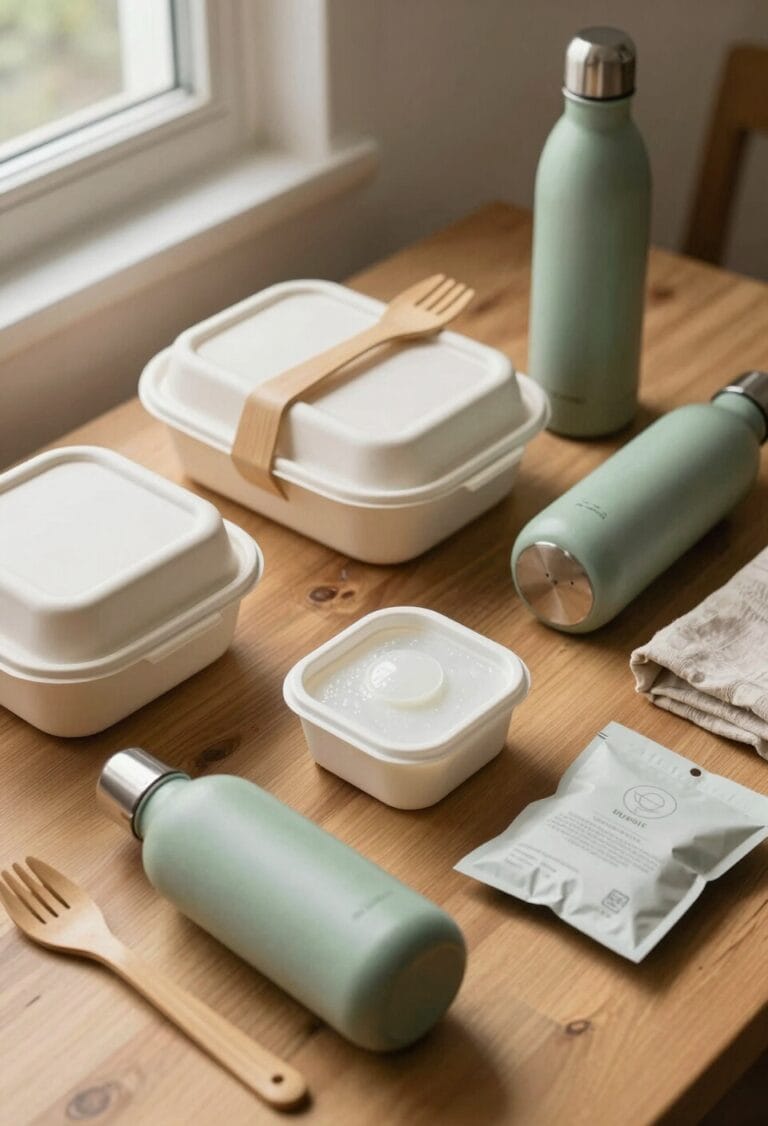
Next, think about replacing your plastic bottles. Going for stainless steel or BPA-free water bottles and travel mugs means you can enjoy your favorite drinks while cutting down on plastic waste. It’s a small change, but it adds up over time. And when it comes to food storage, here’s the trick: switch out cling film for beeswax wraps. They’re reusable for over a year and keep your food fresh without adding to the plastic problem.
Dining out often means a lot of single-use utensils. So, why not pack your own cutlery and reusable straws? It’s super easy and can eliminate the need for those pesky plastic utensils that just end up in the landfill. Plus, it’s kind of fun to have your own stuff when you’re out and about.
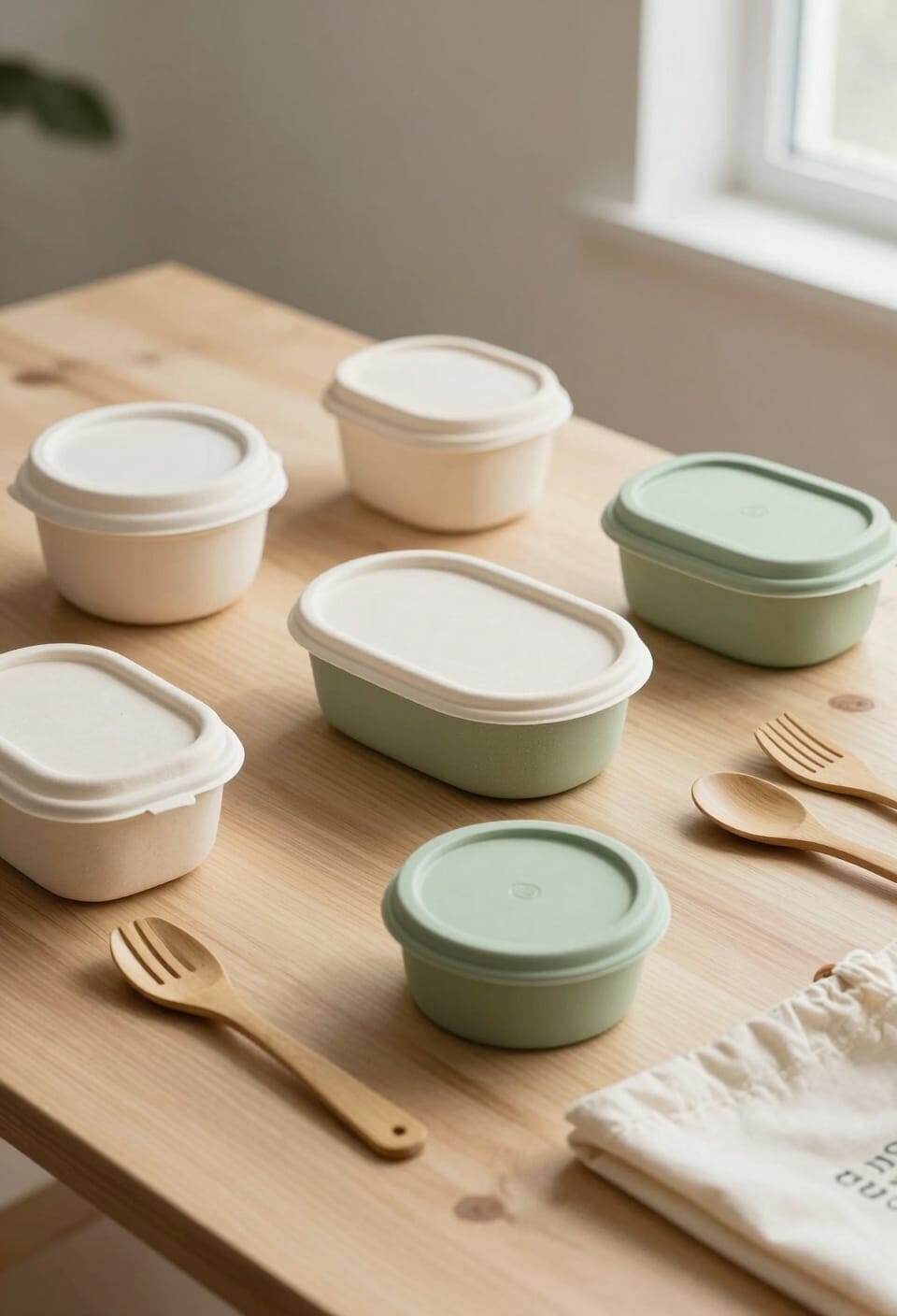
Finally, for those trips to bulk stores, bringing your own containers is a win-win. Not only does it encourage you to choose plastic-free options, but it also helps reduce excess packaging. You might be surprised at how many great options are out there when you look for them.
One of the easiest swaps that also helps the environment is using metal straws instead of single-use plastic ones, as they are durable, reusable, and stylish.
In short, starting your plastic-free journey doesn’t have to be complicated. Each small step can lead to big change. So, what tool will you try first on your path to a more sustainable lifestyle?
Strategies to Tackle Common Challenges in the Plastic-Free Challenge
Tackling the plastic-free challenge can feel overwhelming at first, right? But here’s the deal: you don’t have to go it alone. Start with a plastic audit at home to find those everyday items you could easily swap out.
Try this: create a reusable “plastic-free kit.” Pack some bags, utensils, and containers to help steer clear of those single-use plastics that seem to pop up everywhere.
Instead of making a huge switch all at once, consider taking it step by step. For instance, why not trade your plastic straws for bamboo ones? Setting small, achievable goals can be super motivating. Maybe aim to eliminate just one type of plastic each week. It gives you a sense of progress and purpose.
And don’t forget the power of community! Involve your friends or family in this. Sharing your journey not only makes it more enjoyable, but it also keeps you accountable.
One easy swap is using reusable bamboo straws, which are biodegradable and come with cleaning brushes for hassle-free maintenance.
Truth is, we can all embrace sustainability together and have a good time while doing it. So, what’s your first switch going to be this week?
Reflecting on Your Experiences: What Have You Learned?
Have you ever looked around and thought, “Wow, where does all this plastic come from?” Participating in the 30-Day Plastic-Free Challenge really opened my eyes to this issue. One big lesson was taking a close look at what ended up in our “reflections bag.” It was surprising to see just how much plastic we typically use without even thinking about it!
By paying attention to our habits, I noticed that switching to reusable silicone bags for snacks made a difference. Not only did it cut down on waste, but I also found myself getting more creative with meal prep. Instead of grabbing processed foods in plastic containers, I started seeking out local farmers for fresh, plastic-free ingredients.
Now, let’s be real—finding alternatives to single-use plastic can feel overwhelming at times. Sometimes, it made me wish I had more support from my community. It’s not just about one person making changes; it’s about all of us coming together to support each other. So, why does this matter? Our small efforts can add up to something much bigger. Sharing both the struggles and successes we face can motivate others to take part, too.
In the end, remember that every little step counts. Choosing reusable picnic plates is one practical way to reduce plastic waste during outdoor dining. What changes can you make today to reduce plastic in your life?
How to Sustain Your Plastic-Free Lifestyle Beyond 30 Days
Have you ever finished a challenge and felt that rush of pride, only to wonder what comes next? Completing the 30-Day Plastic-Free Challenge is a big deal, but keeping that momentum going is where the real work starts. Living sustainably isn’t just a sprint; it’s more like a marathon.
To stay on track, try keeping a log of your plastic usage. This simple practice helps raise awareness about your habits. Additionally, consider creating a ‘reflections bag’ where you can toss in items that remind you why you started this journey. The act of reflecting on your choices can be motivating.
Shopping at zero-waste stores should definitely be on your list. They not only offer great products but also make avoiding plastic easier. Always opt for reusable bags and containers—it’s a small switch that can lead to significant change. Participating in events like Plastic-Free July is another fantastic way to keep your enthusiasm alive.
Connecting with others can make a difference, too. Joining or forming a local environmental group allows you to meet people who share your values and commitment to reducing plastic waste. Why not brainstorm ways to hold each other accountable?
Advocating for policy changes in your community can also have a big impact. Pushing for better legislation on plastic waste not only helps the environment but encourages others to join the cause.
Finally, don’t underestimate the power of sharing your journey online. It’s a great way to inspire friends and family to take action. Who knows? Your story might just motivate someone else to kickstart their own sustainable habits.
As you move forward, remember that every step counts, no matter how small. Introducing reusable alternatives like bamboo chopsticks can reduce plastic waste one meal at a time. What are some changes you’re excited to keep going with?
Frequently Asked Questions
Can I Participate in the Challenge With a Family or Group?
Absolutely, we can participate together as a family! By planning activities and setting shared goals, we’ll motivate each other. Group strategies and kids’ involvement will enhance our experience, fostering community support through fun, collaborative challenges.
What if I Slip up and Use Plastic Accidentally?
When we slip up and use plastic, it’s important to embrace guilt-free living. We can cope with mistakes by focusing on gradual changes, using slip-up strategies, and leaning on our support networks to stay motivated and learn.
Are There Alternatives for Specific Plastic Items, Like Toiletries?
Did you know that over 1 billion plastic toothbrushes are thrown away each year? We can switch to bamboo toothbrushes, solid shampoo, biodegradable toothpaste, eco-friendly deodorants, refillable razors, natural soap, and reusable cotton rounds for a sustainable bathroom!
How Do I Source Plastic-Free Products in My Area?
We can source plastic-free products by exploring local markets and eco-friendly stores, checking community resources, seeking out sustainable brands, and browsing online shops. Joining recycling programs also helps us reduce our plastic footprint effectively.
Will This Challenge Save Me Money in the Long Run?
Yes, this challenge can save us money long term. By embracing minimalism and making eco-friendly choices, we’ll discover budgeting tips and financial incentives, leading to smarter spending and sustainable lifestyle changes that benefit both our wallets and the planet.