As an Amazon Associate, we earn from qualifying purchases. Some links on this site are affiliate links at no extra cost to you. Our recommendations are based on thorough research and editorial judgment.
How to Do a 15-Minute Trash Audit (Step-by-Step)

Have you ever taken a good look at your trash? You might be surprised at how much waste you produce in just one week. A quick 15-minute trash audit is a great way to get started on reducing that pile.
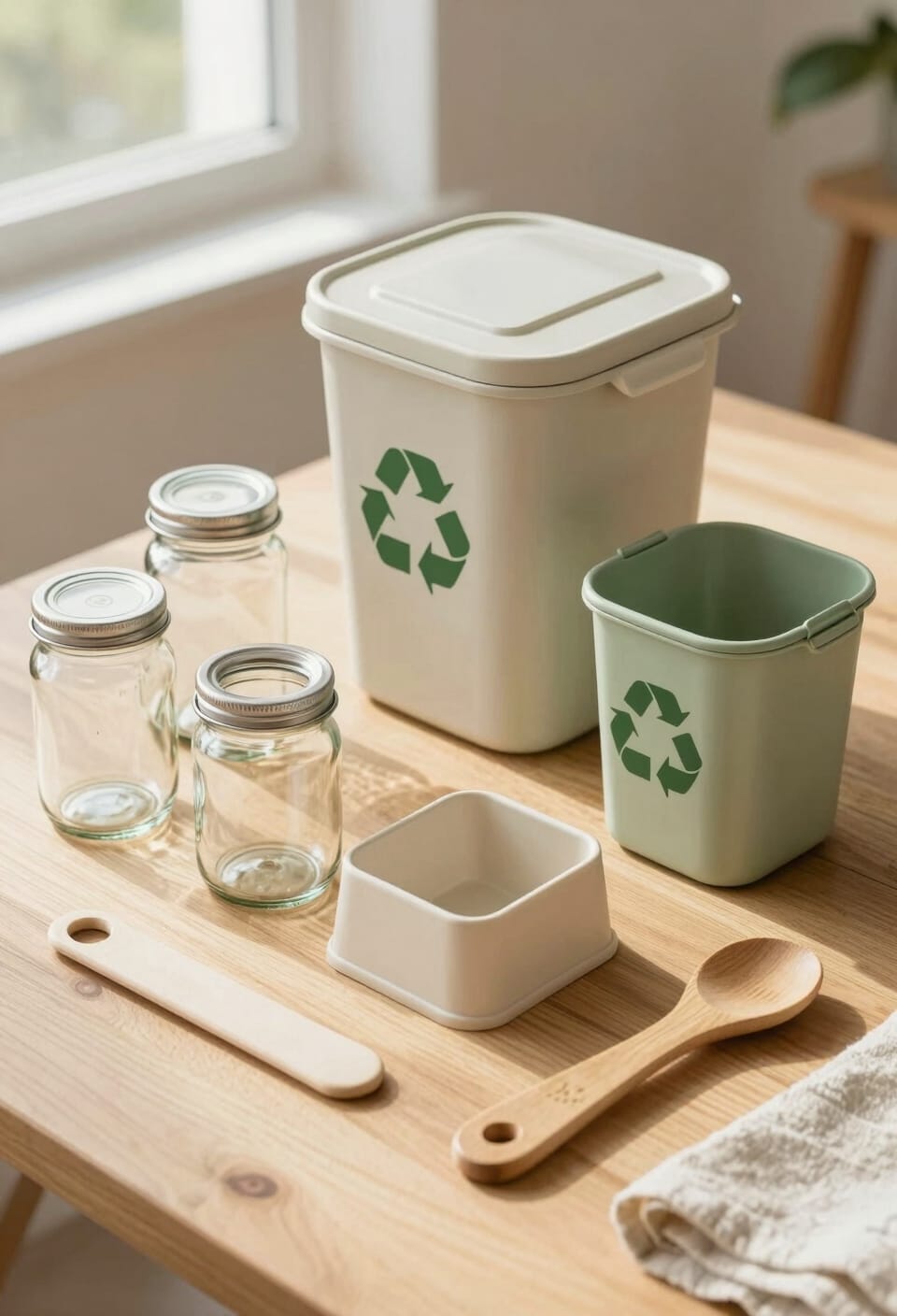
First, gather your supplies. You’ll need a trash bin, a tarp, and some labeled containers for compost, recycling, and landfill items. Once you’ve got everything together, spread your trash out on the tarp. This makes it easier to identify those pesky items that contribute to your waste, like food packaging and single-use plastics.
Next, it’s time to sort the trash. You’ll want to create piles for each category: compost, recycling, and landfill. As you do this, keep track of what you’re finding. How much of your waste is going into each bin? It’s often an eye-opener when you see the amount of recyclables or compostables you’ve tossed without a second thought.
Now, let’s think about what you can change. Maybe you can swap plastic wrap for beeswax wraps or bring a reusable bag when shopping. It’s small changes like these that add up over time. Truth is, making a conscious effort to reduce waste can lead to a healthier planet.
When you finish sorting, take a moment to reflect on what you’ve found. What surprising items ended up in the landfill pile? Could you have avoided them? The best part is that this quick audit not only helps you understand your waste habits, but it also empowers you to make better choices moving forward.
Give it a try sometime!
So, how will you tackle your trash next time?
Key Takeaways
- Gather supplies like a trash bin, tarp, and labeled containers for compost, recycling, and landfill to organize the audit efficiently.
- Spread and sort trash into distinct piles for compostable, recyclable, reusable, and landfill items for clear visibility.
- Track and record the quantity of each category to identify waste trends and areas for reduction.
- Set specific waste reduction goals based on the audit findings, like decreasing single-use plastics by a certain percentage.
- Regularly reassess waste production through follow-up audits to ensure ongoing improvements and maintain sustainable habits.
Understanding the Purpose of a Trash Audit

Have you ever looked at your trash can and wondered where all that waste comes from? It’s a common struggle. Doing a trash audit can really help you take a closer look at your waste production patterns. By digging into what you throw away, you can identify specific things, like all that extra food packaging from places like Amazon or your local grocery store, that really pile up.
So, why does this matter? This insight gives you the chance to create focused plans to change your habits and reduce that waste. You can also gain a clearer understanding of your recycling and composting options, which makes you more informed about what to do with your waste.
Tracking your progress can be super motivating too! Visualizing how you’re moving toward that zero waste lifestyle can inspire you to keep going. It’s all about taking actionable steps together for meaningful change—let’s dive into this audit with open minds!
To get started, consider the following tips:
- Sort your trash: Take a few days to keep an eye on what you toss.
- Categorize it: Break it down into categories like food waste, plastic, and paper.
- Analyze the findings: Look for trends—what shows up repeatedly?
Truth is, we all produce waste, but we can make smarter choices if we know where our waste comes from. Once you start seeing those patterns, you’ll be surprised at what you can do to minimize your footprint. Using eco-friendly options like bamboo charcoal air purifiers can also help create a greener home environment.
In the end, doing a trash audit isn’t just about numbers; it’s about understanding what you can change. What small step will you take today to reduce your waste?
Preparing for Your 15-Minute Audit

Getting ready for your 15-minute trash audit might sound a little odd, but it’s actually a great way to take a closer look at our waste habits. To make this process work, pick a day and time when life is pretty normal—no birthdays or major holidays. This helps you get the most accurate picture of what you’re tossing out.
Gather your supplies before you dive in. You’ll need a trash bin for collecting waste, a tarp for sorting everything, and either a notebook or a clipboard to jot down your findings. It really helps to create designated areas for compostable, recyclable, and landfill items. Oh, and here’s a tip: rinse out any food containers before you start; it makes recycling way easier.
So, why does this matter? By taking just a few moments to sort through your trash, you can spot items that maybe shouldn’t be in your garbage. Here’s the trick: keep an eye on things you throw away regularly—you might be surprised by how much of it can be composted or recycled.
After your audit, you’ll have a clearer idea of what you can cut down on or adjust in your waste habits. It’s a small step, but every bit counts! What’s one thing you could change after this little exercise? Using compostable bags during your cleanup can further reduce your environmental impact and support healthier soil.
Recommended Products

CERTIFIED COMPOSTABLE: These EcoSafe compostable trash bags/ garbage bin liners are BPI certified compostable and CMA approved for food waste disposal (BPI Cert #890992).

Versatile Fit: Designed to fit various bin shapes securely.

Sorting Your Trash Into Categories

Sorting our trash into categories is so important for understanding what we waste. Have you ever wondered how much of your garbage could actually be composted or recycled? To kick things off, spread your collected items out on a clean surface like a tarp—this makes everything easier to see. Then, create at least four distinct piles: compost, recycling, reuse, and landfill.
Here’s the trick: use labeled bins while sorting to avoid mixing everything up. It helps to keep track of how many items you find in each pile; this can really help if you’re thinking about conducting a waste audit later on. After you’ve sorted everything, take a moment to think about the categories. For instance, could you swap out single-use cups for reusable ones?
Honestly, even small changes make a big difference. So, what do you think? Are you ready to take a closer look at what you throw away? You’re taking significant steps towards sustainability, and that’s something to be proud of! Remember, incorporating products with eco-friendly packaging can further reduce environmental impact in your waste management efforts.
Recommended Products

【Large Capacity】: Compost bin outdoor - capacity:285 gallons, size:41"(L)*41"(W)*39.4"(H), it can easily handle large volumes of kitchen scraps and yard waste, perfectly meeting most household needs while significantly reducing turnover frequency
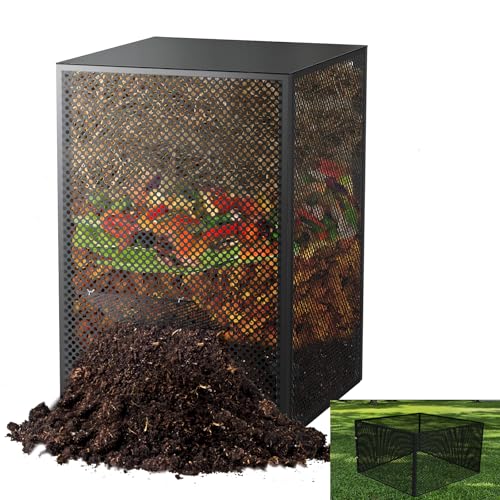
【2-in-1 Design: Horizontal & Vertical Assembly】Upgrade your outdoor space with our flexible 2-in-1 design! Assemble it vertically as a large 93/130 Gal compost bin for fast composting, or horizontally as a heavy-duty outdoor yard waste cage, leaf collection bin, landscape material containment, football collection bin, pet fence, or tool organizer. One bin, endless uses for your garden, yard, and kitchen waste

Fast & Efficient Composting: Strategic ventilation holes promote consistent airflow through the pile, supporting efficient decomposition and helping prevent stagnant buildup. With better circulation, your mix of dead plants and leaves can transform into rich, usable fertilizer. Shortest composting period is 2 weeks(depending on the materials used).
Understanding Your Waste Data
Ever wonder just how much waste you produce in a week? Tracking your trash might sound tedious, but it’s one of the best ways to get a clearer picture of your disposal habits. By noting the types and amounts of waste you generate, you might discover some surprising patterns.
Start by sorting your trash into three categories: recyclables, compostables, and landfill materials. This simple step helps you see what you toss out the most—like single-use plastics and food packaging. And guess what? Creating some visual representations, like charts or graphs, makes those trends really pop. They can lead you right to the areas where you can cut down on waste.
Trying to evaluate your waste data regularly is key. It nudges you toward making informed choices. Honestly, it’s about finding those small changes that can lead to bigger sustainability practices.
So, why does this matter? Every little effort counts when it comes to reducing our impact on the environment. Observing your waste may spark ideas on how to be more mindful about what you buy and how you dispose of it. Using zero waste dish soaps can be one practical step to cut down on single-use plastic bottles and harmful chemicals in your cleaning routine.
Trash Audit Goals for Effective Waste Reduction
Have you ever taken a moment to really think about the waste you’re generating? It can be eye-opening, and once you grasp the details, it’s time to set some solid trash audit goals to cut down on that waste. A smart first step is to pinpoint the top three items that are creating the most waste in your life.
Try this: set specific targets for yourself. For example, aim to cut down on single-use plastics by 50% over the next month. Breaking it down makes it easier to track your progress and keeps you motivated. Visual tools like charts can also help—seeing the types and amounts of waste you produce can highlight patterns and help you prioritize what needs tackling first.
Here’s the trick: make it a habit to schedule follow-up audits. This promotes ongoing improvement in how you manage waste over time. And don’t forget to reflect on what the audits reveal! It’s a good way to recognize the efforts you’ve made and the areas where you can still do better. Additionally, just as regular maintenance enhances the efficiency of devices, incorporating a routine review process in your waste management strategy can significantly boost your overall results.
Recommended Products

SIZE and Bulk Quantity: 96000 Count (96K) Count (96 Boxes,1000 Count/box) Pallet Package THANK YOU bags ,Measuring 11.5x6.5x21 inches,thickness of 0.47 mil, 1000 bags in box features convenient handles, making them ideal for storing food, goods, gifts, plastic bags for small business, and more

TOUGH TRASH BAG: With a double stitched bottom and a 100 lb weight capacity, these bags are tear-resistant. Whether you need to clean up bricks, concrete, broken glass; these Sandbaggy demolition bags can take it! We'd call them indestructible, but our legal team wouldn't let us.

Frustration Free - Our 12-16 Gal Black Trash bags are huge, rugged and mean. 1.0 Mil thick gauge means your project will stay puncture, tear, and frustration free even under heavy weight
Make Meaningful Changes From Your Audit Findings
Have you ever taken a moment to think about what actually ends up in your trash? After diving into findings from a recent trash audit, it’s clear that we need to make some real changes.
First up, let’s pinpoint the top three items that are making our waste heaps bigger. If paper towels are a leading culprit, consider switching to reusable dish towels. You’d be surprised at how much of a difference this small change can make. Oh, and don’t forget about composting your food scraps—it’s not just easy; it also helps turn organic waste into something useful.
Another easy win? Buying in bulk or opting for package-free alternatives for common items. It’s a simple way to cut down on disposables. Why bother with extra packaging when you can reduce waste right from the start?
Using compostable kitchen bags can also make managing your organic waste cleaner and more eco-friendly.
Recommended Products
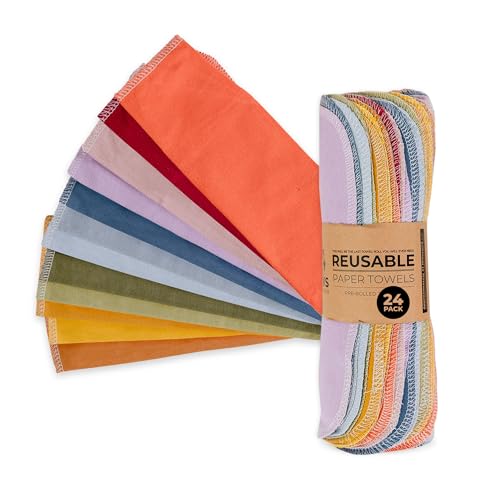
CLEAN UP EVERY CORNER OF YOUR HOME: Wipe up kitchen spills, grease splatters, bathroom messes, and pet accidents with durable cotton flannel sheets that outlast paper towels.

⭐ THE COMPLETE PAPERLESS KITCHEN SYSTEM – Seamlessly switch from disposable towels with this curated 24-pack. It includes 24 generously sized 12x11 inch organic towels, a sturdy organic cotton mesh laundry bag, and a heavy-duty reusable tube. Simply roll your clean towels onto the tube and place it on any standard paper towel holder or fold them and store them in a basket or napkin holder for familiar convenience. Our matching FSC-Certified Acacia Wood Napkin Holder (sold separately) is perfect for pairing with these.

Wool Dryer Balls for Laundry: Reusable wool balls naturally soften clothes, reduce wrinkles and static, and help cut drying time.
Planning for Follow-Up Audits to Track Progress
Ever wonder how you can keep your momentum going in reducing waste? Planning follow-up audits is a great way to stay on track. Ideally, these audits should happen every few months so you can get a solid look at changes in how much waste you’re producing. Each time you check in, it’s a chance to see how your efforts are making a difference and discover any new ways you might be creating waste.
Keep an eye on the total weight of your waste and pay attention to the items that seem to pile up the most. This will help you set concrete goals as you move into your next cycle. Celebrating those small victories—like cutting back on plastic wrappers or coffee cups—really helps keep spirits high. Plus, having a record of each audit helps you visualize how far you’ve come and keeps you motivated to keep cutting down on waste.
So, why does this matter? Tracking your progress not only shows how effective your strategies are, but it also keeps you accountable. You’re not just making changes; you’re building a habit. The best part? You get to see the real impact of your efforts over time. Incorporating reusable beeswax wraps into your routine is a handy way to reduce single-use plastics and promote sustainability alongside your waste reduction goals.
In short, follow-up audits can be a fun and effective way to make sure you’re on the right track with your waste reduction goals. What’s your next step in making a sustainable impact?
Recommended Products
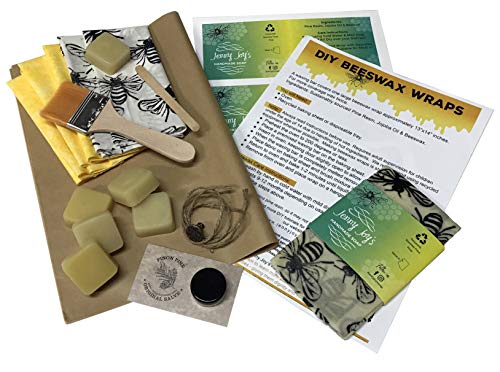
Simple & Fun: We are so happy to provide the best beeswax wrap kits on the market. We did all the groundwork to make the process seamless, simple and fun. Each block has been pre-mixed to the perfect beeswax/Pine Resin/Jojoba oil ratio to eliminate any guesswork for you. The instructions are well written and easy to follow.


REUSABLE VEGAN BEESWAX WRAPS FOR FOOD made from organic plant oils and natural tree resin in a large 14" x 52" wax paper roll with a colorful floral print
Frequently Asked Questions
How to Conduct a Trash Audit?
To conduct a trash audit, we’ll categorize our waste, analyze its composition using simple tools, and explore recycling options. We can share findings, apply improvisation tactics for improvement, and involve our community for greater environmental impact.
What Are the Steps in Conducting a Waste Audit?
To conduct a waste audit, we’ll collect trash, sort it by type, document our findings, and analyze for waste reduction strategies. This enhances our environmental awareness and supports sustainability goals through community involvement and eco-friendly products.
How to Do an Audit Step by Step?
Conducting an audit’s like peeling an onion; we uncover layers of waste. By sorting, analyzing, and engaging our community, we can embrace waste reduction, recycling benefits, and composting techniques while measuring landfill impacts through regular audits for sustainable practices.
What Are the 7 Steps in the Audit Process?
In our audit process, we focus on waste separation techniques, recycling best practices, and composting methods. We also assess landfill impact, explore waste reduction strategies, promote eco-friendly alternatives, and encourage community engagement and sustainability education.