As an Amazon Associate, we earn from qualifying purchases. Some links on this site are affiliate links at no extra cost to you. Our recommendations are based on thorough research and editorial judgment.


How to Replace Paper Towels (Without Creating Extra Laundry Chaos)

Want to cut down on waste in your kitchen? If you’re tired of constantly shopping for paper towels, switching to reusable cloths is a solid option. High-quality Swedish dishcloths are a fantastic choice for all kinds of messes. They absorb a lot and can replace up to 200 paper towels a month. Think about how much that saves you!
Keep around 20-30 cloth napkins and rags stashed in a dedicated basket. This makes it easy to grab one whenever you need it.
Setting up a weekly laundry routine can help you avoid chaos, and honestly, it’s easier than it sounds. Just toss them in with your regular wash—no special treatment needed.
So, why does this matter? Making these small changes can lead to a more sustainable kitchen routine that benefits both you and the planet.
With a little adjustment, you’ll reduce waste without adding to your laundry hassle. The best part is that you’ll feel good about your choices every time you reach for a cloth instead of a paper towel.
Next time you’re tempted to grab that roll of paper towels, consider giving reusable cloths a try. You’ll not only help the environment but also save a bit of money in the long run.
What’s your go-to eco-friendly swap in the kitchen?
Key Takeaways
- Start by analyzing your paper towel usage habits to identify specific tasks that can be replaced with cloth alternatives.
- Maintain a sufficient quantity of 20 to 30 cloth napkins and rags for effective rotation and cleanliness.
- Establish a weekly laundry routine and consider a “one load-a-day” approach to manage cloths easily.
- Rinse used cloths immediately after use and store them in a designated area until laundry day to prevent odors.
- Designate specific cloths for different tasks to avoid cross-contamination and maintain a tidy and hygienic system.
Environmental and Financial Benefits of Reducing Paper Towel Use

Have you ever thought about how much you spend on paper towels? It’s pretty eye-opening. American households drop around $5.7 billion on paper products each year! It might not seem like it, but cutting back on these disposables can really make a difference for both your wallet and the environment.
Switching to reusable options like Swedish dishcloths can decrease your paper towel use by up to 80%. That means for every dishcloth you use, you’re keeping around 17 rolls of paper towels out of landfills. How awesome is that? Plus, cloth napkins or rags can soak up messes more efficiently, making your cleaning tasks a breeze. Frequent users can actually see the savings pay off in just two weeks!
The best part is, this isn’t just about saving money. It’s also about making a positive impact on the planet. If you care about reducing waste, then making the switch is a smart move. So, why not give it a shot? You might be surprised by how much you can save both financially and environmentally.
Choosing products made from sustainable materials ensures that you further contribute to reducing your environmental footprint.
In short, switching to reusable cleaning alternatives feels like a no-brainer. Are you ready to make a small change that could lead to big benefits?
Identifying Your Paper Towel Usage Habits

Have you ever stopped to think about how often you grab for paper towels? They’re practically a staple in every kitchen, whether you’re cleaning up a spill or using them as quick napkins. It’s easy to lose track of just how frequently you rely on these disposable towels.
Try this: take a moment to notice when you’re reaching for paper towels. Is it when you’re rinsing off fresh produce or covering up leftovers? By identifying your habits, you can spot areas to make some simple changes. For example, switching to reusable cloth napkins can cut down on waste and still keep your meals mess-free. I’ve found that using washable rags for cleaning tasks works wonders too.
Honestly, microfiber cloths are another great option for tackling those sticky messes. They pick up dirt and grime without needing to be thrown away after one use. You might be surprised by how easy it is to reduce your paper towel dependence.
Truth is, being mindful of your paper towel usage can lead to a more sustainable approach at home. Embracing cloth alternatives not only cuts down on waste but also can make your daily chores feel less overwhelming. So, why not take small steps towards a greener lifestyle? It could make a bigger difference than you think. Choosing towels made from bamboo fibers is an especially eco-friendly alternative because bamboo is a fast-growing renewable resource.
In the end, making these adjustments can lighten your environmental footprint. What simple changes will you try to reduce your paper towel use?
Choosing the Right Cloth Alternatives for the Kitchen
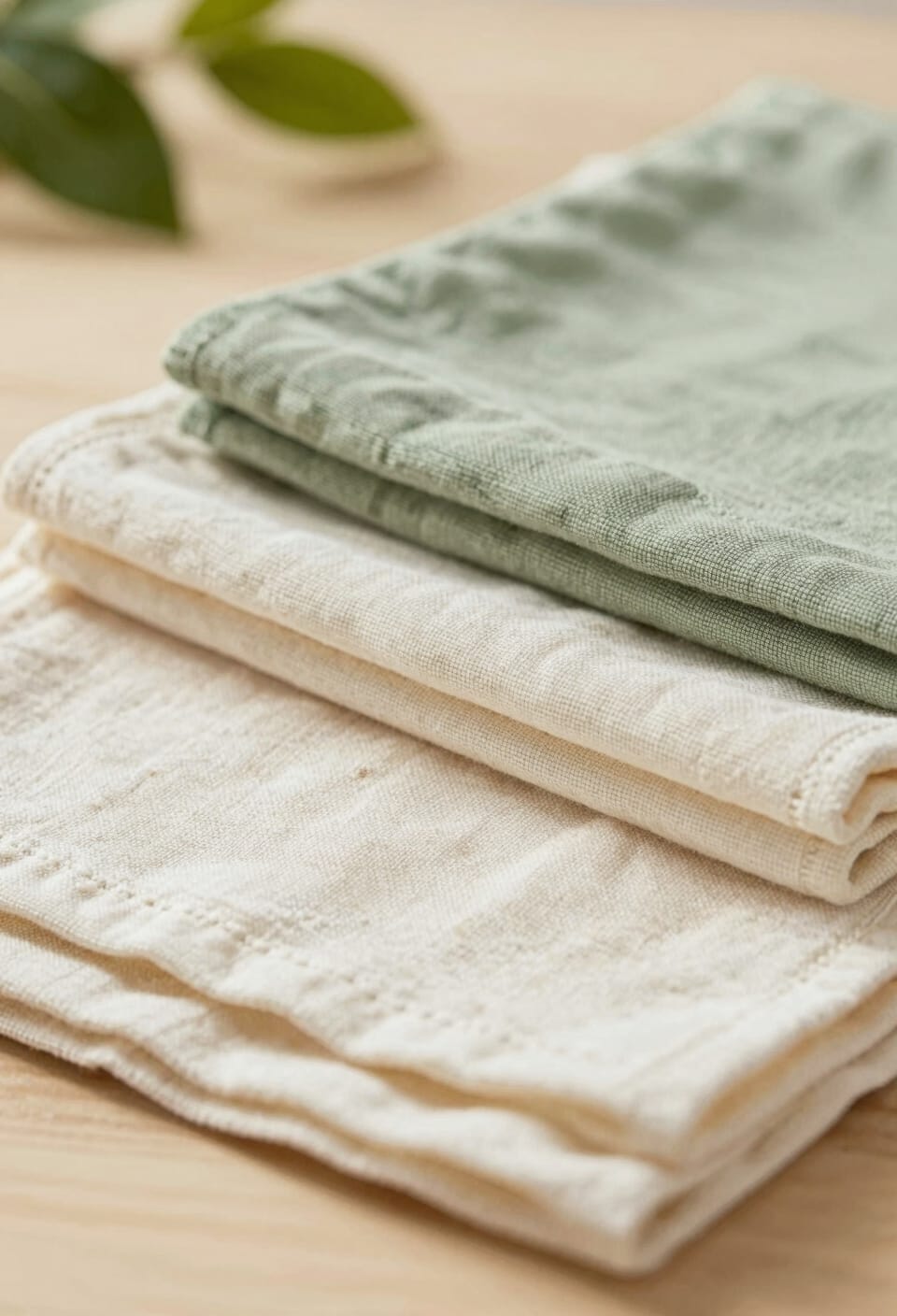
Switching to cloth alternatives in the kitchen can feel overwhelming at first, but it really doesn’t have to be. Think about how often you grab for paper towels—wouldn’t it be nice to cut that down? High-quality Swedish dishcloths are a fantastic option; they’re super absorbent and can actually help you ditch up to 200 paper towels a month.
Consider using cotton or linen cloths, too. These materials are not only durable, but they’re also machine washable, which makes them perfect for those daily messes that seem to just pop up everywhere. And let’s talk about cloth napkins. Incorporating them into your meals can elevate your dining experience and make it feel a little more special, while easily replacing those disposable napkins.
Want to keep it neat? Organizing a basket for your used cloths can really help simplify laundry day. Make sure to have plenty of cloth napkins and rags at the ready so you’re never caught without them.
Truth is, moving to cloth alternatives is a simple way to keep your kitchen eco-friendly and reduce waste. So, why not take a little step towards a greener kitchen? It can make a bigger impact than you might think! Many cloth products are machine washable and reusable, making them a sustainable choice that’s easy to maintain.
Recommended Products

SUPER ABSORBENT DESIGN: These Swedish dishcloths absorb up to 20 times their weight to handle spills with ease. Perfect for quickly tackling spills and splashes in your home or commercial kitchen.

SUPERIOR ABSORBENCY FOR EVERYDAY CLEANING – Made from premium cellulose material, these ultra-absorbent sponge cloths can absorb up to 10 times their own weight in liquid, making spills, messes, and kitchen cleanups faster and more efficient.

HOME OF THE REUSABLE PAPER TOWEL: 500,000+ people are loving that 1 sheet replaces 17 ROLLS of paper towels! Wet it, clean with it, then hang it to dry on the Papaya hook. Absorbs 20x its weight, 100% compostable, oh, and have you seen our lineup of beautiful designs?!
How Many Cloth Napkins and Rags Are Enough?
How Many Cloth Napkins and Rags Are Enough?
Are you tired of constantly buying paper napkins and towels, only to throw them away after one use? A simple switch to cloth napkins and cleaning rags can cut down on that waste significantly. You really only need about 20 to 30 of each to make this work seamlessly. This number lets you rotate through them without drowning in laundry every week.
Think about it—one cloth napkin can replace several paper towels during meals. That’s not just practical; it’s a smart move for the planet. Plus, using cloth makes you more aware of cleaning up after yourself, which can lead to tidier habits around the house.
Try this: when you’re picking out napkins, go for durable fabric like cotton or soft flannel. These materials wash well and can last for years. And to keep things organized, consider a basket for your used napkins. It helps keep your space neat and makes laundry day a breeze.
So, why doesn’t everyone do this? Frankly, it’s often just easier to stick with what we know. But making this small change can really lighten your impact on the environment. For an even more sustainable option, consider biodegradable bamboo napkins, which combine softness with eco-friendly disposal.
Recommended Products


10 dozen napkins measure 20 x 20 inches in sides

10 dozen napkins measure 20 x 20 inches in sides
Seamless Solutions for Storing Cloth Alternatives
Are you tired of rummaging through messy drawers just to grab a cloth napkin or rag? Keeping our cloth alternatives organized can seriously change how we use them. Try designating a specific basket or drawer for your clean cloth napkins and rags. It’ll make them so much easier to access and keep everything tidy.
You might even want to repurpose an old tissue box. It’s perfect for storing smaller fabric rags and helps keep your space looking neat. Another fun idea is to create a visual display for your new napkins. Put them in an attractive basket right on your kitchen counter. Not only does it look cute, but it also encourages you to reach for those cloth napkins instead of disposable ones.
Implementing a used napkin container near your cleaning area is another smart move. This simple addition can help you quickly toss in used fabric items, making it easier to remember to toss them in the laundry later. Plus, it promotes good hygiene by keeping dirty cloths in one place.
Categorizing your cloths by size and purpose is also a win. You won’t believe how much easier laundry becomes when you don’t have to sort through a jumbled mess!
Choosing cloths made from durable organic cotton not only benefits the environment but also ensures your cloth alternatives withstand frequent washing and daily use.
Recommended Products

WOVEN NAPKIN HOLDER Rustic neutral design goes well with most décor

Organic Cotton Beige Flour Sack Kitchen Towels - These beige flour sack kitchen towels are made with Certified Organic Cotton. You can safely use them for covering food, baking bread, as kitchen towels, for cleaning, and a variety of other purposes. These flour sack towels are perfectly hemmed on all four sides and made of high-quality cotton so you can wash and reuse them thousands of times without having to worry about wear and tear

HANDCRAFTED: Made from heavy-gauge, carbon structured steel with a BPA-free, food-safe powder coating for long-lasting beauty, even under rigorous use; features an oil-rubbed bronze finish for an antiqued feel.
How to Establish a Consistent Laundry Routine
Establishing a consistent laundry routine can really make managing your cloth alternatives a lot easier. Think about setting aside a specific day each week just for laundry. This helps you stay ahead of the game and prevent the overwhelming buildup that we all dread.
Have you ever tried a “one load-a-day” approach? It’s super handy! It keeps fresh cloths available without turning your week upside down. Plus, using a designated basket for collecting napkins and wipes really simplifies tracking what needs washing. You won’t believe how much easier laundry can get!
When you wash these items weekly with hot water and a reliable detergent, like Seventh Generation, you’ll maintain hygiene and absorbency. Honestly, who wants to deal with musty cloths? You can also think about color-coding cloths by task. This little tip can help streamline your laundry process and reduce how often you need to wash everything.
You’ll find that a little organization goes a long way! So, give these tips a shot, and see how a simple routine can lighten your laundry load. What are your favorite laundry hacks?
To complement your routine sustainably, consider using compostable and plant-based alternatives like biodegradable trash bags to minimize environmental impact.
Recommended Products

LINEN-LIKE TEXTURE: Impress guests with these linen-feel paper napkins that offer a soft, cloth-like touch, perfect for upscale dining experiences, weddings, banquets or restaurants.

Bulk Tea Towels - These white tea towels are made with Certified Organic Cotton. You can safely use them for your various kitchen needs including baking bread, covering food, as kitchen towel, for cleaning and a variety of other purposes. They are perfectly hemmed on all 4 sides and made of high quality cotton so you can wash and reuse them 1000s of time without having to worry about wear and tear.
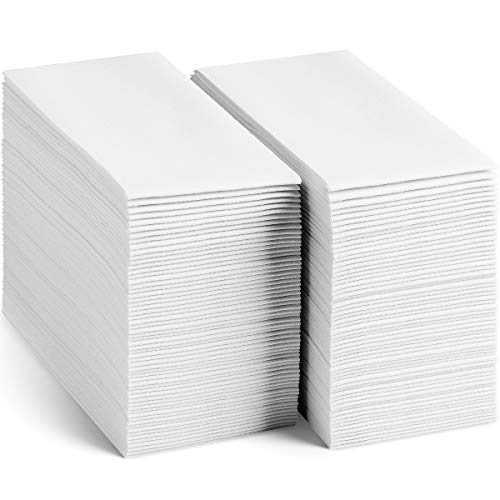
PREMIUM QUALITY ELEGANT HAND TOWELS: Enhance your hosting with this upscale premium quality disposable guest towels, that all your guests will love!
Tips for Keeping Your Reusable Cloths Clean
Are your reusable cloths smelling a bit funky after a few uses? Keeping these handy items clean is pretty simple, but it does take a little TLC. Right after you’re done using them, give them a quick rinse under hot water to help kick odors and bacteria to the curb.
Here’s the trick: store them damp in a designated laundry area until you’re ready to wash them. Once a week, toss them into the machine on a hot cycle with your regular detergent. It’s best to skip the fabric softeners, though — you want to keep that absorbency intact!
Also, think about designating specific cloths for cleaning and others for dining. This small step can make a big difference in avoiding cross-contamination. If you notice any stubborn smells popping up, don’t worry. A quick five-minute boil or a wash with white vinegar usually does the trick.
Truth is, reusable cloths can really cut down on paper towel use when you know how to care for them. Using biodegradable detergents in your wash can enhance cleaning while being gentler on the environment. So, give these tips a try and keep your cloths in great condition! What’s your favorite way to keep your cleaning supplies fresh?
Effective Techniques for Cleaning With Cloth Alternatives
Have you ever found yourself drowning in paper towels after a big mess? If so, you might want to give those reusable cloths a try. Swedish dishcloths are a fantastic choice—they absorb more liquid than traditional paper towels, making them perfect for everything from tackling minor spills to cleaning up bigger disasters.
To make your life easier, keep about 20 to 30 cloths around. This way, you can easily rotate through them without doing laundry every other day. When it comes to specialized tasks, don’t forget about cotton, linen, or soft flannel cloths; they can really help boost your cleaning efficiency.
Here’s the trick: after you use the cloths, toss them in a designated basket to keep your space organized. Make it a habit to wash them in hot water regularly. This not only keeps germs at bay but also helps them last longer—talk about sustainable living! Choosing cloths made from biodegradable materials can reduce overall waste and support eco-friendly cleaning habits.
Recommended Products
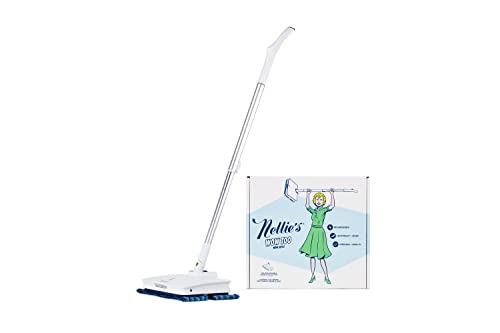
Cordless Rechargeable Power – Enjoy flexible cleaning with a built-in rechargeable battery that delivers long-lasting performance. Move freely from room to room without being tied to an outlet.

4 pack Skoy Cloth, 2 pack Skoy Scrub, Red Skoy Towel and Skoy Sink Holder

100% Cotton: Made from premium cotton, bringing you a soft touch and won't scratch your delicate cookware, plates, and pans
Navigating Common Transition Challenges
Switching from paper towels to cloth options can seem daunting at first, especially when you have to change your laundry routine. But there are simple ways to make this transition easier. For starters, consider doing just one load of laundry each day. You can set up a basket in your kitchen to collect the used cloths. This keeps things tidy and makes sure you’re always prepared for any spills on the countertop.
Keeping a stash of 20 to 30 cotton or flannel napkins on hand can really simplify your life. It allows you to rotate them easily without getting overwhelmed by a big laundry pile. Honestly, once you stop buying that roll of paper towels, you’ll notice the extra laundry isn’t as much of a hassle as it seems at first. Plus, using absorbent fabrics makes clean-ups quick and effective.
So, why does this matter? It’s not just about saving money; it’s about making a positive change for the environment. You’re choosing a reusable alternative that cuts down on waste. The best part? You’ll likely find it’s one less item on your grocery list each week. Additionally, many cotton products are machine washable, making maintenance simple and contributing to their long-lasting usability.
How to Engage Your Family in a No Paper Towel Lifestyle?
Making the switch to a no paper towel lifestyle can feel like a tall order for families, but it’s easier than you might think! The first step? Get everyone involved in crafting cloth alternatives. Cutting up old fabric into napkins or wipes lets everyone add their personal touch, making it a fun family project. Plus, you’ll have a handy stash of cloths ready to go when spills happen.
Setting up a smart storage system for these cloths is key. If they’re out in the open where everyone can see them, grabbing one when needed becomes second nature. Have you thought about the benefits of ditching paper towels? For instance, just one Swedish dishcloth can take the place of around 200 paper towels! That’s money saved and a better impact on our environment—two reasons to get excited about this change.
To smooth out the transition, consider assigning specific laundry tasks to each family member. It makes things more organized and gives everyone a role in this journey. Who knows? You might even end up with a little friendly competition to see who can keep the most cloths clean. Many reusable cloths and bags are machine washable for easy cleaning, making maintenance simple and convenient for busy households.
Frequently Asked Questions
What Is the Best Substitute for Paper Towels?
When it comes to shifting our cleaning habits, we’ve found that eco-friendly alternatives like Swedish dishcloths and reusable cotton wipes not only absorb mess efficiently but also embrace sustainability, helping us reduce waste beautifully.
What Do Europeans Use Instead of Paper Towels?
Europeans often use eco-friendly alternatives like cloth napkins, Swedish dishcloths, and old cotton rags instead of paper towels. These options not only reduce waste but also help us save money while keeping our homes clean.
What Does Putting a Roll of Paper Towels in Your Refrigerator Do?
When we place a roll of paper towels in the refrigerator, we’re fighting moisture and odors, enhancing refrigerator freshness. It’s like a mini-sponge, keeping our food crisp and our fridge smelling pleasant.
How to Reroll Paper Towels?
To reroll paper towels, we can unroll used sheets, flatten them, and stack them neatly. Let’s tape any tears and secure the bundle. It’s a simple step towards eco-friendly options while reducing waste.