As an Amazon Associate, we earn from qualifying purchases. Some links on this site are affiliate links at no extra cost to you. Our recommendations are based on thorough research and editorial judgment.


Plastic-Free Bathroom Basics: The First 5 Changes That Matter

Making our bathrooms plastic-free isn’t as hard as it may sound. Have you ever thought about how many plastic items we use every day? It adds up quickly!
One simple change you can make is swapping out your plastic toothbrush for a bamboo one. Brands like Brush with Bamboo have some great options that are not only eco-friendly but also look pretty stylish.
Another area to tackle is grooming. Consider switching from disposable razors to reusable ones. It’s a small shift, but it can save a lot of plastic from going to waste.
And while you’re at it, why not rethink your oral care routine? Brands like Bite offer toothpaste bits that come in packaging that doesn’t contribute to the plastic problem.
When it comes to menstrual products, there are some solid alternatives out there. Have you tried the Lena Cup or organic cotton pads? They’re better for the environment and can even save you money in the long run.
So, why do these changes matter? By making these choices, you can significantly reduce your impact on the environment.
And trust me, every little bit counts. Thinking about more small swaps? You’ve got this!
It’s all about making simple, sustainable choices that fit your lifestyle. What’s the next change you want to make?
Key Takeaways
- Switch to a bamboo toothbrush to reduce plastic waste while enjoying a biodegradable and renewable option.
- Use shampoo and conditioner bars to eliminate plastic bottles and enjoy longer-lasting hair care products.
- Opt for organic cotton pads or a menstrual cup to minimize plastic use and promote better skin health.
- Replace disposable wipes with reusable cloths or bamboo wipes for an eco-friendly and sustainable bathroom routine.
- Consider a bidet to reduce toilet paper consumption, enhancing hygiene and environmental responsibility.
The Environmental Impact of Plastic Use in Bathrooms
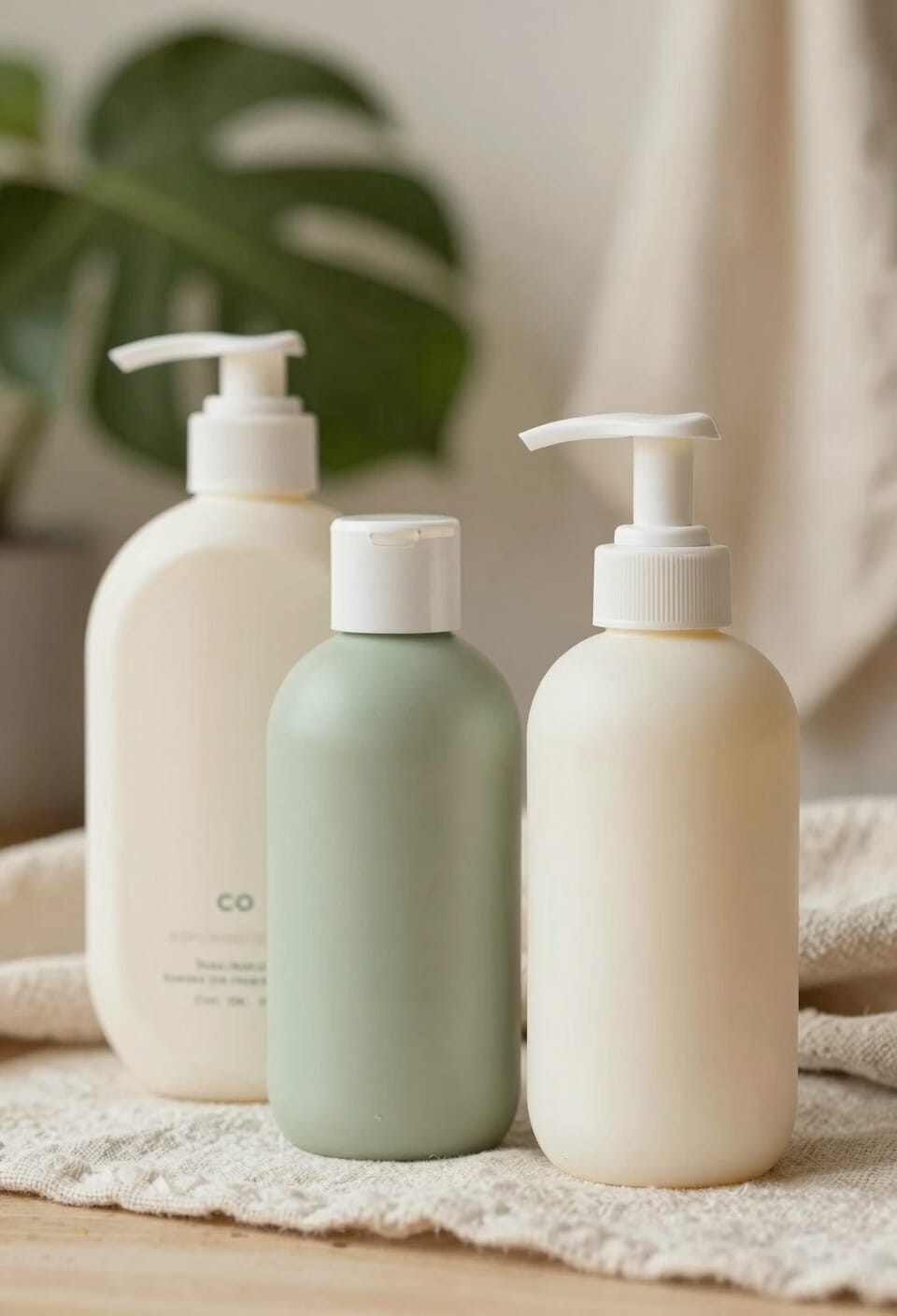
Have you ever paused to think about the plastic piling up in your bathroom? It’s a bit shocking, honestly. Around 50 million pounds of plastic toothbrushes end up in U.S. landfills every year. And it’s not just toothbrushes. Every year, about 15 billion tampons and pads contribute to plastic pollution when they’re thrown away. Don’t forget those single-use razors either—nearly 2 billion of them are tossed out annually.
So, why does this matter? Well, all those liquid personal care products come in non-recyclable plastic bottles, making up about 90% of bathroom waste that doesn’t get recycled at all. If we want to make a change, it’s time to think about going plastic-free in our bathrooms.
Here’s the trick: swapping out plastic products for more sustainable options is easier than you might think. Try this:
- Use bamboo toothbrushes instead of plastic ones.
- Consider reusable sanitary products like menstrual cups or cloth pads.
- Opt for metal razors; they last longer and create far less waste.
Bamboo toothbrushes, especially those with charcoal-infused bristles, offer natural antibacterial benefits and a biodegradable alternative to plastic.
The best part is that these small changes can add up over time to make a significant difference in reducing your environmental impact. Every little bit counts, right?
To wrap it up, switching to plastic-free options in your bathroom can really help cut down on waste. So, what sustainable choice will you make today?
Swapping Out Disposable Products for Sustainable Toileting

Have you ever stopped to think about how much toilet paper we use each year? It’s mind-boggling when you realize the impact it has on our environment. Making the switch from disposable products to sustainable alternatives can feel like a step in the right direction, both for our health and the planet.
Instead of regular toilet paper, why not try out recycled or bamboo options? These choices actually help reduce deforestation and save water, which is pretty cool. And if you haven’t considered a bidet, now’s the time! It can really cut down how much toilet paper you need, giving you a cleaner and more hygienic experience.
When it comes to feminine hygiene, there are some great options that don’t harm the environment, like organic cotton products or compostable menstrual cups. They can reduce plastic waste significantly compared to regular pads and tampons. Another tip? Swap disposable wipes for reusable cloths or bamboo wipes. Think about the difference this could make in landfills!
Additionally, choosing certified organic cotton products ensures the use of biodegradable materials grown without harmful pesticides. So, why does this matter? Embracing sustainable toileting practices isn’t just about reducing our environmental footprint; it’s also a chance to build healthier habits for your family. Truth is, simple changes can lead to a much bigger impact in the long run.
Ditching Plastic Bottles in Your Shower

Have you ever thought about just how much plastic ends up in our showers? If you’re ready to make a simple change that benefits both your bathroom routine and the planet, swapping out those plastic bottles for shampoo and conditioner bars could be the way to go.
These solid bars cut down on plastic waste significantly, helping to eliminate billions of plastic containers that end up in landfills. Brands like Lush and Bkind have some fantastic options that are not just effective; they’re eco-friendly too. Honestly, you might even find that these bars last three times longer than the typical liquid products. Who couldn’t use a little more value for their money?
Plus, many of these bars are wrapped in compostable materials, aligning perfectly with a zero waste lifestyle. Imagine supporting sustainability while also keeping your hair looking great! So, why does this matter? By choosing solid soap bars, you’re not only reducing plastic pollution, but you’re also steering clear of harmful chemicals that are often found in liquid products.
Many shampoo bars also contain hydrating ingredients like hyaluronic acid and argan oil, which help nourish dry hair while cleansing.
Next time you’re in need of hair care, consider making the switch. It’s a small change that can have a big impact! And after all, every little bit counts when it comes to nurturing our environment.
If you haven’t tried shampoo bars yet, why not give it a shot? You might be pleasantly surprised by how much you’ll enjoy them while playing your part in promoting a more sustainable lifestyle.
Eco-Friendly Alternatives for Oral Care
Oral care is one of those things that often gets lost in the push for a plastic-free bathroom. But it really deserves some attention. Have you thought about how many plastic toothbrushes end up in landfills every year? Switching to a bamboo toothbrush could help—it’s biodegradable and made from renewable resources.
When it comes to toothpaste, consider making a change too. Instead of those traditional tubes, try out toothpaste bits or powders. They come in eco-friendly packaging and often contain fewer harmful chemicals, which is a win for both you and the planet. And for flossing, there’s compostable dental floss that you can store in refillable glass containers. That means less waste and a cleaner smile!
Using mouthwash? Here’s the trick: switch to mouthwash tablets. They’re a fantastic plastic-free alternative to liquid mouthwash, and their recyclable packaging means you’re doing your part for the environment. The best part is that many of these eco-friendly options are also free from harsh chemicals, making your oral care routine healthier for you and kinder to the Earth. Many compostable dental floss options are made from plant-based fibers, ensuring they break down naturally and reduce plastic pollution.
Making the Switch to Reusable Menstrual Products
Have you ever thought about the amount of waste we create each month just from our menstrual products? It’s shocking when you realize that traditional options like tampons and pads can contain up to 90% plastic. This not only fills up our landfills but also adds to our plastic pollution problem. If you’re looking for a way to make a positive change, switching to reusable menstrual products could be the answer.
Try this: consider alternatives like the Lena Cup or organic cotton pads. These options can last for years and save you between $300 to $600 over your lifetime. Plus, using organic cotton pads can feel so much better against your skin, and they expose you to fewer harsh chemicals that are often found in disposable products. It’s a win-win for both your wallet and your health.
So, why does this matter? Reusable menstrual products help minimize our environmental impact while also allowing us to take better care of ourselves. It’s comforting to know that by making the switch, you’re contributing to a healthier planet. Another great change to consider is switching to plastic-free deodorants which similarly reduce waste and promote healthier skin.
Honestly, taking this step together toward a more sustainable lifestyle could make a real difference for all of us. Ready to give it a try?
Frequently Asked Questions
What Are 5 Ways to Reduce Plastic?
Together, we can turn the tide on plastic pollution! By making bathroom swaps for sustainable alternatives like bamboo toothbrushes, zero waste shampoo bars, and DIY solutions, we’re reducing consumption and embracing eco-friendly products that protect our planet.
What Are the 5 Ways in Which Plastics Are Useful?
Plastics offer durability in medical uses, fuel efficiency in transportation, safety in electronics, extended shelf life in packaging, and moisture resistance in construction. However, we must consider sustainable alternatives and face plastic recycling challenges for eco-friendly innovations.
How Has Plastic Changed Over Time?
Over time, plastics evolved from Bakelite to polyethylene, with 368 million tons now produced annually. We face environmental impacts, pushing us toward recycling processes, biobased alternatives, and innovative solutions for a sustainable future together.
What Are 10 Items We Use Plastic For?
We often use plastic for shampoo bottles, toothbrush handles, razor cartridges, shower curtains, facial wipes, body wash containers, and many other daily items, contributing to significant waste. Let’s rethink our choices together for a cleaner future.


