As an Amazon Associate, we earn from qualifying purchases. Some links on this site are affiliate links at no extra cost to you. Our recommendations are based on thorough research and editorial judgment.


Zero Waste for Families: Lunches, Snacks, and School Routines

Switching to zero waste lunches can feel like a challenge, but it’s worth it! Many families find they can save around $250 a year just by using reusable containers like stainless steel or glass bento boxes. Seriously, that’s extra cash you can use for something fun.
Involving kids in packing lunches can add a sense of excitement and make it a fun family activity. You might even spark their interest in sustainability along the way.
Have you ever thought about getting creative with lunches? Try making DIY Lunchables or quinoa salad bowls. These options not only cut down on waste but they also promote healthier eating habits.
Think about it—your kids get to help choose what goes in, and they’ll be more excited to eat it!
The best part is that you don’t have to be rigid with your lunch plans. Stay flexible and plan ahead, and you’ll find a variety of waste-free lunches that your family will enjoy. So, why not give it a shot?
In the end, transitioning to zero waste lunches can be simple and rewarding.
Have you tried any eco-friendly lunch ideas yet? Let’s keep exploring together!
Key Takeaways
- Involve kids in selecting and packing lunches to enhance excitement and ownership of their sustainable eating habits.
- Utilize reusable containers, utensils, and cloth napkins to minimize waste and encourage eco-friendly practices during school routines.
- Plan themed lunches or DIY snacks to increase variety, nutrient intake, and creative meal options that appeal to children’s tastes.
- Implement a rotating schedule of zero waste days to gradually develop sustainable habits without overwhelming families.
- Discuss food origins and engage in recycling or composting activities to deepen children’s understanding of environmental impact and sustainability.
Why Zero Waste Lunches Matter for Families
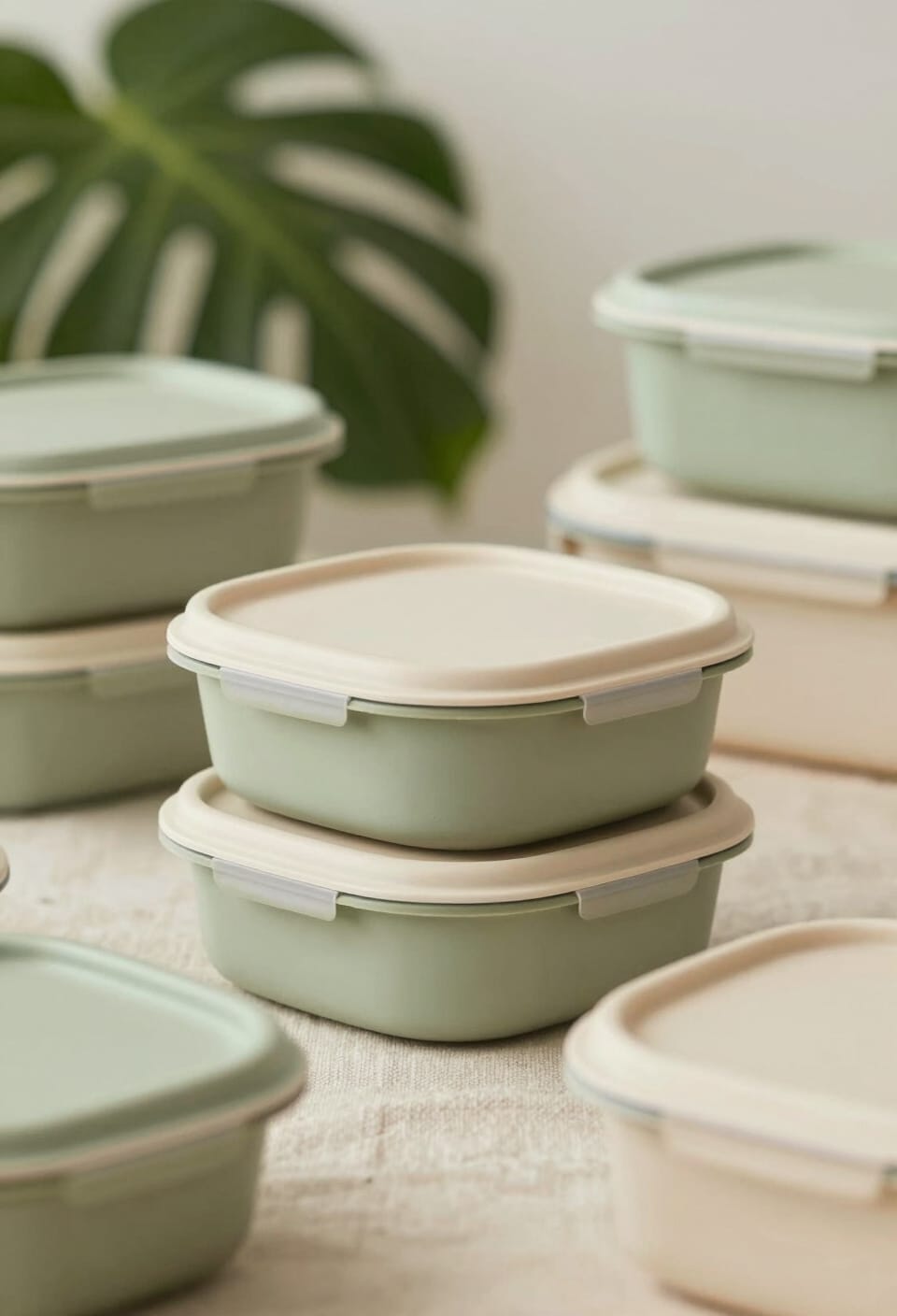
When packing your child’s lunch, have you ever thought about the waste that gets left behind? It’s surprising, but on average, each kid brings home about 67 pounds of waste each year—all from stuff like plastic wrappers and baggies. By making the switch to zero waste lunches, you could not only cut down on this waste, but also save close to $250 per person every year.
So, what can you do about it? Here are a few quick changes to consider:
- Use reusable containers instead of plastic baggies.
- Invest in a good thermos for soups and hot meals.
- Try cloth napkins instead of paper ones.
These simple swaps can make a real difference. Not only do they help keep our planet healthier, but they also encourage your kids to think about the choices they make every day. It’s a great way to teach them about taking care of the environment.
Honestly, when kids see their parents taking small steps like this, it drives home the message that they too can make a difference. And the best part is that these zero waste lunches often lead to healthier eating. It’s a win-win: you get to save money while instilling important values in your kids.
So, why does this matter? By starting young, you’re cultivating habits that stick for life. Every little change counts, and together, we can create a big impact.
In the end, making zero waste lunches a family habit can lead to more mindful consumption. Isn’t it time to rethink what we pack for lunch? Consider switching to stand-up silicone bags as a reusable, eco-friendly alternative to single-use plastic bags that also keep food fresh longer.
Recommended Products


【Truly Cordless: Heat Anywhere, Anytime】Enjoy hot meals without an outlet. The built-in rechargeable battery powers this lunch box anywhere—job site, office, or outdoors. The battery level display keeps you informed, so you're never caught off guard.
Key Items for a Zero Waste Meal Kit

Are you tired of seeing waste pile up during lunchtime? Building a zero waste meal kit can truly help cut down on that clutter while making our meals more sustainable. It starts with some simple swaps that can have a big impact.
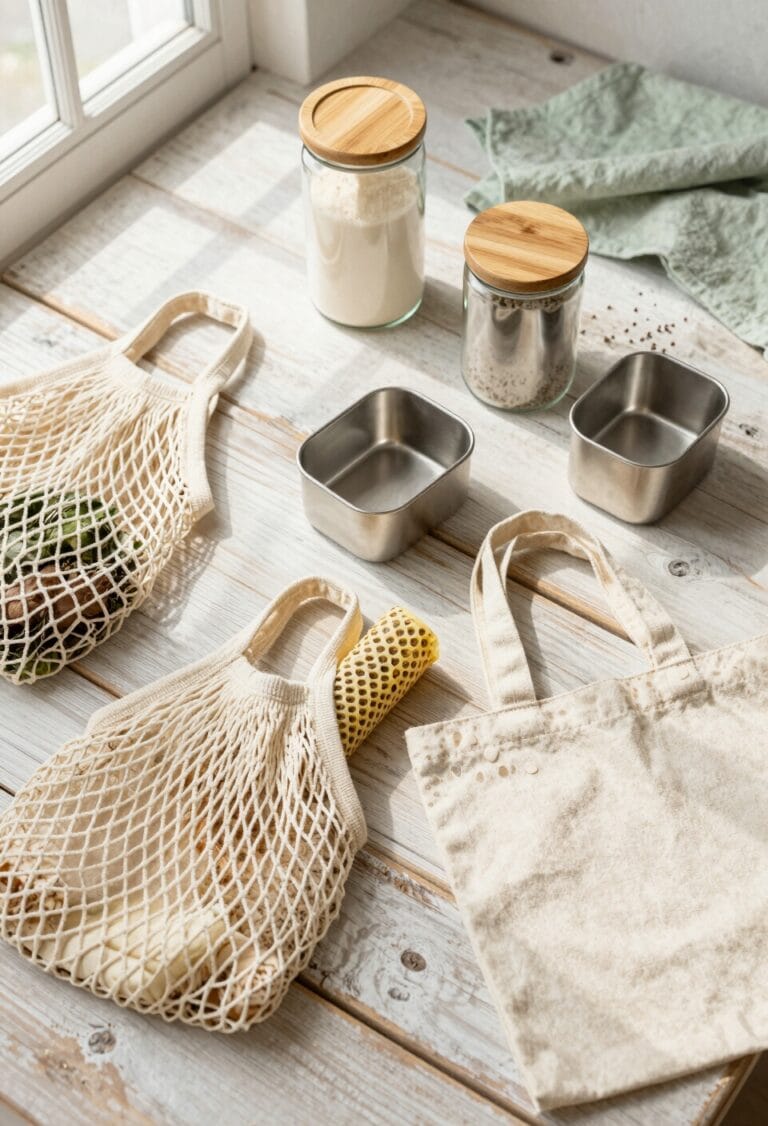
First off, think about investing in reusable containers. Rather than reaching for single-use plastic bags, grab some durable bento boxes made of glass or stainless steel. Not only do they keep your food fresh, but they’re also a breeze to clean. Another handy addition to your kit is reusable snack bags or silicone pouches. They’re perfect for keeping snacks fresh without the guilt of traditional plastic baggies.
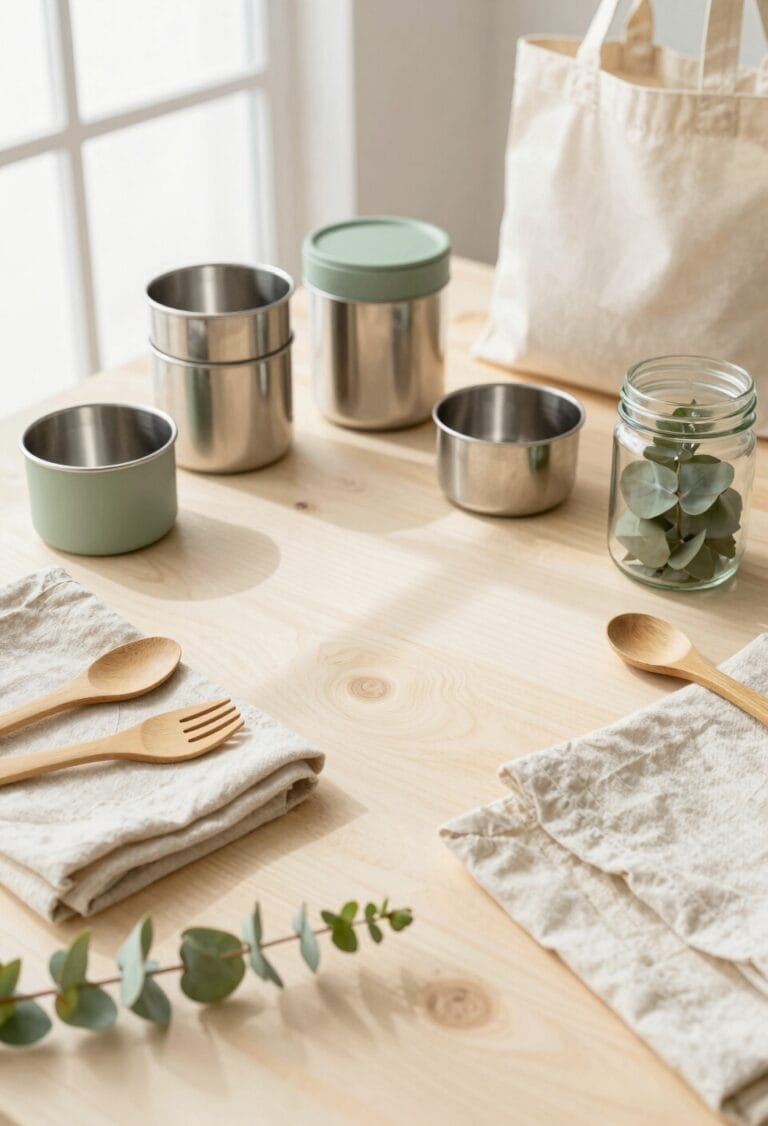
You might also want to consider packing cloth napkins. It’s a small change that can promote eco-friendly habits over time. And, let’s not forget the importance of reusable utensils—these can be a lifesaver when it comes to cutting down on waste during lunch packing.
Having a well-equipped meal kit might feel like a big investment up front. But the truth is, it can actually save you about $250 a year per person. Isn’t that worth it? Choosing containers with leak-proof and airtight design ensures your meals stay fresh and mess-free throughout the day.
Recommended Products

Quality Stainless Steel Material: crafted with stainless steel material, the metal bento box is built to last; It provides nice strength, ensuring long lasting use even with frequent use; With its robust build, you'll never have to worry about dents or warping, providing you with a reliable and safe food storage; Note: this metal bento box can not be heated in a microwave oven

Size (approx.): 8.3 x 2.4 x 3.7 inches (21 x 6 x 9.5 cm); Weight: Approx. 14.1 oz (400

Convenient push-to-drink system
Teaching Kids Sustainability Through Their Lunches

Ever wonder how much lunch waste your kid might be generating? On average, it’s around 67 pounds each year! That’s a lot of trash just from one little lunchbox. Teaching kids about sustainability through their meals not only reduces this waste but also sets them up for a lifetime of environmentally-conscious choices.
One easy way to start is by involving your kids in the lunch-packing process. Let them pick out reusable containers like stainless steel or glass. It’s a fun way for them to learn while being part of the solution. Plus, they might just get a kick out of using brightly colored boxes instead of boring plastic bags.
Talk to them about where their food comes from. The more they understand about the origins of their meals, the better they’ll appreciate their food and the planet. Why does this matter? Because when kids make informed decisions about what they eat, they’re also thinking about the impact those choices have on our world.
Incorporating lessons on recycling and composting can be easy, too. Here’s the trick: turn it into a daily habit instead of a chore. Make a game of it! For example, you can sort recyclables together and show them how composting works. When kids see their involvement makes a difference, it sticks with them.
When you let them help with meal planning and prep, you’re opening up a whole new world of creativity. Kids love being hands-on, and they might surprise you with some unique ideas! Not only does it encourage them to eat healthier, but it also helps you save money and reduce food waste.
Using products with biodegradable ingredients in your household can further support the environmental lessons you teach your kids.
Truth is, these small steps can lead to big changes down the line. So why not take a little time today to start teaching your children about sustainability through their lunches? It’s a wonderful way to bond and create responsible future citizens. What’s one small change you can make tomorrow to start this journey?
Recommended Products

The information below is per-pack only

HOT OR COLD - Our heating container reliably keeps food warm or cold, whether it's cereal, salad, soups or porridge. The perfect companion in the city and in nature.
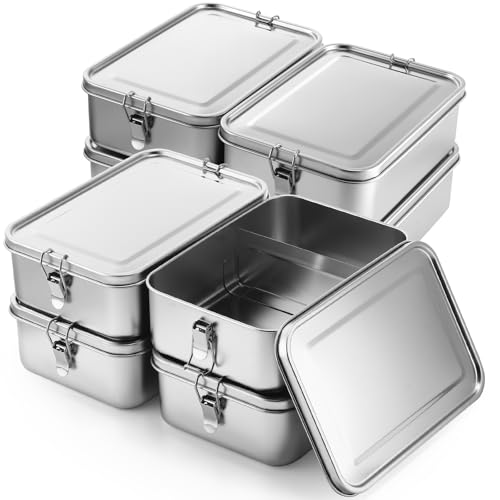
Quality Stainless Steel Material: crafted with stainless steel material, the metal bento box is built to last; It provides nice strength, ensuring long lasting use even with frequent use; With its robust build, you'll never have to worry about dents or warping, providing you with a reliable and safe food storage solution; Note: this metal bento box can not be heated in a microwave oven
Creative Zero Waste Lunch Ideas Kids Will Love
Packing lunches can feel like a chore, especially when you want to avoid single-use plastics and pre-packaged snacks. But making lunches doesn’t have to be a hassle. With just a few simple ideas, you can create fun and healthy meals that your kids will actually want to eat!
Try this: DIY Lunchables. Grab some whole grain crackers, cheese slices, and colorful veggies for the ultimate build-your-own lunch. Kids love putting their meals together—it turns lunchtime into a little adventure! Honestly, what’s better than seeing their eyes light up as they mix and match their favorites?
Another option is super smoothie lunches. Pop some fruits, spinach, and yogurt into a reusable jar for a quick and nutritious treat. These smoothies are not only tasty, but they’re also filling and easy to sip while on the go. You can even freeze them the night before, and they’ll be perfectly thawed by lunchtime.
Here’s the trick: sandwich sushi rolls. Use whole wheat tortillas, turkey, and a medley of veggies, then roll them up and slice them into bite-sized pieces. They look fun and are super easy to eat, making them perfect for even the pickiest eaters. Plus, doesn’t it sound exciting to think of food in a new way?
You can also prep quinoa salad power bowls in stainless steel lunch containers. It’s a great way to pack in a wholesome meal that feels hearty without the waste of packaging. Think about mixing in some beans, chopped veggies, and maybe a little feta for extra flavor. These bowls can be made ahead of time, so you’ll save time while making sure your kids get a nutritious meal.
Themed lunches can also be a hit. A “Rainbow Lunch,” for instance, encourages kids to eat a variety of fruits and veggies, turning lunchtime into a colorful feast. The best part is, not only are they enjoying their food, but they’re also getting the nutrients their growing bodies need.
To keep meals fresh and reduce waste further, consider using canvas lunch totes as an eco-friendly and durable option for transporting lunches.
In the end, let’s ditch the idea that packing lunches has to mean so much waste. You have the power to make small changes that add up to big differences! So, what creative lunch ideas will you try this week?
Recommended Products

Product Details - Pack of 20 large round Meenakari stainless steel sweet box set, each with 1 Kg capacity, 7.5 inch diameter with lid, ideal as decorative container for treats, muffins, brownies & many more.

Save more, waste less: Meat preserved with the foodsaver system in the freezer can last up to 3 years and still taste fresh, flavorful, and freezer-burn free. Prep-ahead meals, leftovers, and produce stored in the fridge will stay fresh up to weeks later instead of spoiling in days

Versatile Set: This set includes 3 stainless steel containers in various sizes for all your food storage needs.
Tips for Overcoming Challenges in Zero Waste Lunch Prep
Have you ever found yourself staring at a lunch box, wondering how to keep it waste-free while making sure your kids actually eat what’s inside? It can definitely be a challenge! One way to tackle this is by getting your kids involved in meal planning over the weekend. When they help choose the meals, they’re more likely to eat what they pack for school. It also gives them a chance to be creative and try new things.
Here’s a neat trick: mix favorite foods with new options. It keeps lunchtime interesting, and you might just discover that they surprise you with their tastes. Using steel containers not only keeps food safe but also helps reduce waste, especially when paired with insulated bags or ice packs.
Now, let’s talk about snacks. Why not swap out those plastic baggies for reusable snack bags? It’s a simple switch that can make a big difference. Plus, they’re usually cute and fun, so your kids might appreciate that!
And here’s something I’ve seen work well: consider implementing a rotating schedule for waste-free days. This way, you can gradually ease into these sustainable habits without feeling overwhelmed. It allows you to adjust strategies as you go, paving the way for long-term success.
Reusable silicone snack bags are especially great since they are leak-proof and versatile, making snack time both convenient and eco-friendly.
Recommended Products

Innovative Design: Features 50 x HEAVY DUTY 5-mil Thickness, Upright, Stand-up & Fill Expandable Bottom for Easy Filling; Perfect for Meal Prep, Marinating, and Pantry Organization. Each Bag Measures 8.5" x 10",

STASHER COMPLETE STARTER KIT COLLECTION: This variety pack is excellent for gifting or for starting your own plastic-free journey. The Stasher Reusable 10-Pack Starter Kit includes: 1 Sandwich Bag, 1 Snack Bag, 1 Stand-Up Mid Bag, 1 Pocket Bag, a 1 Cup Bowl, a 2 Cup Bowl, and 4 Stretch Lids (9”, 6.5”, 4.5” and 2.5” lids).

50 x REUSABLE 2-GALLON STORAGE BAGS – XXL Washable Reusable Food Storage Bags, Reusable Storage Bags, 3 mil Thick / 256 fl oz (7.6 L), Clear FLAT 12” x 16” 2-Gallon Freezer Bags, TRIPLE ZIP Closure, Airtight Seal, Leakproof Closure, Food Grade, BPA FREE, NO PEVA, PHTHALATE FREE, Non-Toxic, No Latex,
Frequently Asked Questions
What Are Some Easy Zero Waste Snack Ideas for Kids?
We love making nut-free snacks like fruit leathers, homemade granola, and energy balls. Veggie sticks, yogurt cups, apple slices, rice cakes, trail mix, and popcorn bars keep our kids happy and healthy!
How Can We Involve Kids in Meal Prep?
Many hands make light work! We can involve kids in meal prep by sharing fun tasks, like ingredient sourcing, testing kid-friendly recipes, practicing cooking skills, and organizing the kitchen—creating delightful meals while bonding as a family.
What Are the Best Reusable Containers for Lunches?
We love using bento boxes, stainless steel containers, and silicone bags for lunches. Glass jars, compostable options, reusable wraps, and insulated thermoses also work well, along with snack pockets and collapsible cups as eco-friendly choices.
How Do We Handle Food Waste at School?
We tackle food waste at school by implementing composting practices, promoting nutrition education, engaging in recycling initiatives, supporting school gardens, encouraging portion control, and organizing food rescue efforts, all with strong parent involvement and insightful waste audits.
Can Zero Waste Lunches Save Money?
Absolutely, zero waste lunches can save money! By meal prepping, bulk buying, and making budget-friendly choices, we not only embrace eco-friendly meals but also reap financial benefits that contribute to our family’s sustainable habits.