As an Amazon Associate, we earn from qualifying purchases. Some links on this site are affiliate links at no extra cost to you. Our recommendations are based on thorough research and editorial judgment.


PFAS, BPA, and Phthalates: A Plain-Language Guide

Have you ever thought about what’s lurking in your kitchen and bathroom? PFAS, BPA, and phthalates are common chemicals found in everyday stuff like non-stick pans, food wrap, and even your favorite lotions. These chemicals can be harmful to your health, so it’s worth taking a closer look at what you’re using around the house.
To make your home safer, consider swapping out some items for healthier options. Try using glass containers instead of plastic ones. They don’t leach harmful substances and are better for the environment.
Also, when it comes to cleaning supplies, check for eco-friendly products. Supporting brands that focus on non-toxic materials is another great way to limit your exposure.
Thinking about all these changes can feel a bit daunting. So, why does this matter? The truth is, every small step adds up and can make a difference in your health and the planet’s well-being.
Explore options that suit your lifestyle and don’t hesitate to ask questions about the products you’re using.
Making your home healthier doesn’t have to happen overnight. Just take it one room or one product at a time. Remember, it’s perfectly okay to be cautious about what you bring into your space.
What steps will you take today for a safer home?
Key Takeaways
- PFAS, BPA, and phthalates are harmful chemicals found in everyday products, known to disrupt health and the environment.
- PFAS are “forever chemicals,” persistent in the environment and linked to serious health issues like cancer and immune system impacts.
- BPA is commonly found in hard plastics and can leach into food, potentially causing developmental issues and heart disease.
- Phthalates are used in soft plastics and personal care items, associated with reproductive problems and developmental delays in children.
- Reducing exposure includes using non-toxic cookware, choosing BPA-free products, and opting for natural cleaning supplies and fresh foods.
Essential Facts About PFAS, BPA, and Phthalates
Have you ever stopped to think about the chemicals lurking in your everyday products? PFAS, BPA, and phthalates are more common than we realize, and they’re definitely worth considering when we think about our health.
So, what are these chemicals all about? PFAS, often called “forever chemicals,” stick around in our environment and our bodies. This raises some big concerns—like potential links to cancer and issues with hormonal balance. BPA is another culprit, often found in hard plastics such as water bottles. It can leach into our food and drinks, which might harm brain development and even lead to metabolic disorders. As for phthalates, they’re frequently in soft plastics and personal care items. They can disrupt hormones and potentially impact reproductive health and behavior in kids.
To help you cut back on these chemicals, here are some simple steps you can take:
- Choose non-toxic cookware.
- Steer clear of processed foods whenever possible.
- Look for products labeled as BPA- and phthalate-free.
For instance, choosing items made from borosilicate glass can reduce exposure to harmful chemicals in cookware and containers.
The best part is, these small changes can foster a healthier environment for both you and your family.
Honestly, reducing your exposure doesn’t have to be overwhelming. Just take it one step at a time. What changes are you thinking about making today?
Common Sources of PFAS, BPA, and Phthalates in Everyday Life

Ever thought about what’s really in the stuff you use every day? You might be surprised to learn that many common products are loaded with PFAS, BPA, and phthalates. For instance, PFAS often hides in non-stick cookware and stain-resistant fabrics. These items get a lot of hype for their convenience, but that comes with a catch.
BPA is another sneaky chemical. It’s found in hard plastics, lining of food cans, and even in those thermal receipts we get at checkout. Over time, it can leach into your food, and that’s a little unsettling, don’t you think? Then there are phthalates, typically found in soft plastics like those vinyl floors and various lotions. They have a tendency to migrate into our food especially when heated. It’s worth noting that processed foods, particularly the ones high in fat and dairy, often contain higher levels of phthalates because of their packaging.
Let’s not forget about household dust, which can collect these chemicals as well. It’s surprising to realize that everyday dust isn’t just a nuisance; it can be another source of exposure we rarely even think about. So, why does this matter? Awareness is key, and knowing where these chemicals show up can help you make more informed choices.
If you’re looking for ways to cut down on exposure, here are a few tips:
- Choose glass or stainless steel containers over plastics when storing food.
- Opt for natural fiber fabrics instead of stain-resistant treated ones.
- Limit processed foods and make more meals from scratch.
The best part is, small changes can lead to a healthier lifestyle. Keeping an eye on your daily items may seem trivial, but it can make a difference. Have you thought about what simple swaps you could make today? Using BPA and PFOA-free options for everyday items like trash bags is one way to reduce chemical exposure.
Recommended Products

COMPLETE 26-PIECE SET: Includes 10 glass containers with lids, 2 stainless steel scoops, 2 ¼ measuring cups, 2 modular storage bases, and 2 magnetic organizers, creating an all-in-one food storage system for a streamlined, clutter-free pantry.

Add some retro, vintage style to your home or kitchen counter / countertop
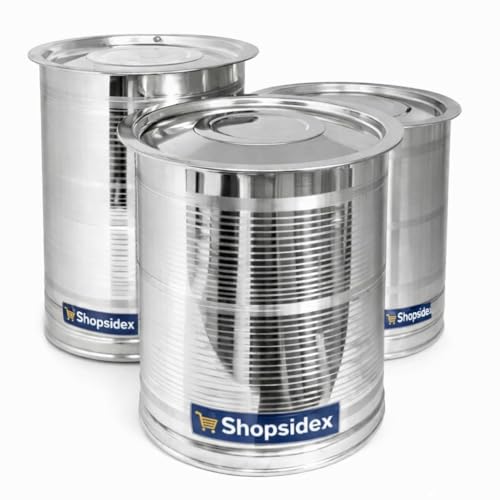
Its made of 100% Food Grade Stainless Steel .
How These Chemicals Impact Your Health

So, how much do you really know about the chemicals lurking in everyday products? It’s pretty concerning when you realize that some of them can stick around in your body longer than you’d like. Take PFAS, for instance. These “forever chemicals” have been linked to all sorts of health problems, including disrupted immune systems and hormonal balance, not to mention an increased risk of cancer.
Then there’s BPA, a common culprit found in plastics, especially in food containers and water bottles. This stuff can mess with brain and prostate development in kids and raise the risk of heart disease as we get older. Are we really okay with that?
And let’s not overlook phthalates, which are often hiding in personal care products and kids’ toys. These can lead to reproductive issues and developmental problems in little ones, which is definitely something to think about.
Long-term exposure to these chemicals hasn’t been linked to just one or two health issues; rather, it’s associated with chronic problems like obesity, asthma, and allergies. So what can you do?
Try this: be more mindful about the products you choose. Look for items labeled “free from” these chemicals, or reach for more natural alternatives. The best part is, taking small steps can truly make a difference for your health and the environment. Using safer products like dishwasher-safe silicone bags can reduce your exposure to harmful chemicals and help protect both your family and the planet.
In the end, it comes down to making informed choices. What changes can you start making today?
Health Symptoms and Long-Term Risks of PFAS, BPA, and Phthalates Exposure
Do you ever wonder what’s really in the products you’re using every day? Understanding the health symptoms and long-term risks associated with PFAS, BPA, and phthalates is crucial for making better choices. Research shows that bisphenol A exposure, especially during pregnancy, can lead to behavioral changes and developmental delays in children. So, why does this matter? It’s about the future of our kids.
PFAS chemicals aren’t just a scary term; they are linked to weakened immune systems, hormonal disruptions, and even increased cancer risks. You might not realize it, but everyday items can contain these harmful substances. Phthalates, on the other hand, are commonly found in certain plastics and have been connected to reproductive health issues, delays in puberty, and higher allergy risks in kids. Honestly, long-term exposure to these chemicals can also increase the likelihood of diabetes, heart disease, and metabolic disorders.
Here’s a tip: when shopping, look for brands that prioritize safer, non-toxic materials. It might take a little extra time to read labels, but your health and the health of your family is worth it. The best part is, there are plenty of non-toxic alternatives available on the market today. Using eco-friendly cleaning solutions can help reduce exposure to harmful chemicals in your home environment.
Taking control of what you bring into your home can feel empowering. So, next time you pick up a product, ask yourself: is this the best choice for my family? Recap time: be mindful about chemical exposure and choose wisely. What’s one change you can make today for a healthier home?
Recommended Products

LOCKS IN FRESHNESS: Precision-engineered lids create a True Airtight Seal that locks in freshness and keeps out air, moisture, and pests, making these glass food containers perfect for extending shelf life and preserving the flavor of dry goods.
![GOURMETIFIC® Stainless Steel Cookware Set [11 PIECES] - Non Toxic Kitchenware - Induction, Gas & Oven Cooking Ware - Pot & Pan with Removable Handles - Stackable Pots & Pans - Dishwasher Safe](https://m.media-amazon.com/images/I/41-onjHUweL._SL500_.jpg)
NON TOXIC CERAMIC COOKING - PFAS free ceramic surface made without PFOA lead or cadmium for clean & safe everyday cooking. Offers a naturally smooth nonstick release & helps keep meals healthier with less oil.

Proven in restaurants, excelling through the rigors of everyday use such as: commercial grade dishwashers, salamander broilers
Safer Alternatives: Choosing Non-Toxic Products for Your Home
Ever think about the hidden stuff lurking in your home? Choosing non-toxic products can seem like a big job, but it doesn’t have to be a headache. You can kick things off by switching to cookware made from materials like glass, stainless steel, or ceramic. These options are free from nasty chemicals like PFAS and BPA, so you’re already making a smart choice.
When shopping for food containers, check for those that are labeled BPA-free and phthalate-free. It’s a little thing, but it makes a difference. And try to focus on fresh, whole foods rather than processed ones. Why? Because this cuts down on BPA exposure from packaging. Plus, it’s a good idea to regularly toss out old plastic containers and replace them with safer alternatives.
Supporting brands that prioritize sustainability is another simple way to rid your home of toxic chemicals. Many brands now also offer eco-friendly packaging that reduces environmental impact. The best part is, when you choose safer products, you’re creating a healthier living space for your family.
Recommended Products

Set Includes a 2.5 quart casserole with lid, 2 quart casserole with lid, 4 quart casserole with lid, and a 6 quart casserole with lid

Enameled cast iron delivers superior heat distribution and retention
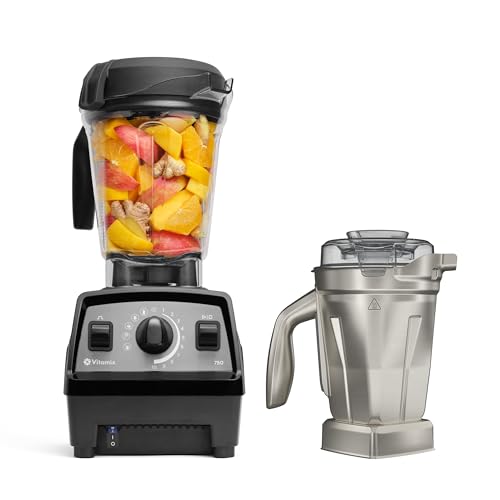
Included: Propel Series 750 blender motor base, 64-ounce low-profile container, low-profile tamper, 48-ounce Stainless Steel Container; this low-profile kitchen blender container allows for large-capacity blends while still fitting under kitchen cabinets
Tips for Reducing Exposure: What You Can Do to Stay Healthy
Have you ever thought about the hidden dangers lurking in your home? After you’ve made some safer choices—like swapping out those harsh chemical cleaners for eco-friendly products—it’s time to tackle how to further reduce your exposure to harmful chemicals.
Try this: when it comes to food storage and cooking, stick to glass, stainless steel, or ceramic containers. These options keep your food safe without all those nasty chemicals found in BPA-laden plastics. When you’re out shopping, keep an eye out for labels saying “BPA-free” and “phthalate-free.” It’s a small effort that can lead to significant benefits.
Processed foods and canned goods can also be sneaky culprits, often packaged in materials that are anything but healthy. Honestly, avoid heating up food in plastic containers. When you heat plastic, it can cause harmful substances to leach into your food. So next time, reach for a microwave-safe glass container instead.
Here’s the trick: regularly wash your hands and clean surfaces to reduce the dust that might be clinging to phthalates. Small actions like these can make a big difference in your everyday life. Remember, it’s all about those little changes that contribute to healthier living.
Choosing products made from plastic-free packaging is another effective way to minimize exposure to harmful chemicals.
What steps will you take to make your home a safer place?
Recommended Products

Kimchi Fermentation & Storage Refrigerator - Designed for kimchi fermentation and storage with adjustable temperature control.

Versatile freshness: the ZWILLING Fresh & Save Bowls starter set with 3 versatile glass bowls (12, 18 and 24 cm diameter) for preparing, baking, serving and storage, plus matching vacuum lids with double sealing technology. Includes 4 STAUB ceramic bowls (12 cm) in cherry red and a vacuum pump.
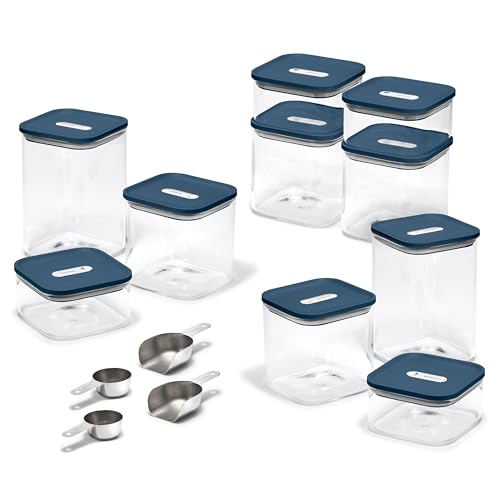
COMPLETE 26-PIECE SET: Includes 10 glass containers with lids, 2 stainless steel scoops, 2 ¼ measuring cups, 2 modular storage bases, and 2 magnetic organizers, creating an all-in-one food storage system for a streamlined, clutter-free pantry.
Understanding Regulatory Efforts on PFAS, BPA, and Phthalates
Have you ever thought about what’s in your drinking water or the toys your kids play with? With all the talk about PFAS, BPA, and phthalates these days, it’s clear we’ve got some serious issues to tackle for our health and safety. States are stepping up by setting stricter limits on PFAS, especially when it comes to what’s safe in drinking water. That’s a big deal since so many of us are unknowingly exposed to these chemicals.
The EPA is also getting involved by prioritizing research and even proposing enforceable standards. This is pretty crucial because it means we might see real changes soon. What about BPA? The FDA is reviewing safety studies that could lead to new guidelines. As more public health data comes out, it’s a good opportunity to pay attention to the updates.
On top of that, many states are moving forward with plans to ban BPA and phthalates in children’s products like toys and food containers. Why does this matter? Because these substances have been linked to health concerns, especially in kids. So, keeping them out of the products our family uses is a step in the right direction.
Honestly, it’s encouraging to see these regulatory actions taking shape. It feels like there’s finally recognition of the potential harm these chemicals can cause. Protecting our health and the environment should always be a priority. Using eco-friendly materials and sustainable alternatives is an important part of reducing exposure to harmful chemicals.
Helpful Resources to Stay Informed on PFAS, BPA, and Phthalates
Staying in the know about PFAS, BPA, and phthalates is more than just a checklist for regulations; it’s about making informed choices that impact both your family and the planet. Have you ever wondered how these chemicals sneak into our everyday lives? Resources like the National Institute of Environmental Health Sciences provide in-depth info on the health effects of these substances and how we come into contact with them.
Check out the FDA’s Q&A section about BPA, which is a must-read. It offers clarity on safety standards regarding food packaging—something that really matters for what you put on the dinner table. And don’t overlook the valuable tips from the Mayo Clinic on managing chemical exposure. They’ve got solid advice on how to reduce risks in your home and workspace.
So, why does this matter? It’s not just about facts and figures; organizations like the World Health Organization stress that ongoing research is essential. Truth is, keeping tabs on these substances can help us advocate for better environmental health.
Using eco-friendly materials in household products is one way to reduce exposure and support a healthier environment. The best part? Staying informed can empower you to make choices that benefit your loved ones and the world around you. So get curious, dive into these resources, and keep your family safe from unwanted chemical exposure. What small steps could you take today to create a healthier home?
Frequently Asked Questions
What Are Some Common Products That Contain Phthalates?
We often find phthalate sources in everyday items like plastic toys, vinyl flooring, personal care products, and food packaging. It’s important to be aware of these products to make informed choices for our health.
How Can I Identify Bpa-Free Products?
When wandering through stores, we can easily spot BPA-free products by searching for labels and certifications. Additionally, many brands proudly showcase BPA alternatives, helping us make safer choices for our families and the environment.
Do PFAS Accumulate in the Human Body Over Time?
Yes, PFAS do accumulate in our bodies over time. Their chemical persistence means they resist breakdown, leading to long-term exposure. We should be aware of this when considering the products we use daily.
Are There Specific Dietary Changes to Reduce Chemical Exposure?
Yes, we can adopt dietary strategies like choosing organic foods, washing fruits and vegetables thoroughly, avoiding processed items, and reducing consumption of canned goods to help limit our exposure to harmful chemicals in our diets.
How Do I Safely Dispose of Products Containing These Chemicals?
We can’t just toss these products in the trash, right? Let’s instead seek local hazardous waste disposal methods, like community drop-off events or special collections, ensuring we’re safely getting rid of these chemicals without harm.