As an Amazon Associate, we earn from qualifying purchases. Some links on this site are affiliate links at no extra cost to you. Our recommendations are based on thorough research and editorial judgment.


Eco Labels Explained: What Certifications Can (and Can’t) Prove

Ever stared at a product shelf and felt overwhelmed by all those eco labels? It can be tough to figure out which ones actually mean something and which are just clever marketing. Certifications like USDA Organic and Fair Trade are solid indicators that a product adheres to strict environmental and ethical guidelines.
But not every label has your best interests at heart. Take a moment to think about it: how many times have you seen something labeled as “natural” only to find out it doesn’t quite live up to the hype?
To help make sense of it all, stick with third-party certifications that promise transparency. Look for OEKO-TEX when shopping for textiles or FSC labels for wood products.
If you’re ever in doubt, remember this: the best part is knowing that these certifications are there to support your choices. Make it a habit to check labels and question the validity of what you’re buying. It’s not just about being eco-friendly; it’s about making informed decisions.
So, the next time you’re shopping, take a closer look. You might find that a little awareness goes a long way. What labels do you trust the most when shopping?
Key Takeaways
- Eco labels, like USDA Organic and Fair Trade, signify adherence to specific environmental and ethical standards through independent verification.
- Certifications like OEKO-TEX Standard 100 ensure products are free from harmful substances, providing a clear assurance of safety.
- Vague terms such as “natural” or “eco-friendly” lack official definitions, leading to potential consumer deception.
- Third-party certifications require transparency and scrutiny of production practices, building trust with informed consumers.
- Not all certifications hold equal weight; understanding their criteria is essential for discerning genuine sustainability from greenwashing.
Understanding Eco Labels: What They Are and Why They Matter
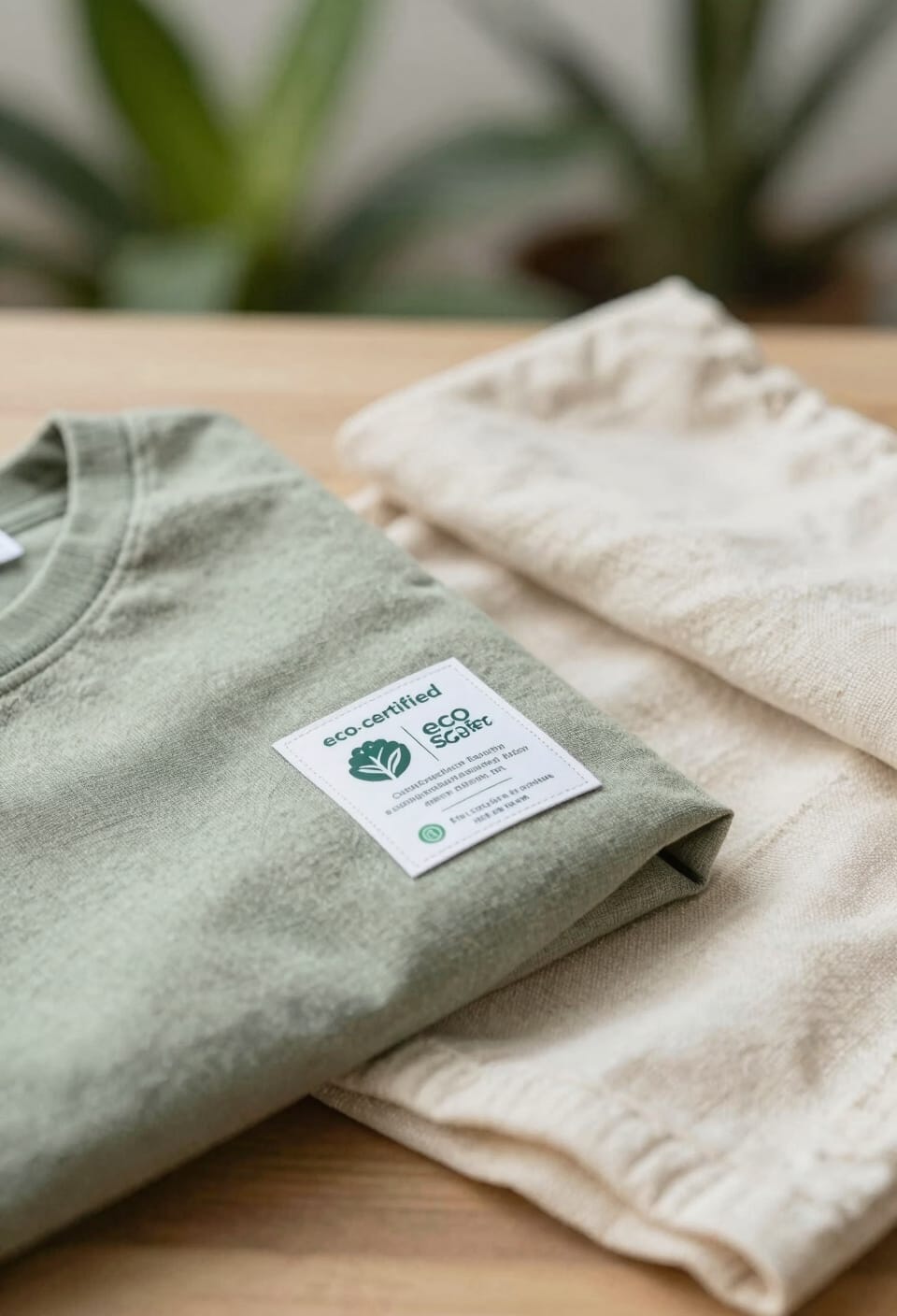
Have you ever paused to think about what those eco labels on products actually mean? It’s a bit overwhelming, right? These labels can feel like badges of honor, showing that a product meets certain environmental and ethical guidelines. Certifications like USDA Organic and Fair Trade Certified make it easier to spot sustainable choices in the sea of options.
But not every label is worth the same. Some exist only on paper with vague meanings, while others are backed by serious testing. For example, brands like Method flaunt the OEKO-TEX Standard 100 on their textiles. This certification guarantees that no harmful substances are lurking in their products. So, why does this matter? Knowing which labels are trustworthy can truly change the way you shop.
Here are some tips to navigate these eco labels:
- Look for reputable certifications: Stick with names you recognize, like USDA Organic and Fair Trade.
- Research labels: If you’re curious about a label, a quick search can give you the lowdown on what it really means.
- Ask questions: Don’t hesitate to reach out to brands for clarity on their certifications.
Understanding eco labels helps you make smarter choices that take into account how your purchases affect the environment. It’s all about supporting companies that are genuinely committed to sustainability. So, next time you’re browsing the aisles, keep an eye out for those labels that truly mean something. Are you ready to make a difference with every purchase? Choosing products with organic cotton is one practical way to support environmentally friendly practices.
Eco Label Certification Hierarchy: Independent Verification vs. Self-Regulation

When you’re out shopping for eco-friendly products, it can be pretty overwhelming, right? Knowing how certification works can make a big difference when you’re trying to choose wisely. Let’s break it down.
First off, look for those third-party certifications like USDA Organic or Fair Trade. These come from independent groups that actually set standards and check in regularly. This means you can trust that what you’re buying really lives up to its eco-friendly claims. It’s a level of independent verification that gives you peace of mind.
Now, on the flip side, there’s industry self-regulation. This is where groups of companies monitor their own labels. While this approach can be somewhat helpful, its reliability really varies. Some companies might do it well, but others might just take the easy way out. So, how do you know what to trust?
Be on the lookout for vague marketing terms, too. Phrases like “eco-friendly” can sometimes sound great, but without a solid definition, they don’t mean much. Truth is, these claims can be pretty misleading. So, when you see those terms, ask yourself what they really mean.
Understanding these differences can help you make better choices and support brands that are genuinely committed to sustainability. Many products also incorporate eco-friendly materials verified through established certification processes, offering another layer of assurance.
So next time you’re shopping, keep an eye out for those trustworthy certifications. What will you look for the next time you’re on the hunt for eco-friendly products?
Red Flags in Eco Labels

Navigating the world of eco labels can feel overwhelming, right? There are so many products out there claiming to be “natural” or “green,” but here’s the kicker—these terms don’t have official definitions. This means companies can throw them around without really backing them up. So, if you see these vague claims, it’s time to raise an eyebrow.
Another thing to watch out for is the term “biodegradable.” Sounds good, but without solid testing to back it up, a product might not live up to the hype. Just because something claims to break down easily doesn’t mean it will in your trash can or in a landfill. It’s all about the details, so dig a little deeper.
You should also be cautious of products displaying homemade labels or badges. If it’s not from a well-known certification body, it could just be a fancy sticker that doesn’t truly reflect the product’s impact on the environment. This kind of lack of transparency can really mess with your understanding of how sustainable a product is.
Speaking of transparency, if you come across certifications that don’t clearly explain their evaluation methods, take a step back. You might start to wonder about the actual steps the company is taking toward sustainability. Are they really doing anything, or is it just smoke and mirrors?
Staying in the know about these red flags is key in making thoughtful choices that are good for the planet. So, the next time you’re shopping, keep these tips in mind. What can you do to ensure the products you buy are genuinely eco-friendly? Checking for certifications such as BPI Certified can help verify eco-friendly claims.
Key Food and Agriculture Certifications: What They Prove
Sorting through all the eco labels and certifications out there can be overwhelming. Ever stood in the grocery aisle, staring at a product and wondering what the labels really mean? When you spot the USDA Organic label, it signals that the crops were grown without synthetic pesticides, fertilizers, or GMOs. Plus, livestock raised under this certification haven’t been given antibiotics or hormones. So, why does this matter? It pulls back the curtain on food production, letting you know your choices truly support a healthier environment.
Then, there’s Fair Trade certification. This is a big deal because it ensures farmers and workers are paid fairly and work under ethical conditions. Independent audits are done to back this up, ensuring these standards aren’t just empty promises. The best part is, choosing Fair Trade products means you’re not only looking out for your health but also helping communities thrive.
Now, let’s talk about Regenerative Organic Certified (ROC). This one takes things further by merging organic standards with a focus on soil health and animal welfare. It’s all about recognizing that healthy soil leads to better food and a sustainable future. When you support these products, you’re promoting methods that not only nourish us but also heal the planet.
You might wonder why making informed choices is essential, especially when it feels like a lot to keep up with. The truth is, our purchasing decisions send a message to producers about what matters to us. So together, let’s pick products that resonate with our values, creating a positive impact in our world. What will your next grocery choice be? Brands with recognized environmental certifications help ensure products meet stringent sustainability standards.
Key Textile Certifications for Sustainable Fashion Choices
Navigating the realm of sustainable fashion can be a bit overwhelming, right? With so many labels and certifications out there, how do you figure out what’s really worth your attention? One of the most trusted certifications for organic textiles is the Global Organic Textile Standard (GOTS). It mandates that at least 70% of the fibers in a product be organic, plus they enforce strict environmental controls.
Check out OEKO-TEX Standard 100 too. This certification ensures that textiles are free from harmful substances, covering everything from the fabric to the buttons. If you’re passionate about animal welfare—who isn’t?—look for the Responsible Wool Standard (RWS). This label promotes humane treatment of sheep, which is something to feel good about when adding wool pieces to your wardrobe.
For cotton lovers, the Better Cotton Initiative (BCI) is all about sustainability, focusing on improving cotton farming practices to benefit both the planet and the farmers. Also, keep an eye out for the Leaping Bunny stamp. This one’s key if you want to avoid products that involve animal testing or materials.
Choosing products labeled with 100% organic cotton ensures not only comfort but also a reduced environmental footprint, making them a smart choice for eco-conscious consumers.
Certifications That Protect Wood and Paper Products
When you’re trying to make eco-friendly choices for wood and paper products, it can feel a bit overwhelming with so many options out there. Ever wonder which certifications actually matter? Let’s dive into a couple that truly stand out.
FSC certification is one you should definitely keep on your radar. This label guarantees that the products come from responsibly managed forests. They offer different categories like FSC 100%, FSC Mixed, and FSC Recycled, so you can pick what fits your needs best. With chain-of-custody certification, you can trace the wood from the forest right to the final product. This transparency ensures that sustainable harvesting methods are practiced.
You might also hear about the Sustainable Forestry Initiative (SFI) certification, which is more common in North America. While SFI does certify wood products, it’s been criticized for not always meeting strict sustainability standards. So, why does this matter? Supporting FSC-certified products truly helps protect our forests and their ecosystems.
Try this: when you’re shopping, look for the FSC logo on wood and paper products. It’s a simple way to make a positive impact. Honestly, when you choose wisely, you contribute to a healthier planet while getting quality materials.
In a nutshell, FSC stands out for its commitment to sustainability, while SFI has room for improvement. The next time you’re making a purchase, ask yourself—are you making a choice that helps the environment? Keep in mind that choosing products made from 100% biobased materials helps reduce environmental impact by supporting sustainable resource use.
How Indoor Certifications Keep Your Home Safe
Is your home as safe as it could be? While we often think about being eco-friendly with our wood and paper choices, we might overlook something just as important: air quality. Certifications like GREENGUARD Gold can be a lifesaver when it comes to indoor products like furniture and paints. These certifications ensure that the stuff you bring into your home has low chemical emissions, which is crucial for the health of kids and the elderly.
Here’s the cool part: GREENGUARD tests for over 10,000 chemicals. This means when you choose certified products, you’re significantly cutting down on indoor pollution. That’s good news for your lungs! Plus, Energy Star certified appliances are not just a nice touch; they also improve energy efficiency by 10-50%. That can lead to lower energy bills and lessen your greenhouse gas emissions.
So, what can you do? Look for products that have both GREENGUARD and Energy Star certifications. This combo not only protects your health but also promotes a more sustainable lifestyle.
Honestly, taking the time to make these choices can make a real difference in keeping your home safe. Plus, opting for items made from organic materials can further reduce exposure to harmful chemicals and environmental pollutants. What’s more important than a cozy and healthy living environment? Let’s keep it smart and eco-conscious together!
Evaluating Unfamiliar Labels: Assessing Certainty
How do you really know if the eco labels on products are trustworthy? It’s easy to get overwhelmed with all the different labels out there, but breaking it down can help. Start by looking at who sets the standards. You want to see certifications from independent third parties rather than the companies themselves. If a company is validating its own claims, that can raise some red flags.
Next, take a closer look at what each label claims. Reliable certifications typically provide a lot of detail about how they verify compliance. This usually includes information on their testing and auditing processes, which should be done by outside, independent parties. Transparency is crucial here. So, check for accessible information about their criteria and who performed their audits.
Now, here’s the tricky part: be wary of vague terms like “natural” or “eco-friendly.” These words often sound good but can have little real meaning behind them. So, why does this matter? If you’re trying to make eco-conscious choices, you don’t want to be misled by marketing buzzwords.
For an extra layer of confidence, take time to look at official databases or the websites of certifying bodies. This can help verify that the eco labels you’re seeing actually match their stated criteria. Additionally, choosing products made from eco-friendly materials verified by certifications can significantly reduce plastic waste and promote sustainability.
How to Choose Products With Trusted Certifications
Choosing products with trusted certifications can sometimes feel overwhelming, right? But let’s break it down and make it easier. Start by looking for certified items from independent organizations like USDA Organic or Fair Trade. These labels mean the products have met strict standards.
It’s also a good idea to get to know some eco-labels, such as OEKO-TEX Standard 100. This label guarantees that textiles are safe for your skin. Honestly, watch out for vague terms like “eco-friendly.” They may sound nice, but they often don’t really tell you much about a product’s actual environmental impact.
To really figure this stuff out, check the certifier’s websites. This can give you insights into what you’re actually buying and help you avoid getting greenwashed. You want to make sure the products you choose are genuinely sustainable.
And let’s not forget about wood products. Choosing certifications like FSC Certified ensures that the wood comes from responsibly managed forests. This way, you’re not just enriching your home; you’re making a choice that positively impacts the planet, too.
Additionally, opting for reusable and durable materials in everyday products can significantly reduce waste and promote sustainability.
The Limitations of Eco Labels: What They Can’t Guarantee
Eco labels can help you make better choices, but they don’t tell the whole story. Sure, certifications like USDA Organic or Fair Trade Certified point towards some sustainable practices, but they aren’t a guarantee that a product is completely free from harming the environment. What about those labels that sound good but lack clear definitions, like “natural” or “eco-friendly”? They can be pretty misleading.
For example, the Recycled Claim Standard (RCS) only checks the minimum recycled content. It doesn’t consider the social or environmental impacts of the product as a whole. And here’s a biggie: just because a product carries an eco label doesn’t mean the company treats its workers ethically. So, why does this matter? It means you need to dig a little deeper when you’re shopping for sustainable products.
Instead of relying solely on what labels say, consider these tips:
- Look for transparency. Is the company open about its practices?
- Research independently. There are plenty of resources available that break down a brand’s environmental and labor practices.
- Ask questions. Don’t hesitate to reach out to companies for more details about their sustainability efforts.
Truth is, being a conscious consumer takes a bit of effort, but it’s worth it in the long run. You’ve got the power to make choices that aren’t just about the label, but about the bigger picture. So, the next time you shop, keep your eyes peeled and ask yourself: What does this label really mean? Remember, even products with compostable certifications can vary widely in their environmental impact depending on materials and decomposition timelines.
Frequently Asked Questions
What Are the Three Types of Ecolabels?
The three types of ecolabels we can trust include verified certifications, like USDA Organic, industry standards, such as Energy Star, and self-declared labels. Each plays a role in product transparency and consumer trust, despite varying government regulations.
What Certifications Indicate a Sustainable Product?
When we seek the golden badge of sustainability, certifications like Fair Trade, FSC, and GOTS illuminate our path. They embrace sustainable sourcing, guarantee eco-friendly packaging, and provide the impact assessment we need to choose wisely.
What Does an Ecolabel Show?
Ecolabels demonstrate verified product claims regarding environmental impact, distinguishing them from vague claims. By choosing products with these labels, we enhance consumer awareness and make informed decisions that support sustainable practices and reduce our ecological footprint.
What Do Certification Labels Give Information About?
Certification labels give us vital information about product transparency, ensuring label credibility and fostering consumer trust. They confirm adherence to ethical and environmental standards, empowering us to make informed, responsible choices for our health and the planet.