As an Amazon Associate, we earn from qualifying purchases. Some links on this site are affiliate links at no extra cost to you. Our recommendations are based on thorough research and editorial judgment.

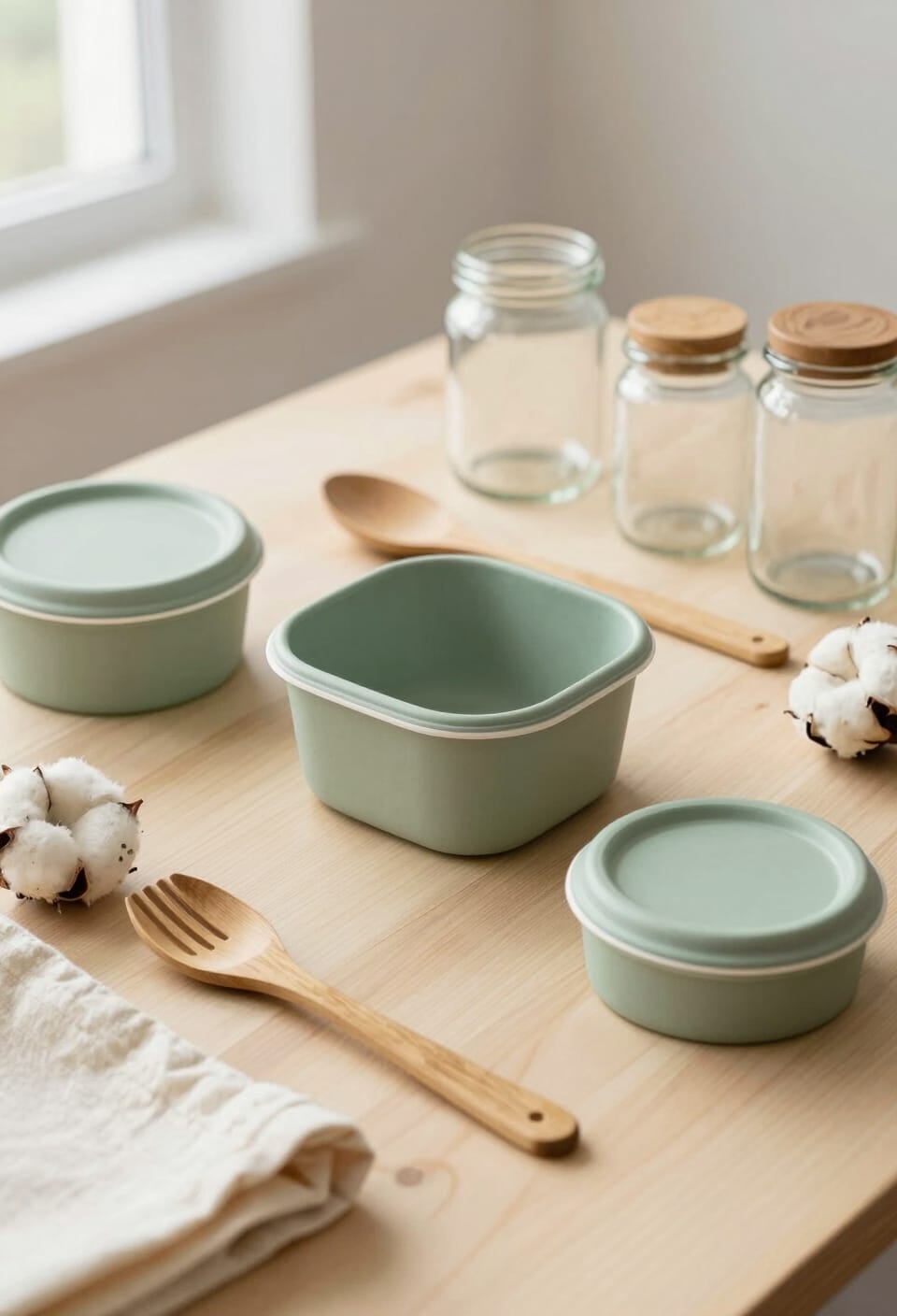
Zero-Waste on a Budget: Principles That Save Money Long-Term

Have you ever felt overwhelmed by waste and expenses? Zero-waste living isn’t just about saving the planet; it can also boost your wallet in the long run. By choosing durable brands—like switching to stainless steel water bottles instead of plastic—you’re cutting down both waste and costs. It’s not just good for the environment, but good for your budget, too.
Meal planning is another simple trick that can save you loads of money. Not only does it help you avoid food waste, but it also keeps those impulse purchases at bay. Before you throw away unused items, consider swapping with neighbors or checking out local tool libraries. You’d be surprised at how much can be shared within a community.
The best part is that there are numerous small changes you can make every day that add up over time. Here are some easy tips:
- Buy in bulk using reusable bags to cut down on packaging waste and save cash.
- Get creative with leftovers to minimize food waste.
- Look into DIY cleaning supplies, as they’re often cheaper and less harmful to the environment.
So, why does this matter? Making these choices not only lightens your financial load but also contributes positively to the planet.
Honestly, it’s about being mindful of what you buy and consume. The road to zero-waste living doesn’t have to be overwhelming; just start with a few changes.
To recap, embracing zero-waste principles can save you money while helping the Earth. What’s one thing you can change today to move towards a more sustainable lifestyle?
Key Takeaways
- Repairing items instead of replacing them decreases spending and fosters a sustainable mindset.
- Buying in bulk with reusable containers significantly lowers both grocery costs and packaging waste.
- Adopting a “use what you have” mentality avoids unnecessary purchases and reduces waste.
- Investing in quality, durable products minimizes long-term replacement expenses.
- Participating in community resources like tool libraries and gardens enhances savings and reduces individual waste.
Understanding Zero-Waste Living and Its Financial Benefits

When you think about zero-waste living, does it feel a bit daunting? You’re not alone. Many of us have been raised in a world where throwing things away is just the norm. But here’s the thing: once you start examining its financial perks, making the switch can feel a lot more doable.
Try this: think about ways you can save money by being more sustainable. Refurbishing or fixing items instead of constantly replacing them is a fantastic way to keep your wallet happy. Every time you choose to repair something instead of tossing it out, you’re saving cash in the long run.
You might also want to pay attention to where you shop. Choosing durable brands can cut down on how often you have to buy replacements. When you invest in quality, you’re dodging those pesky waste management costs, too. Plus, buying in bulk—especially with your own reusable containers—can really lower your grocery bills while slashing plastic waste at the same time. So, why not give it a shot?
Here’s a simple trick: adopt a “use what you have” mindset. It’s surprising how many items we buy that we don’t really need. By focusing on what’s already in your home, you can avoid unnecessary purchases.
All these little choices add up. Not only do they help the planet, but they also boost your bank account. Honestly, you might really feel the benefits over time. Zero-waste living isn’t just about reducing trash; it can seriously help you save money by using reusable market bags to lower single-use plastic costs.
Practical Tips for Reducing Food Waste at Home

Have you ever looked in your fridge and realized you have a bunch of food that’s about to go bad? Reducing food waste at home isn’t just a way to help the planet; it can save you a ton of money! One simple way to tackle this is by prioritizing meal planning. By taking a few minutes to plan your meals for the week, you can create grocery lists that ensure you only buy what you truly need. Plus, checking your pantry regularly helps you keep track of what you’ve already got, so you won’t be tempted to buy duplicates.
Here’s the deal: keeping your leftovers organized in reusable containers can make a world of difference. It’s not just about saving food, but also about reinventing meals. Instead of letting that half-eaten roast chicken sit in the fridge, think about how you can turn it into chicken tacos or a hearty soup. And those “ugly” vegetables staring at you? They can be just as delicious when roasted or blended into a sauce. So, why not give them a chance?
Have you heard of TooGoodToGo? This app connects you with local restaurants and stores that offer discounted food that might otherwise be thrown out. It’s a win-win: you get great meals at a lower price while helping to cut down on waste. It might feel like a small step, but every little bit counts.
The best part is, reducing food waste at home is easier than you think. With a bit of meal planning, clever use of leftovers, and the Right apps, you’re on your way to saving money and helping the environment. Honestly, it feels good to know you’re making a difference. How will you start your journey to cut down on waste today? Using sustainable products like reusable beeswax wraps can also help keep your food fresh longer and reduce waste.
Budget-Friendly Swaps for Household Items
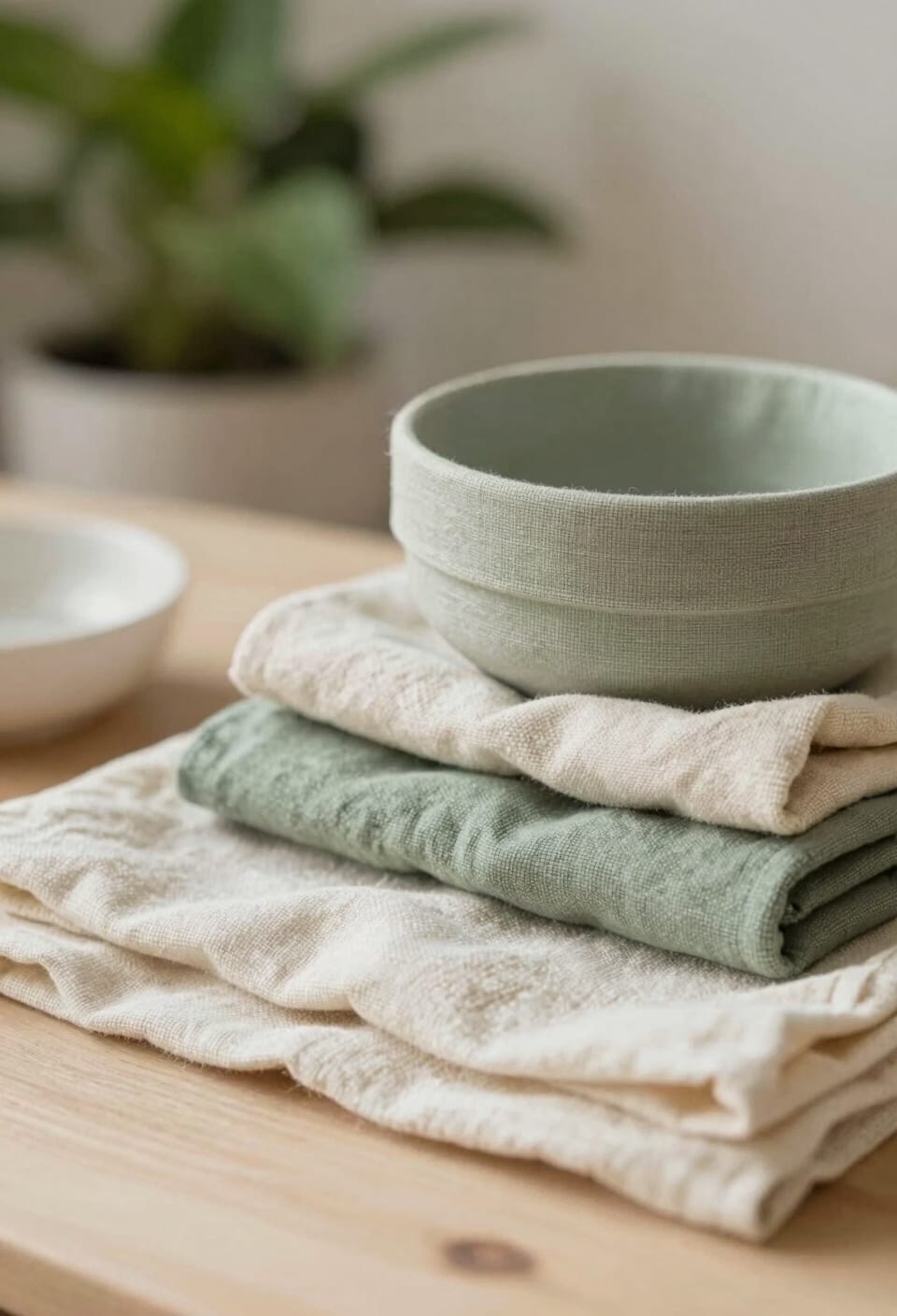
Have you ever stopped to think about how our everyday products affect both our bank accounts and the environment? Making a few simple swaps can lead to less household waste and more savings. For example, ditching disposable utensils for bamboo sets and switching to silicone bags can keep money in your pocket and trash out of landfills.
Here’s the trick: bar soap and buying shampoos in bulk not only cuts down on plastic waste but can really trim your bathroom budget, too. Plus, using cloth produce bags encourages buying in bulk, which can significantly lower your grocery expenses over time. Who doesn’t love saving a few bucks while helping the planet?
And when it comes to cleaning, have you considered DIY solutions with vinegar and baking soda? Truth is, these options are often a lot cheaper and better for the environment. Lastly, embracing second-hand items for your home can be a major win. You can save up to 80% compared to new items—that’s a remarkable difference!
Making these changes is easier than it seems. So, why not give them a try? You might be surprised by how much you can save while also being kinder to the planet. What swaps have you made lately that have helped both your wallet and the environment? Using bent reusable straws is another effective swap that reduces plastic waste and adds convenience to daily routines.
How to Shop Smart and Stay Sustainable?
Have you ever thought about how much money you could save while helping the planet at the same time? Shopping smart can really make an impact on both your wallet and the environment. One easy trick is to buy in bulk. It’s amazing how much you can save—sometimes up to 50% on groceries! Plus, it cuts down on all that pesky packaging waste.
Don’t forget to bring your reusable bags and containers to the store. Not only do they help you cut back on single-use plastics, but many places offer discounts when you show you’re prepared. What’s not to love about saving a little extra cash?
Also, make a habit of checking out seasonal and local produce. You get fresher options, and you’re supporting local farmers at the same time. Bonus points for your community! Have you noticed those “last chance” shelves? They really do hold some sweet deals on products that are nearing their expiration dates, so grab them while you can! This is a great way to help reduce food waste too.
If you’re eager to find even fresher options, consider joining a community-supported agriculture program or hitting up your local farmer’s market. You might be pleasantly surprised by the quality and prices of what you find there.
Choosing sustainable materials like natural raffia ribbons can also enhance your eco-friendly lifestyle by supporting biodegradable and renewable resources.
Truth is, it’s entirely possible to lead a zero-waste lifestyle without emptying your bank account. So why not give it a try?
Leveraging Community Resources to Enhance Zero-Waste Living
Are you looking to live a more sustainable lifestyle while also saving some cash? One of the best ways to boost your zero-waste efforts is to lean on the community resources around you.
First off, think about joining a tool library. These places let you borrow tools instead of splurging on ones you might only use once or twice. It’s a simple way to cut back on waste and keep more money in your pocket.
Community gardens also deserve a shout-out. They’re perfect for growing your own veggies—plus, you get to meet your neighbors in the process. That sense of community can make your zero-waste journey a lot more enjoyable.
Consider participating in local sharing groups, too. You can swap clothes, furniture, and household items without spending a dime, which goes a long way in keeping stuff out of landfills. It’s surprising how much stuff you don’t need anymore, and passing it on helps someone else while you declutter.
Don’t forget about composting! Whether your city runs a program or there’s one in your neighborhood, composting is a great way to recycle all that organic waste. It not only helps reduce trash but also enriches the soil if you’re into gardening.
Have you ever tried upcycling or DIY repairs? They’re fantastic skills to learn, and many local workshops offer fun opportunities to dive into these projects. Extending the life of your items contributes to zero waste, and you might make something unique that fits perfectly in your home.
Incorporating compostable bamboo cups into your routine can also reduce waste while adding style to your gatherings.
Frequently Asked Questions
What Are the Core Principles of Zero Waste?
We embrace a minimalism mindset, focusing on reducing consumption, reusing eco-friendly products, and recycling wisely. Through composting methods and community sharing, we foster waste reduction with DIY solutions that inspire sustainable shopping and a greener future.
What Is the 30 Day Rule to Save Money?
The 30 Day Challenge helps us develop impulse control when deciding on purchases. By distinguishing essential vs non-essential items, we practice mindful spending, supporting our financial goals and enhancing our budgeting tips through conscious consumerism and delayed gratification.
How to Go Zero Waste on a Budget?
We can go green on a budget by embracing effortless DIY cleaning products, thrift store shopping, bulk buying tips, and seasonal eating. Let’s practice a minimalism mindset and explore community swaps for reusable alternatives!
What Are the 7 Rs of Sustainable Living?
The 7 Rs of sustainable living are Refuse, Reduce consumption, Reuse reusable items, Recycle, Rot composting, Repair with repurposed materials, and Regenerate through community sharing and responsible shopping at refill stations and secondhand stores.


