As an Amazon Associate, we earn from qualifying purchases. Some links on this site are affiliate links at no extra cost to you. Our recommendations are based on thorough research and editorial judgment.

A Low-Waste Spring Cleaning Plan (Room-by-Room)

Got a spring cleaning checklist this year? If you’re looking to clear out the clutter and do it without filling up your trash can, here’s a low-waste approach you can adopt for each room.
Start with decluttering. It’s pretty simple: for every item you bring in, let one go out. You can donate to local charities, which helps someone else while keeping your space tidy. It’s a win-win!
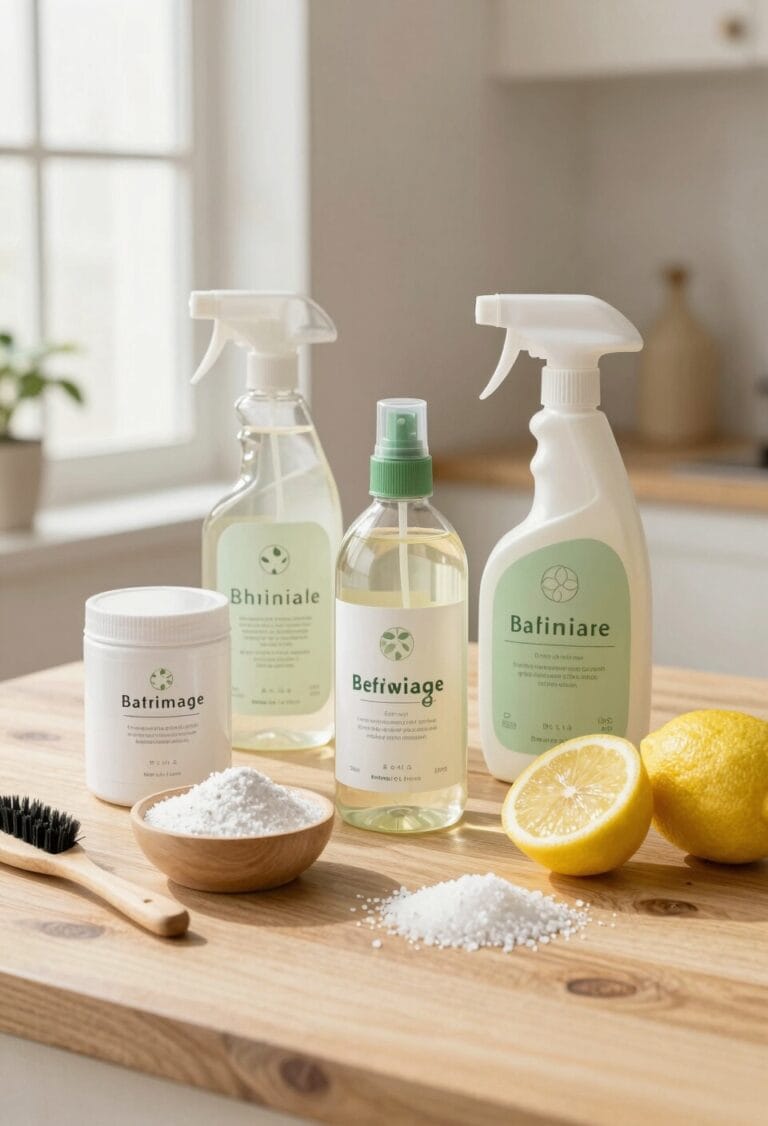
In the kitchen, swap those disposable sponges for bamboo cloths. These can be easily washed and reused, making them way better for the environment. Try using vinegar and baking soda as cleaners—super effective without all the harsh chemicals. So, why does this matter? You’re reducing plastic waste and keeping your home healthier.
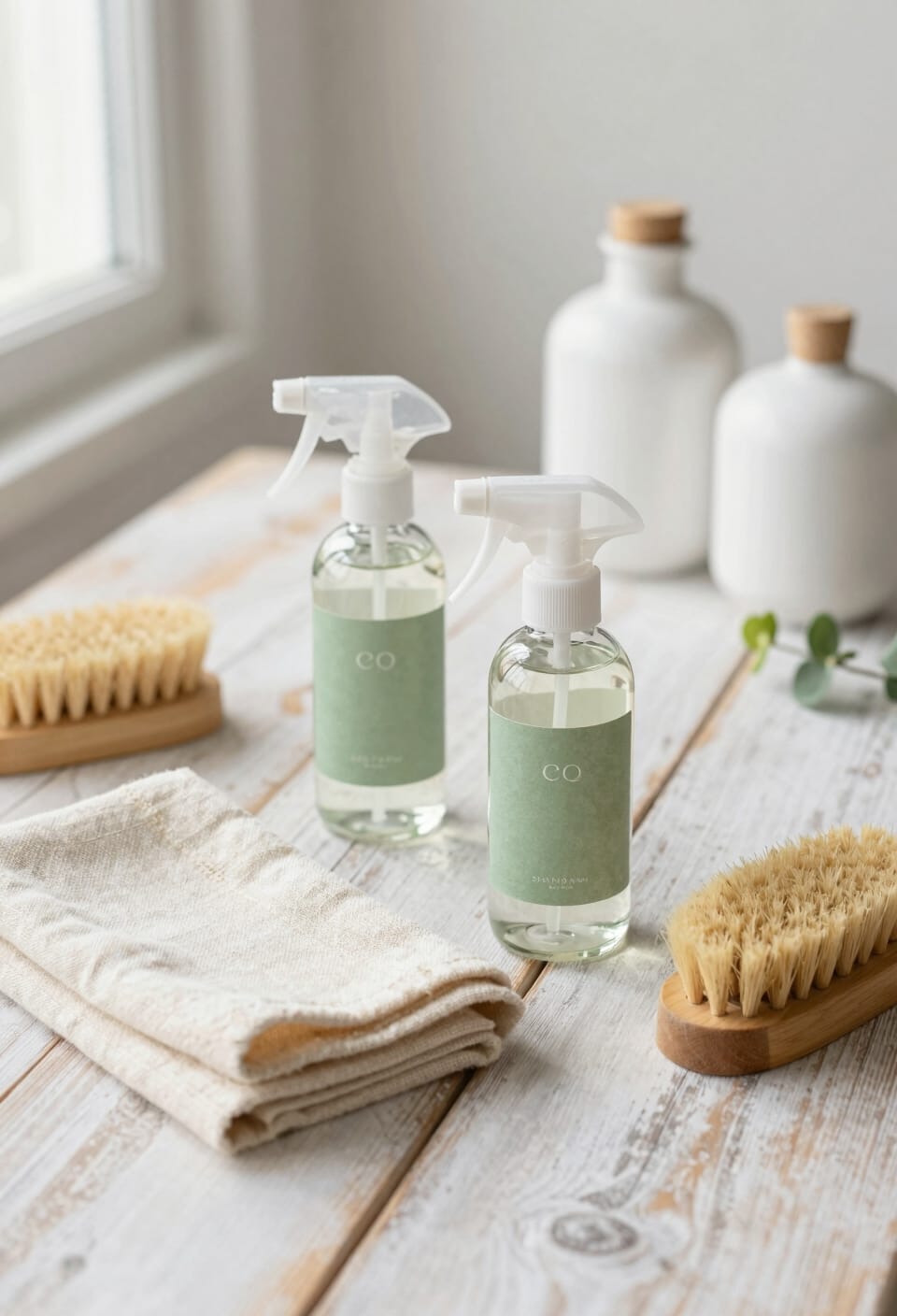
Moving on to the bathroom, consider switching your products to refillable containers. Not only does it cut down on packaging waste, but you’ll also have that refreshing feeling of using something new (and good for the planet). Remember to bring reusable microfiber cloths into the mix; they’ll help minimize your paper waste, and they’re great for cleaning up those pesky spots.
Lastly, don’t forget about DIY cleaners! Making your own can be easier than you think and often involves simple ingredients you probably have at home already. Try this: mix some water, vinegar, and a drop of dish soap for an all-purpose cleaner. The best part is, it’s cost-effective and keeps your home safe without harmful chemicals lingering around.
Remember, tackling spring cleaning with a low-waste mindset doesn’t have to be overwhelming. It’s all about making small changes that add up over time. What area of your home do you think could use some of this low-waste love?
Key Takeaways
- Start in one room at a time, decluttering unnecessary items and donating gently used belongings to minimize waste and support the community.
- Use reusable microfiber cloths and eco-friendly cleaning solutions, such as vinegar and baking soda, for effective and sustainable cleaning.
- Create refillable spray bottles with DIY cleaners to avoid single-use plastic bottles during your cleaning routine.
- Organize your cleaning tasks with a checklist to ensure thoroughness and efficiency while promoting a low-waste approach.
- Use biodegradable trash bags and compostable sponges to further reduce your environmental footprint during the spring cleaning process.
Understanding Low-Waste Cleaning Principles
When it comes to cleaning, do you ever feel overwhelmed by all the products on the shelves? It’s easy to think that more is better, but low-waste cleaning shows us that’s not the case. By making simple changes, you can positively impact our planet while keeping your space clean.
Start by swapping out disposable items for reusable ones. Microfiber cloths are a fantastic option; you can wash them and use them over and over. Plus, they pick up dirt and dust really well. For your cleaning solutions, think outside the box. Vinegar and baking soda are powerful and non-toxic. They can tackle a multitude of cleaning tasks without the harsh chemicals found in many store-bought products.
Here’s a practical tip: create a room-by-room cleaning guide. It’ll help you stay organized and make your cleaning routine more efficient, allowing you to minimize waste. Following a cleaning schedule is another way to keep your home looking great. It can help you avoid wasting supplies that could just go bad sitting in your cabinets.
Decluttering is also key. When you find items you no longer need, consider donating them. This not only helps others but also promotes a circular economy, ultimately reducing the amount of waste in landfills. So, why does this matter? Each small action can lead to a much larger change.
One way to complement your low-waste lifestyle is by choosing personal care products such as compostable dental floss, which reduce plastic waste and environmental impact.
To recap, low-waste cleaning is about being mindful of what you use and how you clean. Try integrating these ideas into your routine, and see how they transform your space. What changes are you excited to make?
Getting Your Space Ready for Green Cleaning
Are you tired of using harsh chemicals that leave your home smelling like a lab? You’re not alone. Preparing your space for green cleaning can feel overwhelming, but I have some practical tips to make it easier.
Start with a decluttering session. Go through your items and think about what you really need. Consider donating or repurposing things instead of just tossing them. This not only frees up space but also promotes a minimalist vibe that feels refreshing.
After clearing out the clutter, take a look at your cleaning tools. Toss those conventional sponges and paper towels. You can replace them with reusable microfiber cloths and compostable sponges made from cellulose. These options cut down on waste while still getting the job done effectively.
And when it comes to deep cleaning, why not create your own eco-friendly cleaning solutions? Common kitchen staples like vinegar and baking soda work wonders. Mix them up for a powerful cleaner that’s safe for you and the environment. Not to mention, they’re biodegradable—so you can clean with peace of mind.
Using bamboo cleaning cloths can further reduce waste and enhance your green cleaning routine with their durability and absorbency.
Taking these steps can elevate your cleaning routine while being kind to our planet. So, what are you waiting for? Are you ready to make the switch to greener cleaning?
Step-by-Step Guide for Eco-Friendly Spring Cleaning
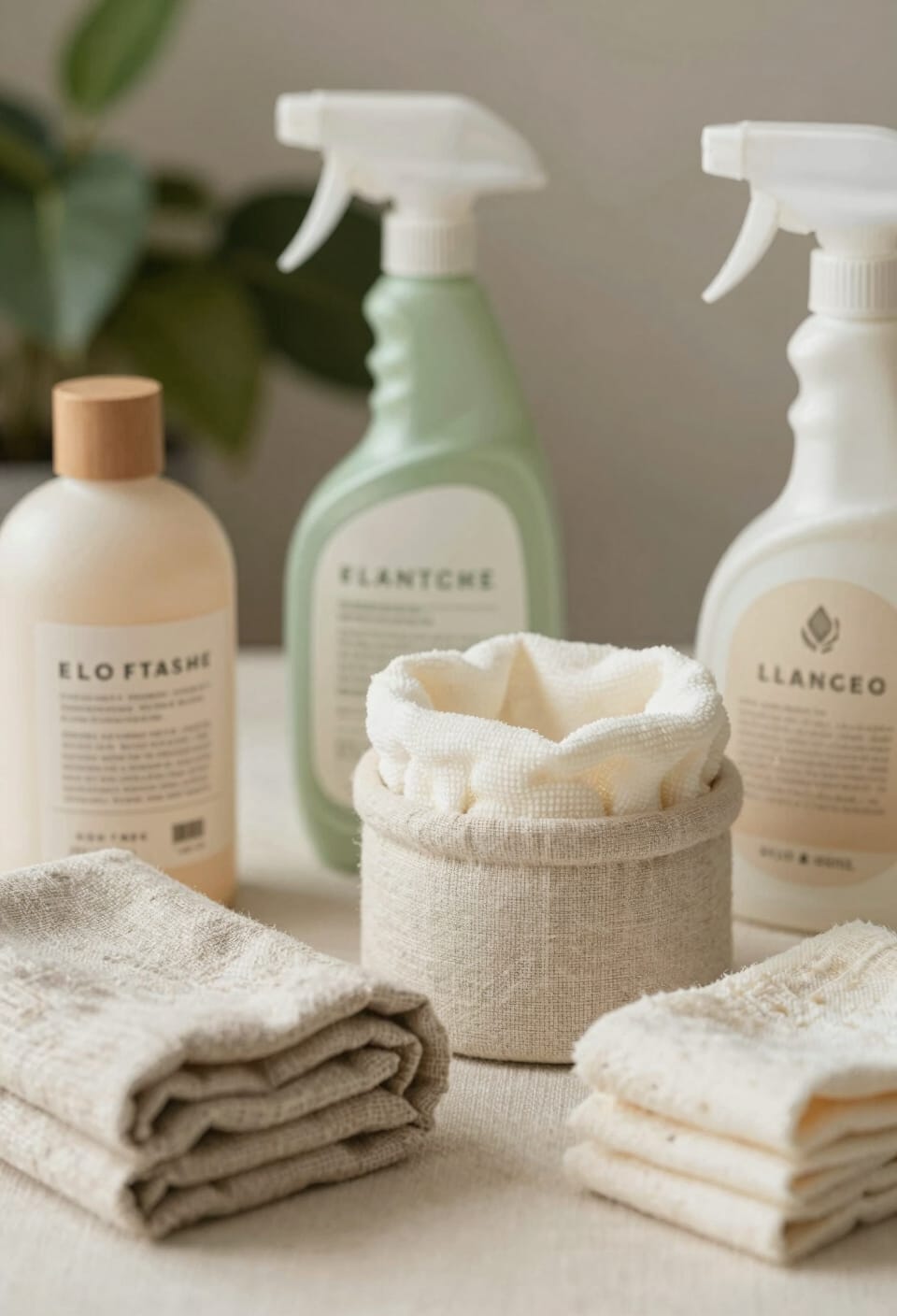
Are you looking at the clutter around your house and feeling overwhelmed? You’re not alone. Spring cleaning can feel like a huge task, but it doesn’t have to be daunting—especially when you approach it with an eco-friendly mindset. Let’s dive into some practical ways to refresh your space while being kind to our planet.
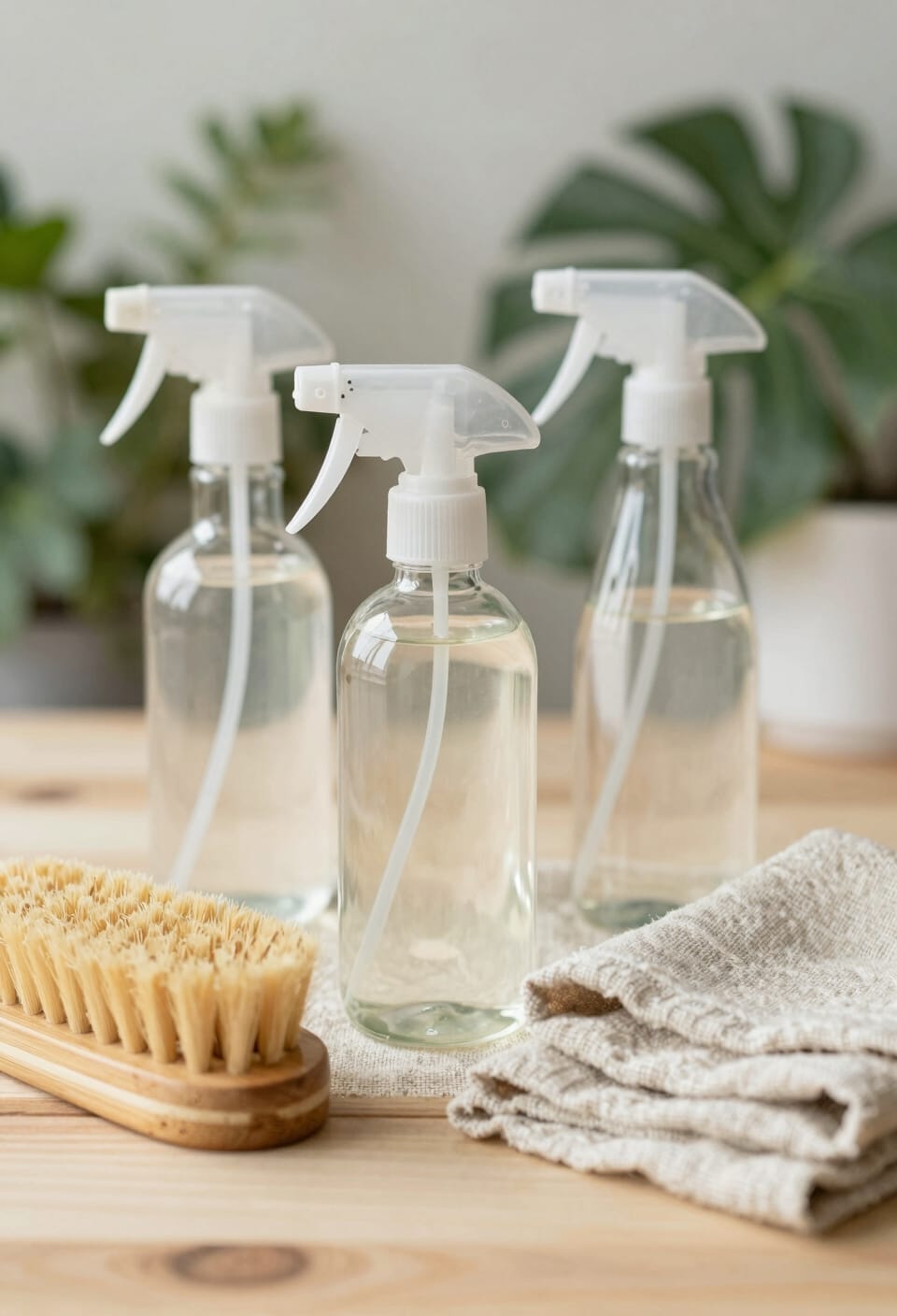
First things first, gather your supplies. You’ll want to have reusable cleaning cloths, natural solutions like vinegar and baking soda, and refillable spray bottles on hand. These simple swaps can help cut down on single-use plastics that often end up in landfills. Remember, every little effort counts!
When it comes to dusting, microfiber cloths are a fantastic choice. They pick up dust effectively without the need for harsh chemicals. As you go through your cleaning routine, keep those cloths handy; they’ll make the job a lot easier and more sustainable.
While you’re decluttering, think about the items you no longer use. Rather than just tossing things out, consider donating or recycling. It’s a great way to contribute to a circular economy. Plus, it feels good to know you’re giving your items a second life instead of adding to the waste problem. And if you do end up with trash, using biodegradable trash bags will really help minimize your environmental footprint. Choosing bags with compostability certification ensures they break down properly and reduce environmental impact.
Finally, check out your Spring Cleaning Checklist. It can be a game plan for turning your space into a fresh, clean home—all while ensuring you’re making choices that are better for the Earth. So, what’s stopping you? Let’s make our homes shine without sacrificing sustainability!
Effective Strategies to Minimize Waste in Every Room
Cleaning can sometimes feel like a daunting task, doesn’t it? But what if I told you there are simple ways to minimize waste while you tackle each room in your home? Here are some practical strategies you can use.
In the kitchen, small appliances can gather dust and grime pretty quickly. Try using reusable microfiber cloths and eco-friendly cleaning solutions like vinegar and baking soda. Not only are these options better for the environment, but they also save you money in the long run.
Living areas often get cluttered with things you no longer use. Instead of grabbing those disposable wipes, look around for old clothing that can be repurposed as cleaning rags. It’s a great way to cut down on waste and give those clothes a new lease on life.
Bedrooms can be a tricky space when it comes to decluttering. The best part is that donating items you don’t need or recycling them is a rewarding process. It not only clears out your space but also helps others in need. So, take a moment to go through your belongings—what can you let go of?
Bathrooms deserve some attention too. Don’t forget to sift through your medicine cabinet for expired medications. It’s crucial to dispose of them safely—you’re doing your part to keep the environment safe.
Truth is, being mindful about cleaning can go a long way. By following these strategies, you’ll keep your spaces fresh while also making a positive impact on the planet. Consider switching to biodegradable materials when choosing cleaning tools to further reduce waste. What small changes will you make today?
DIY Cleaners: Low-Waste Cleaning Supplies
Cleaning your home can feel like a never-ending chore, but what if you could do it without all the harsh chemicals that can harm the environment? That’s where DIY cleaners come into play. With just a few staple ingredients like vinegar and baking soda, you can tackle those stubborn stains and funky odors without compromising your health or the planet’s.
Vinegar is a real powerhouse when it comes to disinfecting, while baking soda is fantastic for scrubbing and deodorizing. Combine the two, and you’re all set for everything—from your kitchen countertops to that pesky coffee stain on your carpet. Plus, if you add a few drops of essential oils like tea tree or lavender, you’ll get a lovely scent along with an extra boost in antibacterial benefits.
Here’s the trick: Mix some castile soap with water for an all-purpose cleaner. It’s safe, biodegradable, and great for everyday messes. Don’t forget to ditch those disposable paper towels. Instead, grab some reusable cloths. This little switch can make a big difference in cutting down waste while keeping your cleaning routine eco-friendly.
So, why does this matter? By opting for DIY cleaners, you not only save money but also take a small step toward a more sustainable lifestyle. Honestly, it can be empowering to know exactly what goes into your cleaning products. Additionally, incorporating biodegradable cleaning products helps ensure your cleaning efforts have a minimal environmental impact. Let’s give these simple solutions a try and see how they can transform your cleaning routine.
Keep Your Home Eco-Friendly All Year Long
Why is it that we seem to only think about cleaning our homes in the spring? Keeping your space eco-friendly is a year-round commitment. Switching from disposable cleaning cloths to reusable ones is a simple step to make a big difference. You could also consider using mop heads that can be washed and reused.
Homemade cleaning solutions are another great option. Have you ever tried mixing vinegar and baking soda? Not only does it cut down on chemical waste, but it also reduces the packaging we often throw away. And when it comes to tools, look for second-hand finds or those made sustainably, like brooms and brushes. Not only are they better for the planet, but they often last longer, too.
Decluttering is a fantastic way to maintain an eco-friendly home. Make it a habit to donate or recycle items you don’t use anymore. It’s a win-win; you get a cleaner space while also helping the environment. So, why doesn’t everyone do this? Choosing products with biodegradable packaging can further reduce environmental impact and support sustainable living.
Tips for Mindful Decluttering and Responsible Disposal
How can we make decluttering a more mindful process in our homes? It’s often overwhelming to sift through the stuff we’ve accumulated over the years and figure out what we actually need. So, why not start with a simple rule: “one in, one out.” Whenever you pick up something new—maybe a trendy bamboo kitchen gadget—think about removing something old. This way, you keep clutter at bay while still enjoying the things you love.
Creating a decluttering schedule can work wonders, too. Instead of tackling your entire home in one day, why not break it down? Focus on one room at a time. This approach makes it easier to concentrate and figure out what truly belongs in your space. You might even consider setting aside a specific day each month for your decluttering sessions—make it a fun ritual!
When you’re faced with items you no longer need, think about giving them a second life. There are plenty of local charities and donation centers that would love to take your unwanted clothes or furniture. It feels good to know someone else might benefit from your things. And don’t forget about electronics. They shouldn’t just end up in the landfill. Seek out recycling programs that ensure proper disposal of e-waste. It’s a responsible way to keep your home—and the environment—clean and safe.
Truth is, by adopting a mindful approach to decluttering, you create a space that feels refreshing and sustainable. Plus, you’ll be doing your part for the planet, which is a win-win situation. Incorporating products made from fast-growing bamboo into your home can further enhance your eco-conscious lifestyle. So, what could you tackle today? Start small, and before you know it, you’ll feel lighter and more organized.
How to Recycle and Donate During Spring Cleaning?
Have you ever tackled a spring cleaning project and felt overwhelmed by all the stuff you’ve accumulated over the years? It’s easy to get lost in the clutter, but with a little planning, you can recycle and donate items you no longer need while doing your part for the planet.
Start by researching local charities that accept gently used items. It not only benefits them but also gives you peace of mind knowing your items are going to a good cause. Try this: look up charities on social media or community boards to see what they need most, which can help guide what to donate. And don’t forget about using a donation tracker app; keeping a record can make tax season a little less stressful.
Now, what about those items that can’t be donated? It’s important to ensure proper disposal. Check your local recycling centers, especially for electronics and hazardous waste—these items need extra care. Most areas have specific guidelines to follow, so don’t hesitate to ask if you’re unsure.
Another fun idea? Why not organize a neighborhood swap event! It’s a great way to exchange items with friends and neighbors. Everyone gets to take what they need while clearing out their clutter. Plus, it’s a perfect excuse to socialize and connect with others in your community.
If you can’t organize an event, consider turning to online platforms like Freecycle. This site helps you give away items to folks in your area who can put them to good use. Honestly, it’s satisfying to know that your old item could make someone else’s day.
In the end, spring cleaning is more than just decluttering your space. It’s an opportunity to contribute to a more sustainable community while helping those in need. Using products with environmental certifications can further reduce your ecological footprint. So, what’s the first item you’re ready to part with? Getting started is the hardest part, but you’ve got this!
Frequently Asked Questions
What Are Some Benefits of Low-Waste Cleaning?
Cleaning’s like nurturing a garden; embracing low-waste techniques brings sustainability benefits through waste reduction, enhances our health, cuts costs, and supports our community, all while minimizing environmental impact. Together, we cultivate a healthier planet.
How Do I Choose Eco-Friendly Cleaning Products?
To choose eco-friendly cleaning products, we should explore eco-friendly brands, prioritize natural ingredients, consider DIY cleaners, seek non-toxic options, and look for packaging alternatives that align with sustainable practices for a healthier home environment.
Can I Involve My Kids in Spring Cleaning?
Involving kids in spring cleaning creates educational moments—research shows kids engaged in chores are 30% more responsible. We can turn cleaning into games, from sorting activities to teamwork benefits, all while instilling eco-conscious lessons.
What Should I Do With Old Cleaning Supplies?
We should dispose of old cleaning supplies responsibly by donating what’s usable, swapping products with friends, or reusing bottles. We can also upcycle containers and compost biodegradable materials to minimize waste and get creative together.
How Can I Maintain This Low-Waste Lifestyle Year-Round?
Did you know that the average household creates about 25% more waste in spring? To maintain our low-waste lifestyle, we can adopt zero waste principles, mindful purchasing, DIY cleaners, and consistent decluttering and recycling strategies year-round.