As an Amazon Associate, we earn from qualifying purchases. Some links on this site are affiliate links at no extra cost to you. Our recommendations are based on thorough research and editorial judgment.


No-Poo” Methods Explained: What to Expect and How to Test Safely

Starting out with no-poo can be quite the journey. You might notice your scalp getting oilier during the first couple of weeks, and that’s totally normal. It’s your hair adjusting to this new routine.
So, what can you do to manage this transition? Try co-washing with a silicone-free conditioner or rinsing your hair with diluted apple cider vinegar. Both methods can keep your locks looking and feeling good while allowing your scalp to balance itself out.
Another tip? Using baking soda every now and then can effectively lift away any leftover product. This is especially useful if you’re feeling like your hair still has gunky residue. Just remember, patience is key here. If you stay committed and test out different methods, you’ll be rewarded with shiny, manageable hair—and you’ll be cutting down on plastic waste too.
Dealing with the ups and downs of changing your hair routine can be tough sometimes. So, why does this matter? Because embracing a no-poo lifestyle not only benefits your hair but can also be kinder to the environment. Each step you take in this journey is a step towards healthier hair.
Keep experimenting and finding out what works for you. You’ll get there! What’s your biggest concern about going no-poo?
Key Takeaways
- Start gradually by spacing out washes to help your scalp adjust and minimize excess oil production.
- Test various no-poo methods like co-washing, diluted apple cider vinegar rinses, or baking soda to find what suits your hair type best.
- Expect an initial phase of greasiness as your scalp recalibrates oil production, typically lasting about two weeks.
- Consider keeping a journal to track your progress and identify which methods and routines yield the best results.
- Engage with online no-poo communities for shared experiences, tips, and motivation throughout your transition.
How to Begin Your No-Poo Journey

When you decide to start your no-poo journey, it can feel overwhelming at first. So, what’s the best way to go about it? A gradual approach can make all the difference. Begin by stretching out the time between washes. You might find that your scalp has a bit of an adjustment period where it feels greasier, especially during those first couple of weeks.
Understanding your hair type is crucial here too. If you have curly or coarse hair, you may notice some positive changes more quickly than if your hair is fine. During this transition, your scalp might pump out extra oil. It’s a sign that your body is recalibrating! To handle this, try co-washing with conditioner or rinsing with diluted apple cider vinegar. These methods can really help maintain scalp health.
Connecting with others who are on the same path can be so helpful. Join online support forums to share tips and experiences. Trust me, it helps to know you’re not alone in facing these challenges. So, why not reach out and learn from others?
Truth is, the no-poo journey is personal, and there’s no surefire method for everyone. Be patient with yourself as you figure out what works best for your hair. You’re ultimately in control of your own routine.
In short, start slowly, listen to your scalp, and lean on community support. Have you thought about how your hair might change through this process? Remember, it’s all about finding what feels right for you! For those with sensitivities, using products with skin-friendly ingredients like aloe vera can help maintain scalp comfort during the transition.
Recommended Products
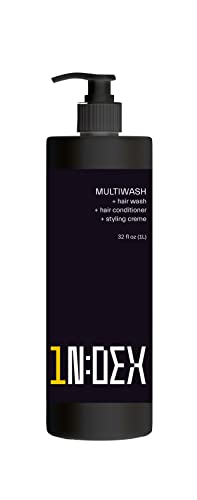
GENTLE HYDRATING ALL-IN-1 CONDITIONING-WASH - All-in-one cleansing conditioner makes it simple and easy to use. Scented with a mild and natural fragrance oil from the fruit of the sweet orange. Free of detergents, sulfates, and parabens.

Lightweight Hydration: Chamomile, lemon, and nettle extracts soothe the scalp and deeply condition hair.

Complete Curl Care & Styling Set: Includes CASSETTE Shampoo, Conditioner, and RING TONE Ultra Defining Gel Crème for hydrated, defined curls.
No-Poo: Key Benefits You Should Know
Ever feel like your hair is just not cooperating? Maybe it’s always greasy, or maybe it looks flat and lifeless. That’s where the no-poo method comes into play, and it could genuinely change your hair routine for the better.
This approach cuts down on shampoo, meaning you’re avoiding those harsh chemicals that can mess with your hair and scalp health. By doing this, your hair learns to manage its oil production better. You’ll start to see your scalp embracing its natural oils, leading to shinier and more manageable locks. Plus, a lot of people find they gain volume and an improved texture as they ditch the buildup caused by traditional hair products.
Let’s be honest: you might hit a rough patch at first. That initial greasy phase? It’s just your scalp getting back to its natural rhythm. It can be frustrating, but hang in there! The good news is that over time, you’ll notice your hair becoming healthier overall.
And there’s another upside: by using less shampoo and cutting out extra plastic waste from bottles, you’re also making a nice contribution to the planet. Many who adopt this method also switch to zero waste conditioners to further reduce environmental impact while maintaining hair care quality.
Recommended Products

DETERGENT-FREE SHAMPOO ALTERNATIVE – New Wash Original is a revolutionary vegan cleansing and conditioning cream that replaces both shampoo and conditioner; no sulfates, no SLS, no parabens — just naturally derived essential oils that remove buildup without stripping your scalp's protective oils

DETERGENT-FREE SHAMPOO FOR THICK AND CURLY HAIR – New Wash Rich is a deeply moisturizing cleansing cream formulated for thick, coarse, dry and curly hair; replaces both shampoo and conditioner with one sulfate-free step that cleanses without stripping essential moisture

Gently cleanses, adds shine, controls frizz and reduces frizz, rinses clean from hair with no buildup & improves manageability and combability
Debunk Misconceptions About No-Poo

Have you ever worried that switching to the no-poo method might leave your hair looking greasy? It’s a common concern, but the truth is that your scalp can adjust over time, balancing oil production. You might have heard some misconceptions about no-poo, like the idea that your hair won’t get clean without regular shampoo. Here’s the trick: natural alternatives like apple cider vinegar and baking soda can do the job just fine!
You might wonder if no-poo could harm your scalp. Honestly, it’s quite the opposite—this method can actually help maintain your scalp’s natural health, steering clear of harsh chemicals that many shampoos contain. Curious about its effects on different hair types? Well, curly hair often thrives on a no-poo routine. Not every hair type needs the same care after all; what’s beneficial for one may not be necessary for another.
Truth is, just because your hair doesn’t have a strong fragrance doesn’t mean it’s not clean. Those natural oils can still give your locks a healthy shine! If you’re considering giving no-poo a try, just remember that it might take some time for your hair to adjust. Many people find that switching to plastic-free conditioners complements the no-poo method by providing hydration without harsh chemicals or plastic waste.
Explore Effective No-Poo Methods
Ever feel like your hair just can’t catch a break? If you’re dealing with oily locks or product buildup, trying out some no-poo methods might be the answer. These alternatives are simpler and can lead to healthier hair without any harsh chemicals.
If you find your hair feeling greasy, here’s a trick: mix one tablespoon of baking soda with a cup of lukewarm water. This can really help lift product residue. Another option? A water-only wash. Just massaging your scalp can spread those natural oils throughout, especially if you’re not using a lot of products.
And don’t underestimate apple cider vinegar! When you dilute it with three to four parts water, it can work wonders as a scalp rinse. It’s great for managing oil and even adds some shine. So, why does this matter? Because you want your hair to look its best without all the extra junk.
For those struggling with dry hair, co-washing might be the solution. This simply means washing your hair with conditioner. It nourishes the hair without stripping away essential oils. It’s really refreshing, and you’ll feel the difference right away.
Feel free to mix and match these techniques. You might find that a personalized routine best suits your hair’s unique needs, leading to peak hair health.
In the end, experimenting with these methods can help you discover what truly works for your hair. What’s one simple change you can make to your routine this week? Many natural treatments, like those with essential oils, can also soothe the scalp and improve hair health.
Recommended Products

Apple Cider Vinegar Shampoo for Itchy Scalp and Product Build Up - Finally, a Detox that doesn’t suck. Get rid of product and hard water buildup, dirt and oil with this 1-2x week clarifying shampoo. Here's your fresh start, see you next week.
Apple Cider Vinegar Shampoo for Itchy Scalp and Product Build Up - Finally, a Detox that doesn’t suck. Get rid of product and hard water buildup, dirt and oil with this 1-2x week clarifying shampoo. Here's your fresh start, see you next week.
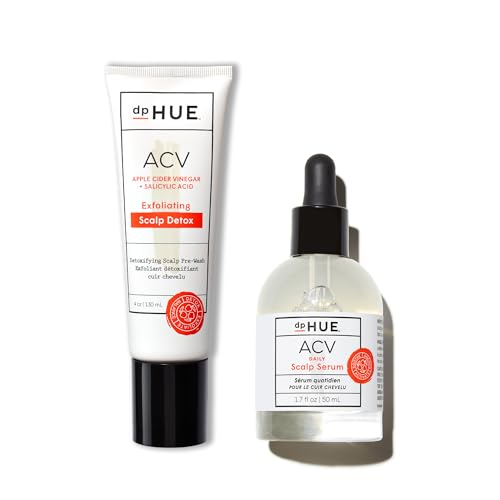
Daily Scalp Serum & Exfoliating Scalp Detox Bundle; This bundle includes one ACV Daily Scalp Serum (1.7 fl oz) and one ACV Exfoliating Scalp Detox (4 oz)
Managing Oil Production: Tips for the Transition
Shifting to a no-poo routine can feel like a real challenge, especially when your scalp is getting used to fewer washes. It’s pretty normal for your scalp to pump out more oil during this adjustment period, which usually lasts about two weeks. So, how do you handle that excess oil?
Start by gradually spacing out your washes. Aim for every 36 hours at first, then work your way to washing every 2-3 days. Here’s the trick: massaging your scalp with warm water can help distribute those oils and cut down on buildup. It really can smooth out this transition. Plus, consider giving diluted apple cider vinegar (ACV) rinses a shot. They can help with that greasy feeling and bring your scalp back into balance.
Now, keep in mind that oil production is different for everyone. For instance, fine hair tends to look greasier quicker than thicker or curlier types. It’s all about finding what works for your hair. Honestly, navigating this change together can make things feel a lot easier!
In short, remember that you’re not alone in this. Everyone’s hair journey is unique, and with a little patience, you can find your rhythm. What strategies have you tried when transitioning your hair care routine? Using containers made of BPA-free materials can also help maintain cleanliness during this transition period.
Recommended Products
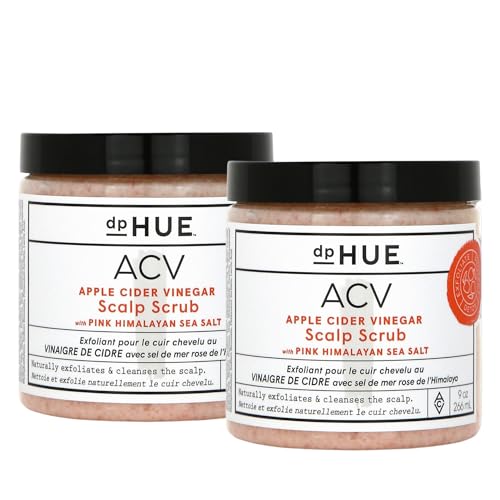
What Your Scalp's Been Missing; Our Himalayan Salt Scrub naturally exfoliates the scalp, removing product build-up, impurities, and dead skin cells

Complete Gray & Silver Hair Care Solution – Our powerful trio—Purple Toning Shampoo, Gray Hair Shampoo, and Vinegar Rinse Cleanser—works together to keep your gray, silver, or white hair vibrant, cool-toned, and full of life. Say goodbye to brassiness and dullness with a routine that truly delivers.

Hair Rinse + Exfoliating Scalp Detox Bundle; This bundle includes one Apple Cider Vinegar Hair Rinse (8.5 oz) and one ACV Exfoliating Scalp Detox (4 oz)
How to Fix Common No-Poo Problems
Have you recently decided to ditch the shampoo but found yourself hitting a few roadblocks? You’re not alone! Many folks experience challenges when transitioning to a no-poo lifestyle. If your hair’s feeling super greasy, it might be time to reach for some diluted apple cider vinegar rinses. They can help balance out your scalp’s oil production and get things back on track.
Dealing with more flakes than usual or itchy patches? That’s a common issue too. Regularly massaging your scalp can make a difference, and don’t underestimate the power of a good moisturizing treatment. Hair masks can provide that needed hydration and comfort.
Now, if you’re battling frizz or noticing weird changes in your hair texture, consider mixing up your cleansing routine. Try co-washing with silicone-free conditioners and see how your hair reacts. It might take some trial and error to find what really suits your locks.
Got persistent greasiness? It could be time to rethink how often you wash. Maybe stretching the time between washes will help your scalp adjust better. And honestly, look into community forums for support; they can be a goldmine of tips and shared experiences.
Incorporating hypoallergenic and biodegradable materials into your cleansing routine, such as bamboo face cloths, can also help minimize skin irritation during your no-poo transition.
Recommended Products

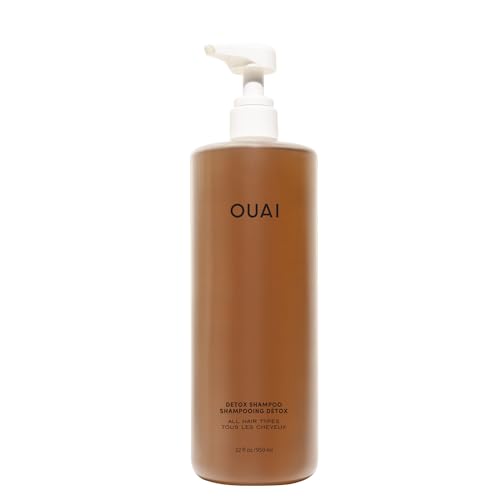
Send Dirt A-OUAI - Send dirt packing with this full-coverage scrubbing sensation and detox shampoo. Step out of the bath fully cleansed and ready for a fresh start.*

Don't Over Shampoo; ACV Hair Rinse Lite is formulated for fine hair to help remove impurities without stripping the natural oils that are essential to the health of your scalp & hair. Perfect for reducing shampoo use, it leaves hair clean & soft.

Six 11 oz. bottles of Avalon Organics Natural Smooth Shine Apple Cider Vinegar Shampoo
No-Poo Hair Care Tips: Maintaining Healthy Locks
After diving into the world of no-poo hair care, you might be wondering how to keep your locks looking healthy and vibrant. It can be a bit tricky, but a few simple tips can make all the difference.
First, when you’re washing your hair without shampoo, try to concentrate on your scalp while keeping the delicate ends out of the mix. This helps avoid that pesky oil buildup. A good conditioner, like the SheaMoisture Coconut Hibiscus Curl & Shine Conditioner, can work wonders for your ends, keeping them moisturized and frizz-free.
Also, think about your hair type. If you have fine hair, you may find that washing more frequently works better for you. On the other hand, if your hair is curly, you can probably get away with washing it less often. So, what’s your hair type saying about your washing routine?
And let’s not forget about protecting your hair when you hit the pool! Conditioning your hair before swimming or even wearing a swim cap can really shield your tresses from the harsh effects of chlorine and saltwater.
Incorporating gentle exfoliation into your routine, similar to using a bamboo bath brush for skin, can promote scalp circulation and healthy hair growth.
Keeping these tips in mind can make your no-poo journey a little smoother. So, what’s one thing you can try this week to keep your hair happy?
Join the No-Poo Community for Support
Have you ever thought about ditching traditional shampoo? Making the switch to no-poo can feel daunting at first, especially when you’re met with that pesky initial greasiness. But that’s where connecting with the no-poo community can really help. You’re not in this alone; plenty of others are on this journey with you, sharing their struggles and breakthroughs.
You might find people talking about their favorite methods, like co-washing with conditioner, or trying out baking soda and apple cider vinegar rinses. These conversations are a treasure trove of advice for maintaining a happy, healthy scalp. Plus, you get to share your own experiences, which feels pretty good when you’re facing those common challenges.
There’s real power in this community. Not only do you get practical tips, but you also gain access to DIY recipes and product suggestions that cater to different hair types. Everyone’s hair is unique, and it’s inspiring to see what others are experimenting with. Here’s the trick: Keeping a journal of your own no-poo journey can provide clarity. Documenting what works and what doesn’t makes it easier to find the right method for you.
Truth is, supporting each other through this transition makes it less intimidating. When times get tough, just remember that you’re part of a group that genuinely cares. So, why does this matter? Because together, you can motivate one another to stay committed to this exciting change.
If you’re considering making the switch, it might just be the right time. Embrace the support and let your hair’s natural beauty shine! What’s been your biggest hurdle when it comes to trying something new with your hair? Using natural and biodegradable products, such as those with plant-based ingredients, can also complement your no-poo routine for a healthier scalp and environment.
Long-Term Benefits of Embracing No-Poo
Have you ever felt like your hair just isn’t cooperating? If you’re tired of battling frizz, dullness, or all those product build-ups, it might be time to explore the no-poo method. When you stop using shampoo, your scalp has the chance to balance its natural oils, and that can lead to hair that’s not only healthier but also shinier.
One of the best parts? You’ll probably notice increased texture and volume as your hair stops losing those essential oils that traditional shampoos strip away. Plus, fewer irritations on your scalp mean less exposure to all those synthetic ingredients, which is definitely a win for your health.
Here’s a tip: cutting out commercial shampoos also helps reduce plastic waste. It’s a small change, but every little bit counts when it comes to our planet. Over time, you may find that you need fewer styling products. As your hair grows stronger, it usually becomes easier to manage with less fuss.
So, why does this matter? Think about how much money you spend on various shampoos and products every year. Simplifying your hair care routine not only saves money but also streamlines your mornings.
Honestly, making this switch can seem daunting at first, but the long-term benefits are worth it. If you’re looking for a sustainable and healthier approach to hair care, give the no-poo method a try. You might just find that your hair loves it! What would you like to see happen with your hair if you decide to embrace this change?
Additionally, adopting eco-friendly habits like using plant-based products can amplify the positive environmental impact of your new routine.
Frequently Asked Questions
How Long Does the No-Poo Transition Period Typically Last?
Typically, the no-poo shift period lasts about 2 to 6 weeks. We’ll face adjustment challenges, but with patience, natural products improve our hair health. Scalp care is key during these lifestyle changes and frequency concerns!
Can I Still Use Conditioner While Transitioning?
Yes, we can still use conditioner while changing! It helps with moisture retention and scalp health, easing the change challenges. Choosing natural products also supports hair growth and provides styling options for beautiful, healthy hair care.
Will My Hair Type Affect the No-Poo Process?
Absolutely, our hair type dances its own tune in the no-poo process. Curly hair may thrive, while oily scalps and fine strands could struggle. Damaged hair and color-treated locks also require special care during our journey.
What if I Experience Scalp Irritation During the Transition?
If we experience scalp irritation during the changeover, let’s prioritize scalp care with natural ingredients. We can explore irritation remedies, focus on moisture retention, and seek itch relief to maintain pH balance and achieve scalp balancing.
Are There Any Alternative Products to Use Instead of Shampoo?
Did you know 70% of people seek alternatives to traditional shampoo? We can try baking soda, apple cider vinegar, coconut milk, castile soap, aloe vera, tea tree, herbal rinses, or even egg yolk for cleansing!