As an Amazon Associate, we earn from qualifying purchases. Some links on this site are affiliate links at no extra cost to you. Our recommendations are based on thorough research and editorial judgment.

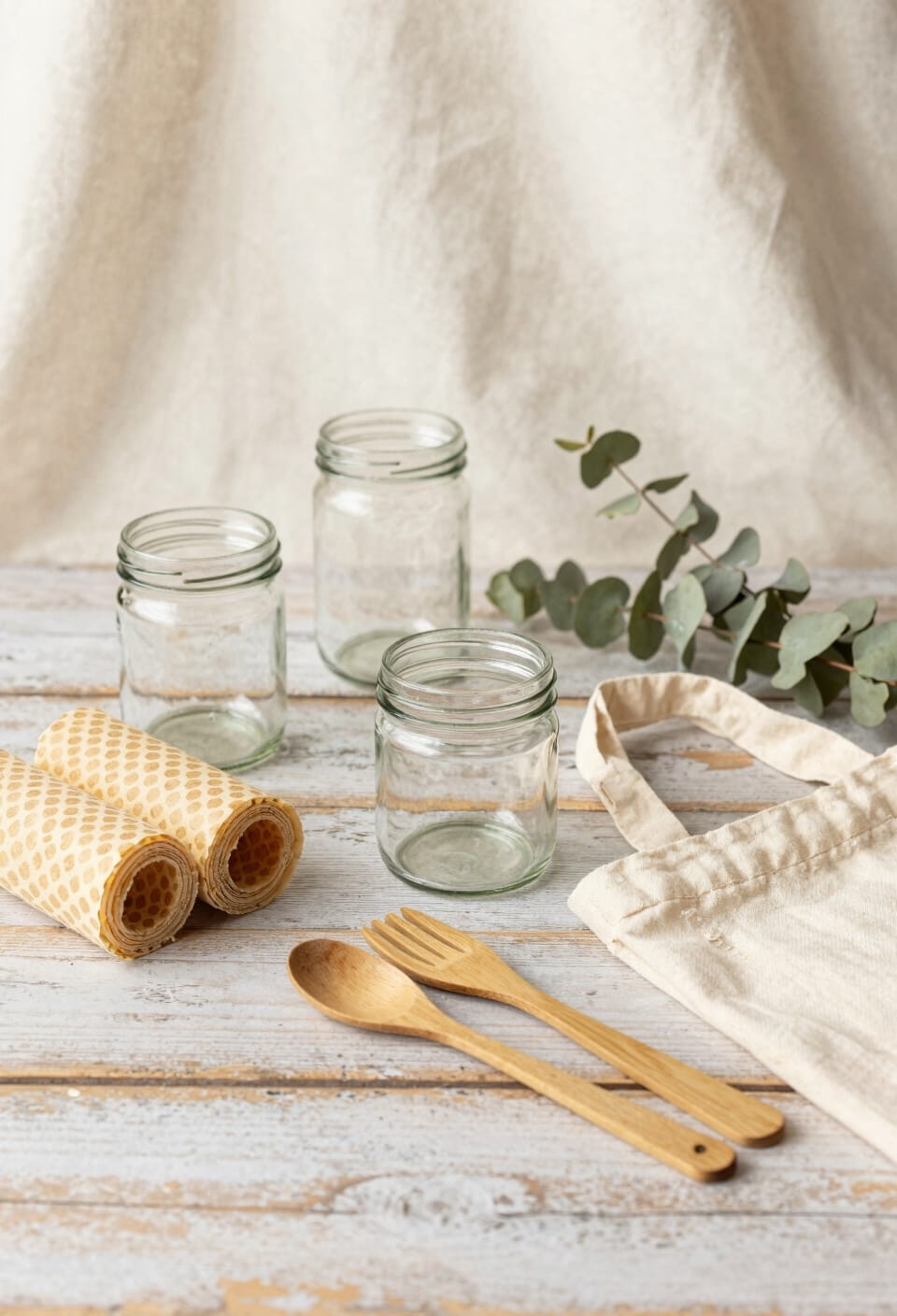
A 7-Day Zero-Waste Reset: Daily Tasks That Build Momentum

Have you ever looked around and thought about all the waste we create? It’s eye-opening. Let’s start a 7-day zero-waste reset together! By honestly assessing our waste, we can find areas that we can improve on.
One of the first things you can do is declutter your space. It’s refreshing to get rid of what you don’t need, and it sets the stage for a fresh start.
Consider setting up a compost system if you haven’t already. Not only does it cut down on food waste, but it’s also great for the environment.
Crafting reusable items can be a fun project too. Using organic cotton or other materials, you can make things like reusable tote bags or wraps.
Planning your meals mindfully can make a big difference as well. Think about how often you pick up takeout—it’s easy but often laden with waste.
When shopping, let’s be conscious about what we choose. Avoiding single-use plastics is crucial. Instead, try bringing your own containers for snacks or opting for bulk items.
These small steps add up and build real momentum towards a more sustainable lifestyle.
So, how does this resonate with you? Maybe it feels overwhelming at first, but trust that each little action matters.
In the end, it’s about what you can do today to be a little more mindful. What will you tackle first in your zero-waste journey?
Key Takeaways
- Conduct a Waste Audit: Spend Day 1 assessing waste habits to identify areas for reduction and set achievable goals for the week ahead.
- Shop Sustainably: On Day 2, create a shopping list using seasonal produce and opt for bulk items with minimal packaging to reduce waste.
- Implement Composting: Day 3 focuses on setting up a compost system, using a mix of greens and browns to divert organic waste from landfills.
- Declutter Mindfully: Dedicate Day 4 to decluttering a specific area using the four-box method to simplify decision-making and make room for sustainable choices.
- Track Progress: On Day 7, reflect on the week’s achievements, review goals, and visualize your zero-waste journey with a minimal waste jar for motivation.
How a Zero-Waste Lifestyle Can Transform Daily Living

Living a zero-waste lifestyle can feel daunting at first, but it doesn’t have to be. Many people think transforming your habits is a chore, but what if I told you it can actually be pretty rewarding? For starters, composting your organic waste can help divert about 30% of your household trash from ending up in landfills. Not only does this cut down on waste, but it also gives back to the earth by enriching soil for gardening.
Think about the single-use items you throw away every day. By switching to reusable products, like stainless steel water bottles, cloth bags, or beeswax wraps, you’re saving countless pieces of plastic from polluting our planet. Seriously, it adds up! Want to make this change? Here’s the trick: concentrate on the “5 R’s”—Refuse, Reduce, Reuse, Recycle, and Rot. This approach gives you a solid roadmap for tackling your waste.
You might wonder, what’s the real impact of this lifestyle shift? Frankly, not only are you cutting back on waste, but you’re also enriching your well-being and creating a deeper connection with your environment. It’s about living more mindfully.
The best part? You don’t have to jump in all at once. Start small, maybe with a compost bin or adopting a reusable grocery bag. With each step, you’re contributing to a healthier planet and a more sustainable way of living. Choosing a compost bin made from eco-friendly materials can enhance your zero-waste efforts while supporting sustainability.
Take Stock of Your Waste and Find Key Issues

Have you ever taken a close look at the waste you create? Adding up all the trash in your life can actually be pretty eye-opening. A great way to kick this off is by doing a waste audit. You’ll want to spend a week tracking items like single-use plastics, food scraps, and anything else that can’t be recycled. Yes, it might take a little time, but trust me, it’s worth it. You’ll pinpoint crucial areas where you can cut back.
Get everyone in your household involved; it makes a difference. By keeping tabs on daily habits, you’ll quickly grasp which items can be swapped out or removed altogether. After the audit, set some realistic goals. For example, why not aim to reduce food waste by 50% with smart meal planning?
Researching your local recycling and composting guidelines is another piece of the puzzle. The more you know, the better choices you can make to keep waste out of landfills. Honestly, it all boils down to making small, informed decisions every day. One easy swap you might consider is replacing single-use plastic cutlery with bamboo camping cutlery, which is both compostable and durable.
So, what’s one change you can make this week to get started?
Declutter Your Space for a Fresh Start

Decluttering can feel like a mountain of a task, especially when you’re constantly faced with more stuff coming in. So, where do you start? Try tackling just one room or area each day. Spending around 15 minutes on it can keep you from feeling overwhelmed.
Here’s the trick: use the four-box method. Grab four boxes and label them—keep, donate, recycle, and trash. This makes decision-making smoother and you won’t waste time wondering what to do with each item.
And let’s talk about the “one in, one out” rule. For every new item you bring home, consider donating or recycling something you no longer need. This simple guideline can help you maintain that balance you’re aiming for. So, why is keeping things in check important? A clutter-free space can clear your mind, too.
Don’t forget to reassess your belongings every few months. It’s a good way to keep your environment fresh and it supports sustainable living. Honestly, just a consistent check-in can make a world of difference.
In fact, choosing products with environmental certifications ensures your efforts align with true eco-friendliness.
In the end, decluttering is all about finding what works best for you. How do you plan to start your decluttering journey?
Set Up a Compost System to Cut Organic Waste
Have you ever thought about how much organic waste you toss in the trash each week? It can feel a bit overwhelming, especially when you realize that you could cut that down by as much as 30% just by setting up a compost system at home. Not only does composting help diminish your waste, but it also adds valuable nutrients to your garden, making it a win-win for you and the environment.
So, what do you need to get started? First, you’ll want to gather a mix of greens and browns. Think of greens as all your fruit and vegetable scraps, and browns as dry leaves or cardboard. Aim for a 2:1 ratio of brown to green materials to keep everything balanced. Finding a good spot for your compost bin is crucial. Look for a shady area near a water source, where it can breathe and break down nicely.
Here’s the trick: turn your compost regularly. This keeps the air flowing through it, speeding up decomposition. With a little attention, you could have your finished compost in as little as 2 to 6 months, ready to enrich your soil. Isn’t it amazing how something that was once waste can become a powerhouse for your plants?
The best part is, when you nurture your compost pile, you’re not just improving your garden—you’re also contributing to a healthier planet. Incorporating eco-friendly practices like using biodegradable packaging aligns well with reducing your overall waste footprint. So, why does this matter? Each small change, like composting, is a step towards a more sustainable lifestyle. It’s not just about cutting down waste; it’s about resetting your relationship with how you view food and the environment.
In the end, composting doesn’t have to be complicated. With a little effort, you can transform your organic waste into something truly beneficial. Have you thought about giving it a try?
Craft Reusable Zero-Waste Items for Everyday Use
Are you feeling overwhelmed by all the waste we create every day? You’re not alone! A simple way to tackle this problem is by crafting reusable zero-waste items right at home.
Think about it—cloth bags and beeswax wraps made from cotton or linen can make your life easier and friendlier to the planet. Plus, you can often find these materials in sustainable shops! Another option to consider is silicone food storage bags. Not only are they durable and long-lasting, but they’ll also help cut down on that never-ending pile of single-use plastics we’ve all seen.
Worried about the cost? Don’t be! Over time, making these homemade items will actually save you money. You can customize them exactly to your needs, which makes them even more useful. So why does this matter? By using compostable sponges or dishcloths made from natural fibers in your kitchen, you’re not just reducing waste; you’re making a personal statement about the values that matter to you.
Here’s the trick: Crafting these items can spark your creativity. Engaging in this kind of DIY not only gives you unique creations but also encourages friends and family to join in. You’ll be amazed at how a small, intentional change in your daily routine can inspire others in your community to take action too.
Plan Your Meals Mindfully to Reduce Waste
Do you ever find yourself tossing out food that’s gone bad before you even had the chance to use it? Planning meals mindfully can play a huge role in reducing that dreaded food waste. When you create a weekly menu, you can actually cut down on food waste by as much as 50%. That means less guilt over wasted groceries!
One of the easiest ways to stay on track is by keeping an organized inventory of your pantry and fridge. Marking expiration dates can save you from that sad moment when you discover spoiled food. Honestly, it’s super helpful to know what you have on hand before grocery shopping. This way, you’re not buying more than you need and you can prioritize using what’s about to go bad.
Batch cooking is another trick that really works. Instead of cooking small amounts of ingredients every day, try prepping larger portions all at once. This not only saves time but also stops you from letting extra food go to waste. You’re likely to have leftovers, and instead of letting them sit in the fridge until they’re forgotten, you can easily transform them into new meals. It keeps things interesting in the kitchen – and helps you eat all your food!
Incorporating seasonal produce is a fantastic way to both reduce waste and enjoy fresh flavors. It’s usually cheaper and tastes better, plus it lessens your carbon footprint. So, why not check out local markets or farms? You might discover new favorites that you didn’t know about!
At the end of the day, planning meals mindfully truly can lead to a more sustainable lifestyle. By taking a moment to think about what you’re cooking and how it fits into your week, you’ll find that waste can drop significantly. Using durable, reusable products like food-grade stainless steel straws can complement your zero-waste efforts in the kitchen and beyond. Let’s make a conscious effort together—what delicious meals can you plan to reduce waste this week?
Shop Consciously to Steer Clear of Single-Use Plastics
Have you ever looked around your kitchen and been shocked by how much plastic is just hanging out? It’s everywhere, isn’t it? Ditching single-use plastics while shopping can feel overwhelming, but small, mindful changes can create a significant difference for our planet.
Try this: next time you head to the store, grab reusable bags made from cotton or jute. Those flimsy plastic ones just aren’t cutting it anymore, and you’ll feel better bringing in something sturdy. Also, think about what you’re buying. Products in glass or metal containers not only look nicer but help you reduce plastic waste, too.
The best part is, when you shop, check the ingredient lists and aim for items that come in bulk. This not only helps you save money, but it also cuts down on unnecessary packaging. And hey, why not bring your own containers for fresh produce and deli items? You can completely skip plastic wrap that way.
Have you ever visited a local farmers’ market? They often offer so many sustainable choices, and you might even find some fresh produce that doesn’t come wrapped in plastic.
Using organic cotton shopping bags is a simple way to replace single-use plastic bags while supporting sustainable farming practices.
Honestly, every little bit helps when it comes to reducing our reliance on single-use plastics. Let’s remember, making conscious purchases can lead to a healthier planet. What changes are you willing to make on your next shopping trip?
Reflect on Your Zero-Waste Journey and Set Future Goals
Have you ever stopped to think about how much waste you create daily? It’s a tough pill to swallow, but reflecting on our zero-waste journey can really highlight both the progress we’ve made and the changes we still need to make. Sure, you might feel good about cutting down your landfill contributions by 80%, but there are always new challenges waiting for us.
Sometimes, it helps to break it down into specific goals. For instance, are you still relying on single-use plastics? You’re not alone; many of us are. Here are some practical steps you can take right now:
- Switch to reusable products like stainless steel straws and cloth bags.
- Start tracking your waste to notice patterns—this can reveal surprising areas for improvement.
- Consider composting your organic waste; it’s easier than you think and really beneficial.
Engaging with your community can also be a great motivator. Joining local clean-up events or sustainability initiatives can lift your spirits and keep you committed. Plus, seeing others take action can inspire you to step up your own efforts.
Wanna keep your motivation high? Try visualizing your goals. For example, you could maintain a minimal waste jar to see how far you’ve come. Honestly, it’s motivating to see your waste shrink over time.
You might also want to incorporate compostable toothbrushes into your routine to reduce plastic waste from daily oral care products.
Frequently Asked Questions
What Are the 7 Habits That Will Change Your Life Forever?
Imagine shedding old skin like a snake. For us, habit transformation means embracing mindfulness, gratitude, organization, sustainable living, lifelong learning, healthy eating, and community connection. Let’s commence on this journey together and change our lives forever!
How to Improve Your Life in 7 Days?
To improve our lives in seven days, let’s focus on mindful choices. By evaluating our daily habits, supporting sustainable practices, and sharing experiences with each other, we can create meaningful changes that last beyond this week.
What Are the 7 Steps in Changing Your Life?
Imagine reinventing ourselves within a week! To spark this life transformation, we’ll track our routines, clarify our goals, prioritize effectively, build habits, embrace self-education, restructure our days, and create a solid plan. Let’s get started!
What Are 5 Habits That Can Improve My Life?
We can improve our lives by embracing mindful eating, meal prepping, using reusables, composting, thrifting, and practicing intentional consumption. These habits not only enhance our well-being but also positively impact the environment around us.


