As an Amazon Associate, we earn from qualifying purchases. Some links on this site are affiliate links at no extra cost to you. Our recommendations are based on thorough research and editorial judgment.


How to Reduce Packaging Without Going “All or Nothing

Ever feel overwhelmed by all the packaging that comes with our groceries? You’re not alone.
The good news is, you can cut down on that waste without doing a total overhaul of your life.
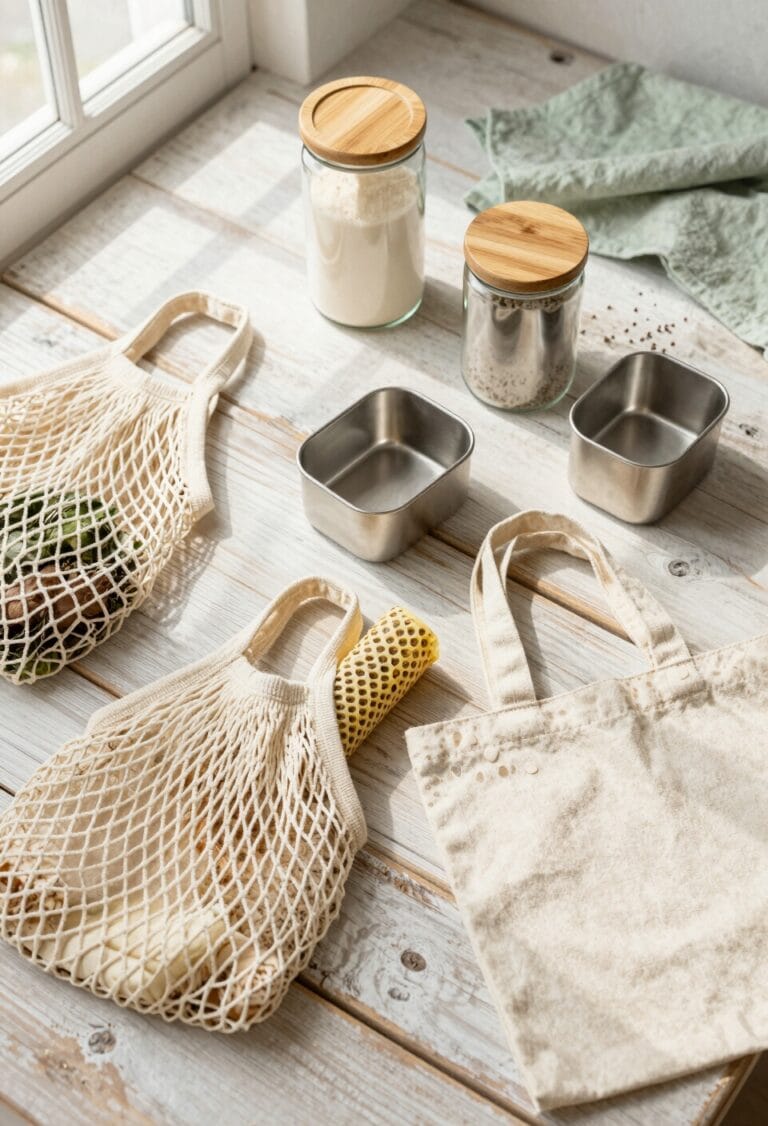
Try this: When you hit the grocery store, swap out plastic bags for some sturdy reusable ones. Plus, go for those loose fruits and veggies instead of the ones wrapped up like they’re going on a trip.
It’s amazing how much plastic you can save with just a few small choices.
Buying in bulk is another easy win. You not only save on excess packaging, but also save yourself some money in the long run.
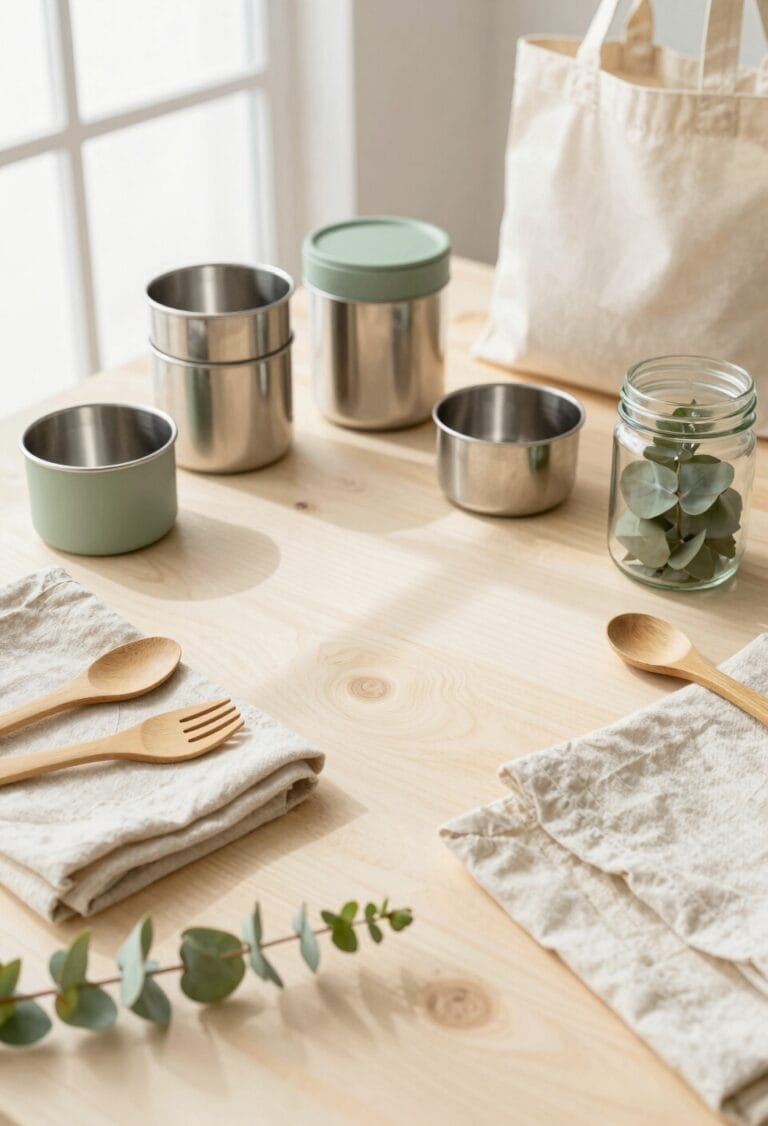
And if you’re looking for storage solutions, glass or stainless steel containers are a great way to keep your food fresh without the plastic.
Supporting local farmers’ markets is another smart move. Not only does it cut down on packaging, but it also brings you closer to your community and provides fresher options.
So, why does this matter? Each small change you make can create a big impact over time.
The best part is, even these little tweaks can lead to a more sustainable lifestyle.
So, if you’re feeling stuck, remember that making one small change today can lead to a healthier planet tomorrow.
What will your first step be?
Key Takeaways
- Start by replacing a few single-use plastics, like shopping bags, with reusable options to gradually reduce waste.
- Choose to buy loose fruits and vegetables instead of pre-packaged items whenever possible to save on packaging.
- Bring your own containers for bulk grains, nuts, and snacks, allowing you to lessen waste while saving money.
- Incorporate reusable storage solutions, like glass jars, into your routine to minimize food packaging waste over time.
- Engage in community initiatives, such as local farmers’ markets and refill stations, to promote sustainable purchasing habits.
Small Steps to Reduce Packaging Waste at Home

Have you ever stopped to think about how much packaging you throw away every week? It can feel like a lot, right? But taking just a few small steps can really help lessen that waste at home.
Try this: ditch those single-use plastic bags and opt for reusable ones when you go grocery shopping. It’s an easy switch that makes a difference. When you’re picking out fruits and veggies, go for the loose ones instead of the pre-packaged kinds. You’ll cut down on unnecessary waste and likely save some cash in the process.
Buying in bulk is another practical move. Bring your own containers to refill stations for dry goods like grains and nuts. It’s a great way to stock up without all that extra packaging clutter. Once you’re back home, think about how you store things. Using glass jars or reusable containers for liquids can really cut down on landfill waste.
And let’s be real—how many times do we toss out products before they’re truly empty? Squeeze that tube, scrape the bottom of that container! You can be surprised at how much more you could get out of items you wouldn’t normally think twice about.
Additionally, choosing items with environmental certifications ensures you are supporting products that break down safely and sustainably.
Each little step counts. So, why not give these changes a shot? With just a bit of effort, you can make your home a little greener! What’s one change you think you could start with today?
Sustainable Choices for Grocery Shopping
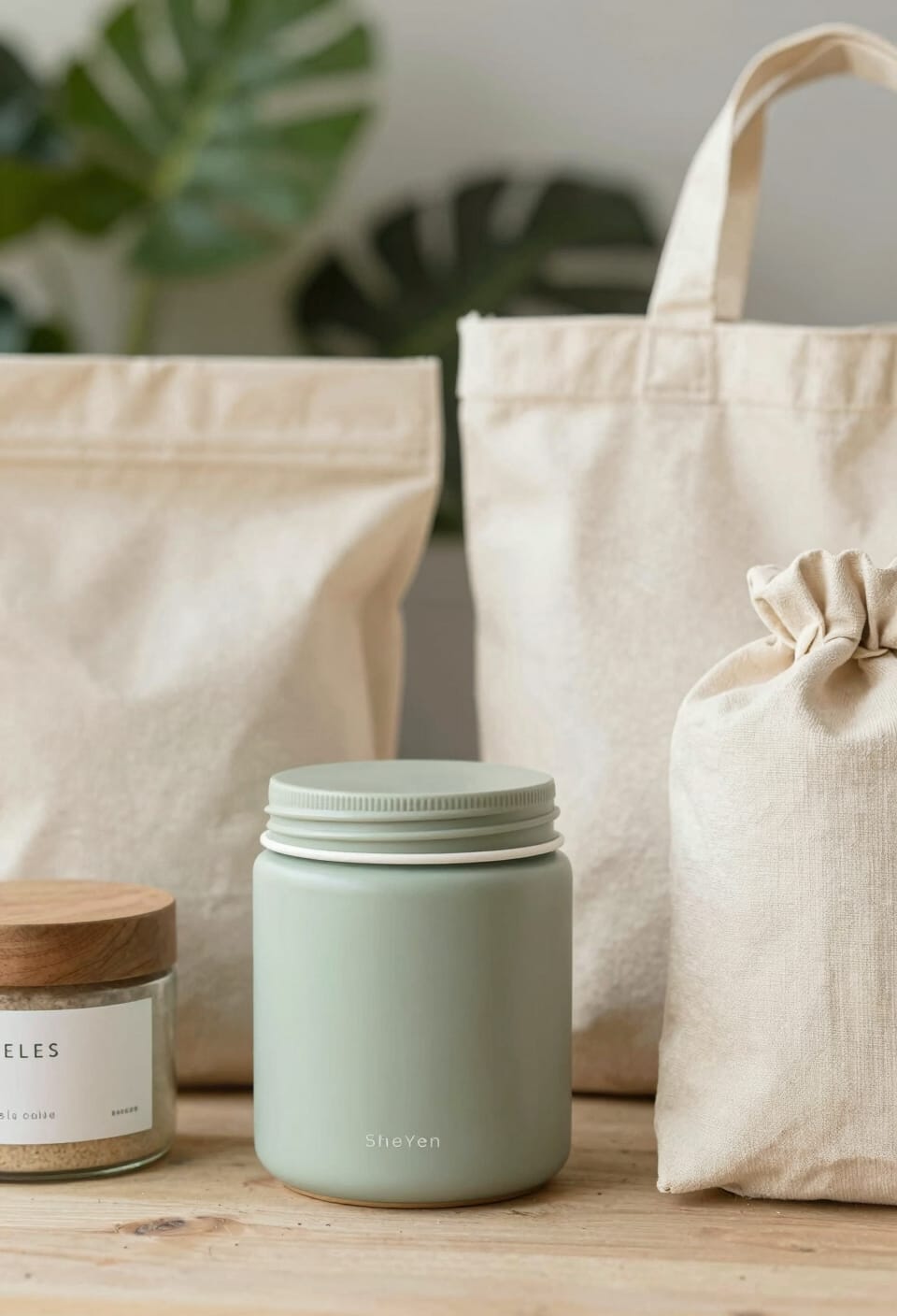
Have you ever stopped to think about how your grocery shopping habits can affect the environment? It’s easy to overlook, but those choices do matter! One of the easiest ways to cut down on waste is to buy loose fruits and veggies instead of the pre-packaged ones you often find at the store. Not only do they usually come without all that excess plastic, but they’re often fresher, too.
Don’t forget to bring your own bags. It may seem small, but bringing reusable bags for both your produce and bulk items can really reduce the plastic coming from the store. It’s a simple switch that you can make right away.
Another tip? Buy in bulk! Try this: fill up your own containers when you pick up grains, nuts, or snacks. This strategy doesn’t just save money, it also helps keep waste down since you’re skipping the unnecessary packaging.
You might also want to consider dairy options in reusable glass containers. There are brands, like Maple Hill Creamery, that offer products this way. Not only does it help minimize waste, but it’s also a way to support more sustainable businesses. Honestly, it’s a win-win situation.
Refill shops are another terrific way to get those daily necessities without all the extra packaging. Imagine walking in with your own containers and leaving with exactly what you need—no more, no less.
One more sustainable swap is using plastic-free toilet paper, which reduces plastic waste and supports environmentally friendly practices.
So, why does any of this matter? Every small change you make in your grocery shopping can lead to a healthier planet. The best part is, these choices can become part of your routine without too much effort.
Recommended Products
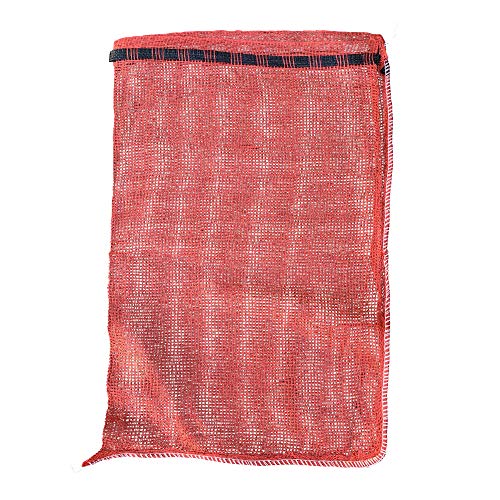
LARGE 15" X 25 INCH MESH BAG - Made of industrial grade polypropylene with reinforced seams for a stronger bag

SET INCLUDES: 3.5" Paring Knife, 5" Utility Knife, 8" Chef's Knife, 9" Slicing Knife, 9" Bread Knife, 12" Steel, and Block

Realistic Airway Management Trainer – This adult intubation manikin kit is designed around human anatomy, with detailed oral and nasal structures, including the epiglottis and vocal cords, for realistic intubation practice. Compatible with video laryngoscopes for visualized airway training
The Importance of Reusable Containers in Daily Life
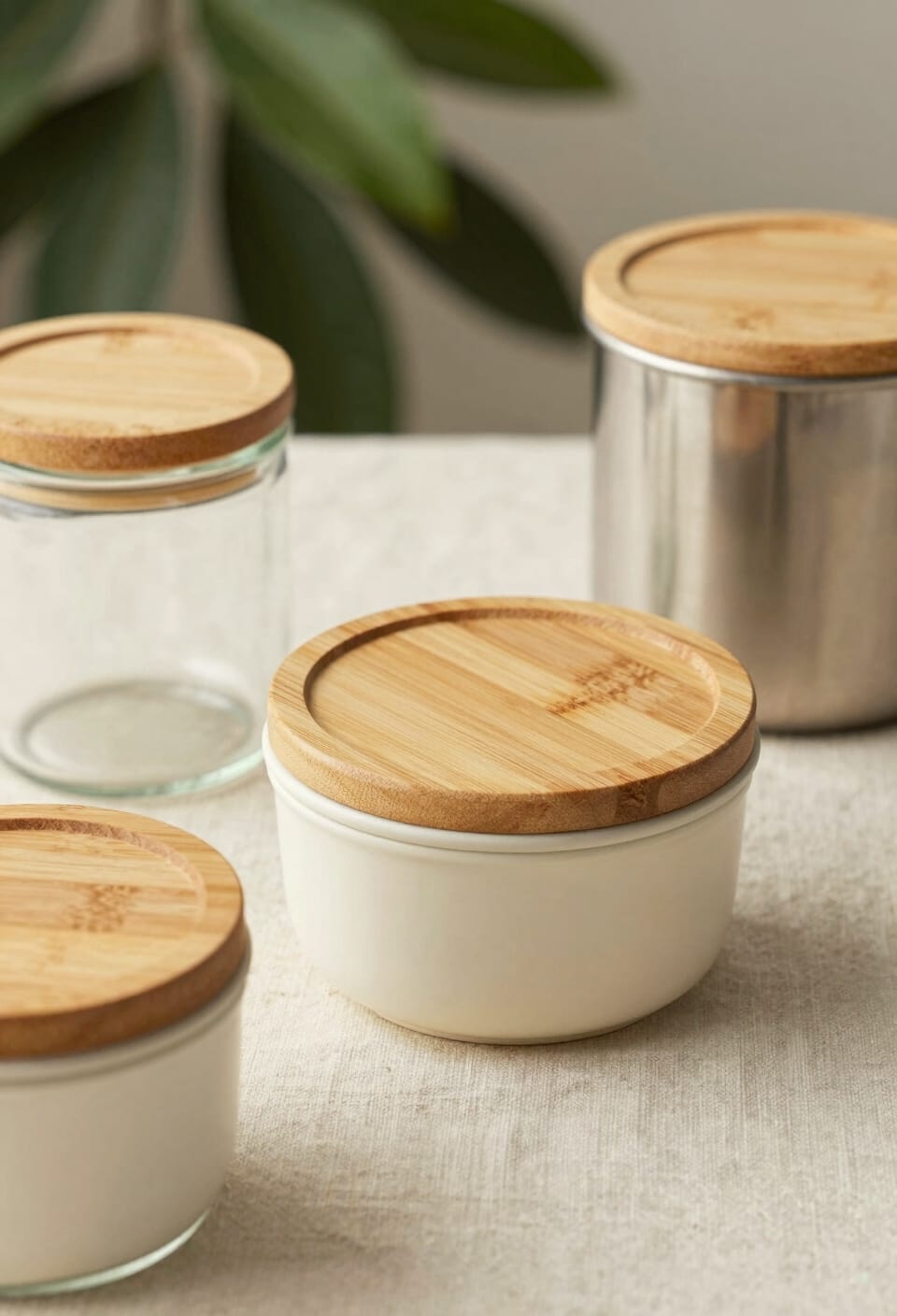
Ever thought about how much waste we generate just from food packaging? It’s pretty shocking! But here’s some good news: if you’re looking for a simple way to cut down on that waste, reusable containers could be your answer. More and more people are making the switch, with one in four of us now opting for options like glass or stainless steel containers from brands like Pyrex or Stasher.
By swapping out those single-use plastic containers for reusables, you’re not just reducing waste; you’re also making your life a bit easier. Seriously, think about how often you buy in bulk. When you use reusable containers, you save money in the long run and keep your food fresh and organized. Plus, it’s a small step toward lowering your carbon footprint. So, why does this matter? Each reusable container you choose can help eliminate thousands of plastic products from your kitchen over time.
Silicone snack bags are another excellent alternative, offering leak-proof features and temperature resistance for versatile food storage.
So, here’s the trick: start small. Maybe choose a few glass or stainless steel containers to replace your most used plastic ones. The best part is, by making these little changes, you’re actively helping to cut down on fossil fuel consumption and greenhouse gases. It’s a win-win for your wallet and the planet.
To wrap it up, embracing reusable containers isn’t just an eco-friendly option; it’s a practical one too. Are you ready to make the switch and join the movement for a cleaner, greener future?
Recommended Products

Bottom flange has a finely ground finish to assure tight sealing with ground glass plates

𝗦𝗰𝗲𝗻𝘁 - 𝗣𝗿𝗼𝗼𝗳, 𝗔𝗶𝗿𝘁𝗶𝗴𝗵𝘁 𝗮𝗻𝗱 𝗟𝗲𝗮𝗸 𝗣𝗿𝗼𝗼𝗳 : Heavy durable ultraviolet glass locks in aroma with airtight BPA free plastic lid. Insurance against the potency of your goods from leaking. Apothecary jars are good for long term storage.Our Sleek design jars come with an airtight seal with a tightly fitting black glass lid.These miron jars have substantive size, and they can easily fit a variety of organic and all-natural products.

3" round white matte labels (5,000 sheets – 30,000 labels): Printable medium white circle stickers with a matte finish for full-color customization; six labels per 8.5" x 11" sheet; compatible with inkjet and laser printers
How Local Markets Support Eco-Friendly Practices
Supporting local markets is not just about keeping our communities strong; it also helps foster eco-friendly habits. Have you ever thought about how your shopping choices impact the environment? When you pop into a local farmers’ market, you’ll notice a vibe that encourages using reusable bags and containers. This simple action makes a big difference in cutting down on single-use packaging waste.
Many vendors sell loose fruits and vegetables, so you can buy exactly what you need without any unnecessary packaging. And while you’re there, you might spot refill shops nearby where you can stock up on bulk items using your own containers. The best part is all the educational initiatives at these markets—they offer great tips on responsible consumption, steering you towards making better shopping decisions.
So, why does this matter? By supporting local markets, you’re not just getting fresh produce; you’re also promoting a culture of sustainability. Choosing products made from organic cotton and other natural materials is another way to enhance eco-friendly living. It’s not only good for the planet, but it also feels great to contribute! Let’s make eco-conscious choices together and enjoy the benefits of local shopping.
Alternative Packaging Options to Reduce Plastic Use
Have you ever really looked at the packaging our favorite products come in? It’s kind of wild when you think about it. The good news is, you can help make a difference just by choosing better packaging options. Biodegradable materials, like plant-based plastics or recycled paper, can significantly cut down on plastic waste. Plus, systems where you return and refill packaging keep about 90% of materials in circulation.
There’s a bunch of innovative packaging out there, and it’s worth checking out. Ever heard of mushroom-based packaging or seaweed films? They’re not just trendy; they work just as well as plastic and are compostable. Supporting companies that focus on minimalistic designs can also make a big impact since they cut down on packing materials. And then there are reusable containers—did you know that businesses using these can reduce their waste by over 50%? That’s pretty impressive!
Using eco-friendly materials like bamboo fiber and corn starch in packaging further promotes sustainability and reduces environmental impact.
So, why does this matter? Every time you make a conscious choice, you’re sending a message to companies that eco-friendly packaging is important to you. By working together, we can lessen our impact on the planet and enjoy the products we love without the guilt hanging over us.
In the end, it all boils down to being mindful of our choices. What small steps can you take today to support a greener future?
Recommended Products

3200-Pack Kraft Sandwich Bags: Our value pack comes with 3200 kraft paper bags and white round stickers to seal the bags. Dimensions: 8” Length x 6” Width x 1” Gusset Width. Made of 100% chlorine-free recycled natural kraft paper, our kraft brown bags are perfect for sandwiches, cookies, pastries, pretzels, and more!


【COMPOSTABLE MATERIALS FOR ECO-CONSCIOUS CHOICES】 - Made from thoughtfully selected materials designed for efficient breakdown under composting conditions, supporting environmentally responsible practices.
Effective Strategies for Businesses to Minimize Waste
When it comes to running a business these days, have you thought about how much waste is piling up? Not only does focusing on reducing waste protect the environment, but it can also help your finances. One smart move is to coordinate your shipments. Instead of sending out several small packages, you can consolidate multiple purchases into fewer shipments. This can significantly reduce both packaging waste and transportation emissions.
Here’s the trick: get your team to adopt better packaging techniques. This means making the most of the materials you’re using to ship your products. Automated dispensing systems can be a huge help here, ensuring that every package is neat and precise, cutting down on any unnecessary waste. Plus, consumers today are leaning heavily towards businesses that use sustainable materials. Switching to paper-based packaging can meet that demand while still being effective, often outdoing plastic options.
Have you ever tried testing different packaging materials? It can really pay off, allowing you to protect your items without using excessive bulk. By taking these steps, you can really make a difference in minimizing waste and supporting our planet. Choosing packaging made from biodegradable or compostable materials further reduces environmental impact and aligns with zero-waste goals.
Recommended Products

Protective Shield: The plastic wrap for moving acts as a protective barrier, shielding your belongings from dust, stains, scratches, and scuffs without leaving any residue behind.


INNOVATIVE CUSHIONING MATERIAL, BOX FILLER: The only authentic, 100% ORIGINAL HexaFil honeycomb packing paper. Proudly made in the US. Brown color. Size: 10 lbs kraft paper roll, 15-inch wide and 840 feet, in a recyclable self-dispensed box.
Engaging Your Community in Sustainability
How can we get our neighbors excited about sustainability? It can be tough to know where to start, but why not kick things off by hosting some local events? Picture this: a bulk-buying day where everyone stocks up on eco-friendly products or a fun swap event for reusable bags. These gatherings are perfect for sharing practical tips on using reusable containers while also building community spirit.
Another idea is to create a social media group. This can be a space to chat about our sustainability efforts, share successes, and keep each other motivated. Imagine posting challenges—like aiming to cut down on plastic use for a month! It might seem daunting, but with a little accountability from neighbors, it could make a big difference.
And let’s not forget about working with local businesses. You could partner with them to offer discounts for those who bring their own containers. It’s a win-win: customers save money and our community becomes more eco-conscious. Truth is, every little step counts.
Educational workshops are also a great avenue. Bringing in local vendors can give us insight into ways to reduce packaging and embrace a more sustainable lifestyle. You might even learn a nifty trick or two along the way!
Honestly, taking these steps together can transform sustainability from a personal journey into a community-focused mission. So, why not grab a few friends and start planning your first event? Together, we can really make an impact! Consider also incorporating biodegradable bamboo cutlery at these gatherings, as they offer an eco-friendly alternative to single-use plastics and support composting initiatives.
Innovative Trends in Eco-Friendly Packaging
Are you feeling overwhelmed by all the waste we create? It’s a big problem, and one area where we can make a difference is with the packaging of our products. Eco-friendly packaging is not just a fleeting trend—it’s changing the way we think about sustainability and it’s projected to reach $500 billion by 2027. That’s a lot of potential for positive change!
Biodegradable plastics made from plants are becoming more popular. They really do help lessen our impact on the environment while still performing well. Ever think about how much waste comes from packaging? Companies like Unilever are catching on when they embrace minimalist designs, cutting down their waste by as much as 30%. That’s a win for both the company and our planet!
Another cool option to consider is refill stations. They’re popping up all over, with more than 2,000 worldwide. Imagine being able to reuse your containers instead of tossing them out. That’s a simple change that can really minimize waste.
Smart packaging technology is also making waves. These packages come with sensors that track freshness, which can help you manage what you buy and cut down on spoiled food. So, why does this matter? Every little effort counts when it comes to keeping our planet healthy.
One practical step toward reducing plastic waste at home is switching to silicone produce bags, which offer a reusable and leak-proof alternative to single-use plastic bags.
Frankly, by leaning into these eco-friendly packaging innovations, you can contribute to a healthier environment. It’s all about making better choices as consumers. Remember, sustainability is a collective effort, and small steps can lead to big results. What eco-friendly changes will you make today?
Recommended Products

[WARM MASSAGE FOR COMFORTABLE PUMPING]: Unlike traditional pumps with constant suction, Wellness 1 wearable breast pump features a 360° heated flange with gentle vibration massage for a soothing, comfortable pumping experience, helping ease engorgement and support natural milk flow.

NIOSH-APPROVED: NIOSH, a USA federal government regulatory agency, has tested and approved the FF-400 with 3M cartridges, filters or supplied air systems to help reduce inhaling certain airborne contaminants. NIOSH approved with various 3M cartridges, filters and supplied air systems

Grip and Stabilize - Dycem no slip material is your solution to tumbling toddlers, off-balanced seniors, and slippery kitchen items. Wrap it around or put it under household items to prevent sliding. Great for dining, crafts, and more!
Why Should You Embrace Small Changes?
Have you ever thought about how much packaging waste you see every day? It can feel overwhelming, but making small changes really can lead to a big difference. Every positive shift often begins with just a few simple steps.
For instance, if you start using reusable bags and containers, you could reduce your plastic use by up to 30%. That’s a solid dent! Picking loose produce instead of pre-packaged items not only cuts down on waste but usually saves you some cash, too. On top of that, buying in bulk can help lower your packaging waste by around 50%.
So, how do you make these habits stick? Try this: be mindful of what you buy. Consider purchasing essentials only and really using up those items. Shifting towards eco-friendly practices, like grabbing refillable containers or shopping at local markets, can empower you to lessen your impact over time. Honestly, it feels good to know that each small step contributes to a bigger change. Using alternatives like washable vegetable bags helps maintain produce freshness while reducing packaging waste.
Let’s recap: small, manageable shifts can lead to a more sustainable lifestyle. What’s one small change you can make today?
Frequently Asked Questions
How Can You Reduce Packaging?
We can reduce packaging by making minimalist choices like bringing reusable bags, opting for loose produce, and buying in bulk. Embracing eco-friendly alternatives at local refill shops helps us support sustainability while cutting waste considerably.
What Are the 5 P’s of Packaging?
The 5 P’s of packaging are Product, Price, Place, Promotion, and People. Each element shapes our packaging design and influences consumer behavior, ensuring efficiency, affordability, engagement, and clarity in communicating our brand’s values.
How to Removing Excess Packaging?
We can remove excess packaging by choosing sustainable alternatives like loose produce and bulk items, embracing minimalist design. Let’s prioritize products with minimal packaging and refillable containers to lessen our environmental impact together.
What Are the 5 R’s of Sustainable Packaging?
Imagine a world where our packaging choices breathe life into the planet. The 5 R’s—Refuse, Reduce, Reuse, Recycle, Renew—guide us, emphasizing recyclable materials and biodegradable options that lighten our footprint and enrich the environment.