As an Amazon Associate, we earn from qualifying purchases. Some links on this site are affiliate links at no extra cost to you. Our recommendations are based on thorough research and editorial judgment.


How to Build a Zero-Waste Starter Kit Using What You Already Own

Looking to go zero-waste but not sure where to start? You’d be surprised at how much you can create a starter kit with items you likely already have at home.
First off, look in your kitchen. Those old glass jars from sauces or pickles? They’re perfect for bulk shopping to carry your grains and snacks without needing plastic bags. Got some old t-shirts lying around? Snip them up and turn them into reusable shopping bags. Using cloth napkins instead of paper is another simple swap that helps cut down on waste.
Take a peek at your utensils and containers as well—there might be things you can use to replace single-use plastics. If you have old fabric scraps, consider upcycling them into new items like produce bags or cleaning rags. It’s all about giving what you have a second chance, which not only reduces waste but can also spark some creativity.
So, why does this matter? Building a zero-waste kit isn’t just about saving the planet; it’s also about saving money and simplifying your life. The best part is, you can be part of the solution without spending a dime.
Next time you think about getting something new, pause and check what’s already lurking in your cupboards. You might just find that you have more than you realize!
Key Takeaways
- Start by collecting glass jars for bulk storage and meal prep, reducing the need for plastic containers.
- Repurpose old t-shirts into reusable shopping bags to replace single-use plastic bags.
- Use kitchen utensils and cloth napkins you already own instead of disposable items during meals.
- Gather fabric scraps or old towels to create cloth napkins and cleaning rags for everyday use.
- Identify any leftover travel-sized toiletries or reusable containers to minimize plastic waste on the go.
Understanding the Importance of Going Zero Waste

Have you ever thought about how much waste we create on a daily basis? It’s pretty staggering when you realize that only 9% of plastic waste actually gets recycled. It really makes you question your habits, doesn’t it? Embracing a zero waste lifestyle isn’t just a trend; it’s a necessary shift for our planet and future.
Many of us don’t realize how our choices affect the environment until we see the numbers. Did you know that over 100,000 marine animals die each year because of single-use plastics? This is a wake-up call for anyone who cares about our oceans and wildlife. When you make the switch to zero waste, you’re not just changing your lifestyle; you’re participating in something bigger than yourself.
So, what can you do? Start with some simple swaps in your daily routine:
- Choose reusable bags instead of plastic ones.
- Opt for glass containers over plastic for your leftovers.
- Bring your own coffee cup when you grab your morning drink.
These changes might seem small, but every little bit helps. Honestly, it’s about being more mindful of what we consume and how we dispose of it.
Another effective step is composting with natural accelerators that promote organic waste decomposition, reducing landfill impact and creating nutrient-rich soil.
Each step you take towards reducing waste can inspire those around you too. Just think—if we all made small adjustments, imagine the collective impact we could have!
To wrap it up, shifting towards a zero waste lifestyle not only benefits the environment but also supports sustainable practices in your community. So, what’s your next step? Let’s start making choices that lead to lasting change for us all.
Key Reusable Items to Start Your Zero Waste Kit Today
Have you ever felt overwhelmed by the amount of waste we generate every day? Starting a zero waste lifestyle can seem tough at first, but it’s really just about making some smarter choices little by little.
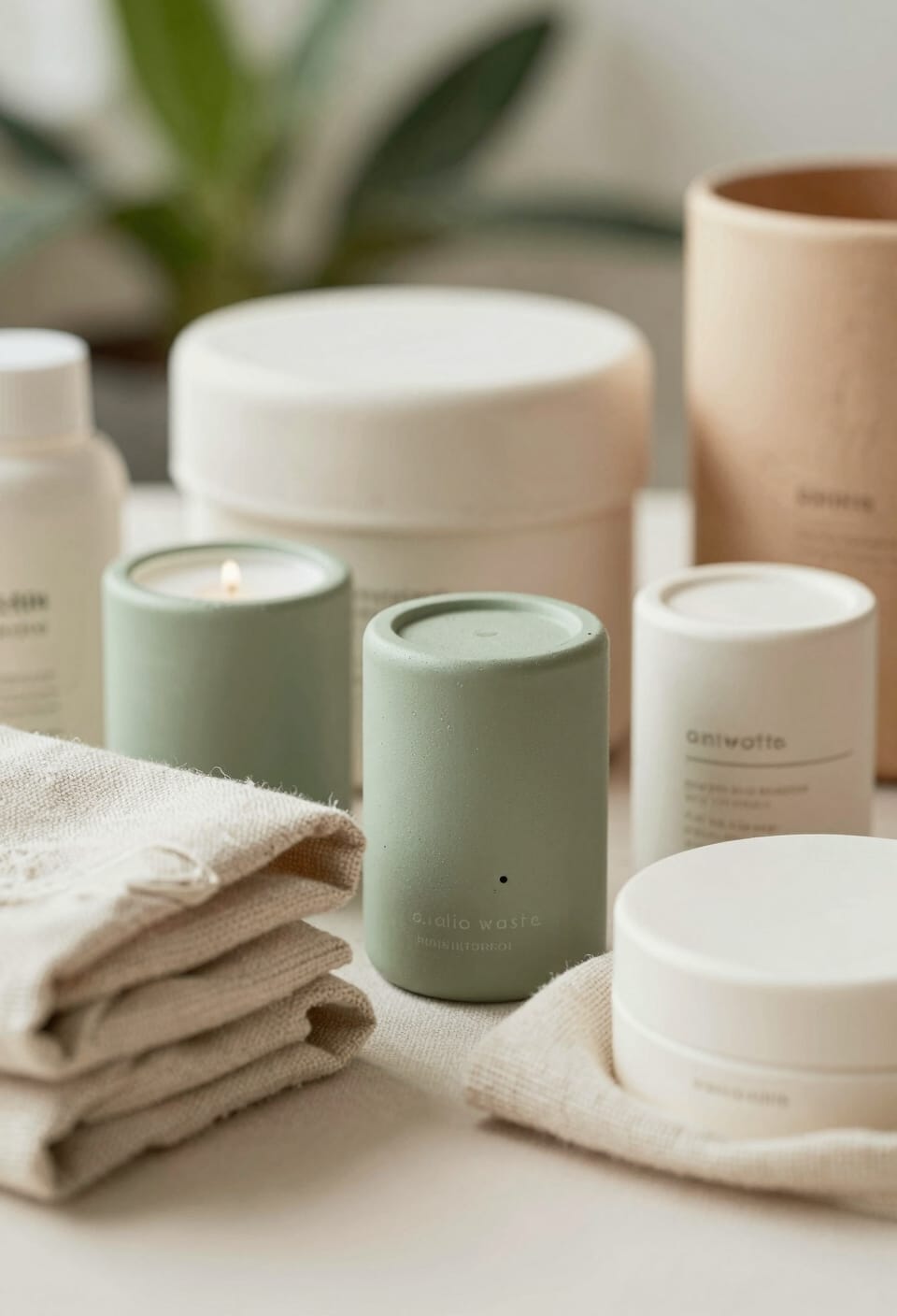
To begin your zero waste kit, grab a reusable water bottle or a glass jar. This step alone can drastically reduce your single-use plastic consumption. When you’re eating on the go, consider using utensils you already have in your kitchen instead of reaching for the disposable stuff. And if you want to keep things tidy, cloth napkins are an excellent substitute for paper ones. Got some old t-shirts lying around? They can easily be transformed into reusable bags for your shopping trips.
Another smart move is to collect glass jars from items you’ve bought before. These jars don’t just sit pretty; they can hold bulk foods or store your leftovers, making your meal prep not only eco-friendly but also more efficient.
Choosing heavy-duty reusable bags with reinforced handles can make carrying your groceries easier and reduce the chance of needing disposable bags.
So, why does this matter? Every small action adds up. Truth is, these simple changes can lead you on a fulfilling journey towards a more sustainable way of living.
Recommended Products

𝗦𝗰𝗲𝗻𝘁 - 𝗣𝗿𝗼𝗼𝗳, 𝗔𝗶𝗿𝘁𝗶𝗴𝗵𝘁 𝗮𝗻𝗱 𝗟𝗲𝗮𝗸 𝗣𝗿𝗼𝗼𝗳 : Heavy durable ultraviolet glass locks in aroma with airtight BPA free plastic lid. Insurance against the potency of your goods from leaking. Apothecary jars are good for long term storage.Our Sleek design jars come with an airtight seal with a tightly fitting black glass lid.These miron jars have substantive size, and they can easily fit a variety of organic and all-natural products.
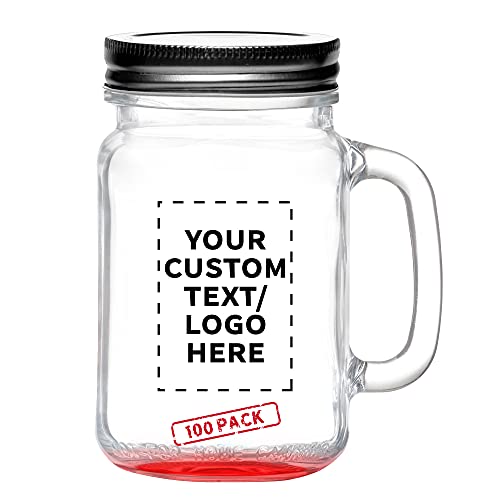
DURABLE - These 16 oz. Libbey mason jars are made of high quality durable material making them perfect for your favorite sweet tea, cold glass of water, or even a ice cold brew. These glass mason jars would be a perfect addition to your restaurant or bar.

𝗦𝘂𝗽𝗲𝗿𝗶𝗼𝗿 𝗨𝗩 𝗣𝗿𝗼𝘁𝗲𝗰𝘁𝗶𝗼𝗻 & 𝗔𝗿𝗼𝗺𝗮 𝗟𝗼𝗰𝗸: Made with laboratory-tested black ultraviolet glass that blocks harmful light to preserve potency and fragrance of dried goods and herbal blends
How to Audit Your Home for Zero Waste Essentials
Have you ever thought about what hidden gems might be tucked away in your home that could support your zero waste journey? It’s surprising how much we already have at our fingertips that can help reduce waste. Start by taking a look in your kitchen. Those glass jars from pasta sauces or jams make perfect storage for bulk goods. You can refill them with grains or snacks instead of buying new containers.
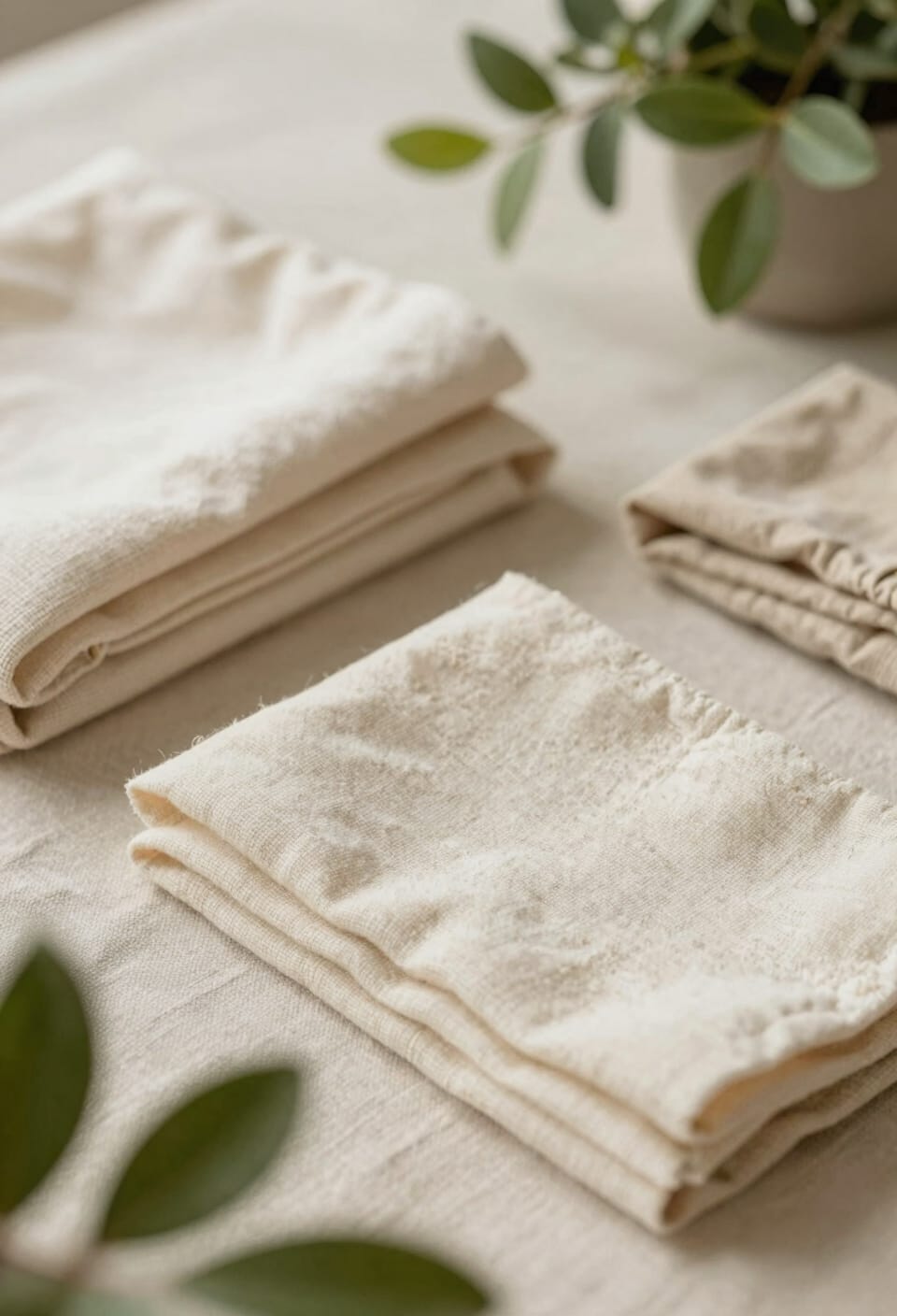
Next, peek into your bathroom. Do you have any leftover travel-sized toiletries or empty reusable containers? These little items can have a second life, serving various purposes around the house. You might even find old towels lying around—the kind that can easily be converted into cloth napkins or cleaning rags.
So, why does this matter? By reusing things we already own, we not only cut down on waste but also save money in the long run. Check for old fabric too, like sheets or t-shirts that could become shopping bags or produce bags. The best part is that you get to be creative while helping the environment.
Lastly, make a note of any disposable items you typically use, like plastic utensils. You might be surprised to find alternatives already in your home, like metal forks or reusable straws. This audit can really kick start your zero waste starter kit with essentials you’ve collected over time. Consider adding washable vegetable bags made from breathable organic cotton or mesh to keep your produce fresh while reducing plastic waste.
Recommended Products

YEAR-ROUND USE: Optimal MID-WEIGHT wool fill 400gsm or 85oz total. Enjoy a luxurious sleep experience with our wool comforter filled with 100% natural premium Australian wool filling and 300 thread count SOFT SATEEN cotton shell

OH SO COZY - Sink into luxurious cloud-like comfort with our temperature-regulating everyday washable certified organic bedroom pillow. Experience the rejuvenating properties of pure Organic British wool encased in a soft, 300-thread count, highly breathable organic cotton quilted cover.

ORGANIC COTTON MATTRESS PAD: Our Cotton Mattress Pad is filled and covered with 100% organic cotton, ensuring it is ethically and sustainably produced. GOTS Certification is one of the topmost respected certifications in the organic textiles industry.
Innovative Ideas to Upcycle Fabric and Containers
Ever looked around your home and wondered what to do with that old t-shirt or empty jar? You’re definitely not alone. Upcycling fabric and containers not only solves the clutter issue but also gets us involved in something creative and sustainable.
Take that old t-shirt, for instance. Instead of tossing it, grab a pair of scissors and some thread. With a few simple cuts and stitches, you can transform it into a handy reusable shopping bag. It’s not just practical; you’ll feel pretty good about skipping those flimsy plastic bags.
And what about those leftover fabric scraps piled up in the corner? Try turning them into cloth napkins. They’re super easy to make, and they add a personal touch to family dinners while cutting down on paper waste. Why not make it a family project? You’ll end up with some fab napkins and great memories.
Don’t overlook those glass containers sitting in your kitchen. Those pasta sauce jars can be great for organizing your pantry. Just think of all the single-use packaging you could skip if you simply repurposed what you already have. The best part is, this also keeps your pantry looking neat!
Community fabric exchanges are another fantastic way to find new materials for projects. It’s a simple way to connect with others and spread the word about upcycling. So, why does this matter? Because it’s about reducing waste and saving money, all while giving your home a bit of character.
Incorporating these upcycling practices into your routine is easy, and every little bit helps. Using bamboo kitchen towels in your zero-waste starter kit further enhances sustainability by reducing paper waste. Truth is, you can make a difference by creatively reusing what you already own. What will you create next?
Recommended Products

Perfect bulk custom tote bags for corporate gifting, client appreciation, and business promotions, helping build stronger business relationships and brand loyalty.

Rich in Quantity: there are 400 pieces of cotton tote bags, and the adequate amount can meet your daily use and replacement demands; In addition, you can also share them with your friends or family

Product Details - Set of 60 ganesha-print jute burlap tote bags with bead accents, approx. 9.8 x 7.8 x 3.8 inches, featuring sturdy handles and bead accents. A versatile, reusable favor purse pouch for giveaways.
Smart Shopping Tips to Boost Your Zero Waste Journey
Have you ever thought about how much waste you create while shopping? It can really add up, and it’s often the little things that make a big difference. We can all do our part to shop more sustainably, and the good news is, it doesn’t have to be a hassle.
One simple tip? Weigh your mason jars at the grocery store before you fill them with bulk items. This helps you avoid paying for the jar’s weight and ensures you get an accurate price. You’ll appreciate how quickly that adds up to savings.
Using cloth produce bags is another easy switch. Just pop a rubber band around them to keep things organized. Plus, keeping these bags clean is important. A quick wash now and then helps keep them sanitary and cuts down on any single-use options you might rely on instead.
Taking your personal containers to farmers’ markets? That’s a fantastic idea! Not only does it help reduce plastic waste, but many vendors allow you to subtract the weight of your container from the total. So, why does this matter? Every little choice counts, and your actions can set a great example.
Getting your friends and family on board with these practices is also super beneficial. Engaging in conversation about sustainable habits can inspire everyone to be more mindful about their shopping choices.
Consider also switching to reusable items like bamboo coffee cups to reduce single-use plastics and promote eco-friendly alternatives.
Recommended Products
MADE OF PLASTIC - These Clear Dome Lid for Soup Cups are made from recyclable plastic. They work well for hot or cold foods. This lid is compatible with PacknWood soup cups (sold separately: item 210POB90).

CASE OF 2000 pcs of Boba Unwrapped straws.

ORGANIZE LIKE A PRO: This bamboo condiment organizer features a three-tiered design with compartments, making it perfect for neatly arranging coffee cups, lids, and condiments in busy cafes
How to Use Your Zero Waste Kit Effectively?
How can you make the most of your zero waste kit in everyday life? First off, carrying it with you is a simple but effective way to be ready for those unexpected moments. Picture this: you’re at the grocery store or a café, and instead of grabbing single-use items, you can pull out your reusable containers and bags. This not only simplifies bulk purchases but also makes eco-friendly shopping feel effortless.
Here’s the trick: weigh your jars before filling them up. This little step can save you from extra charges for packaging, which makes your shopping even more sustainable.
When it comes to meals, don’t overlook the power of cloth napkins and utensils from your kit. These simple swaps can seriously cut down on disposable waste, and you might even find they add a charming touch to your dining experience.
So, why does this matter? Engaging friends in conversations about your zero waste kit can amplify the impact. By sharing your experiences and encouraging one another, you might just inspire a wave of sustainable choices among your circle.
To further enhance your zero waste efforts, consider incorporating compostable trash bags for managing organic waste in an eco-friendly way.
Recommended Products

Keep food fresh in the freezer up to 5x longer and in the fridge or pantry up to 2x longer, compared to ordinary storage methods

Highly Realistic Simulation: Our thigh amputation hemorrhage control model replicates a robust adult male thigh with a blast injury, featuring red paint to simulate blood and blackened edges to represent burn effects, offering an authentic visual and tactile training experience.

Real Trauma Capability, Not Just Bandages: Most first aid kits stop at antiseptic wipes and adhesive strips — useful for paper cuts, useless when an emergency actually threatens a life. MyFAK Pro is a true IFAK (Individual First Aid Kit) and trauma kit in one: the My Medic RATS Tourniquet for arterial bleeding, hemostatic gauze for hemorrhage control, pressure bandage for deep wounds, EMT shears that cut through clothing and seatbelts, and a chest seal for penetrating trauma. It is what a first responder reaches for when basic first aid will not cover it.
Building a Supportive Community for Sustainable Living
Building a supportive community around sustainable living can be a real boost to our zero-waste efforts. Have you ever wondered how much easier it is to stick to your eco-friendly goals when you’ve got a group cheering you on? Joining local zero-waste meetups or sustainability groups opens up doors to new ideas and keeps your motivation high. Being part of these communities, whether online or in-person, allows you to share practical tips and resources that amplify everyone’s efforts.
Try this: host a workshop focused on DIY sustainable solutions. It’s a great way for everyone to learn together and put those ideas into action. If you’re feeling bold, make it a potluck and ask each guest to bring a zero-waste dish—fun and practical!
Encouraging friends and family to discuss waste reduction can lead to bigger changes too. Have you noticed that when you talk about your eco-friendly habits, others get curious? Their involvement can help spread those habits further and wider, which is what we all need.
Celebrating milestones is another solid way to keep the momentum going. Think about it—when you reduce your plastic usage or hit a personal zero-waste goal, shout it out! Not only does it reinforce your commitment, but it also inspires others. So, what small step will you take to build your own supportive community? Incorporating eco-friendly bug sprays into your sustainable living practices is a simple, effective way to protect your home and environment without harmful chemicals.
Frequently Asked Questions
How to Make Zero Waste Products?
We can make zero waste products by creating DIY cleaning solutions, reusable food wraps, and zero waste toiletries. Let’s explore compostable alternatives and natural beauty products, all while prioritizing eco-friendly packaging in our daily lives.
What Are the 5 R’s of Zero Waste?
The 5 R’s of zero waste are Reject disposables, Reduce waste, Reuse items, Recycle effectively, and Rot compostables. By embracing responsible purchasing, we can considerably lessen our environmental impact and foster a sustainable lifestyle together.
How Much Does It Cost to Open a Zero Waste Store?
Opening a zero waste store can cost $10,000 to over $100,000. We’ll need to manage store funding wisely, focus on sustainable sourcing, educate customers, and consider local competition to maximize profit margins effectively.
What Are the 7 R’s of Zero Waste?
We might think zero waste is overwhelming, but embracing the 7 R’s—Refuse, Reduce, Reuse, Repair, Recycle, Rot, Rethink—helps us adopt sustainable living. These strategies enhance waste management, highlight recycling benefits, and promote eco-friendly practices.