As an Amazon Associate, we earn from qualifying purchases. Some links on this site are affiliate links at no extra cost to you. Our recommendations are based on thorough research and editorial judgment.


Beeswax Wrap Materials: Wax, Cotton, Resin—What Each Does

Have you ever thought about the mountains of plastic wrap we go through? It’s pretty alarming! Luckily, beeswax wraps are a fantastic alternative. These wraps are made from three simple ingredients that not only work wonders for your food but are also better for the planet.
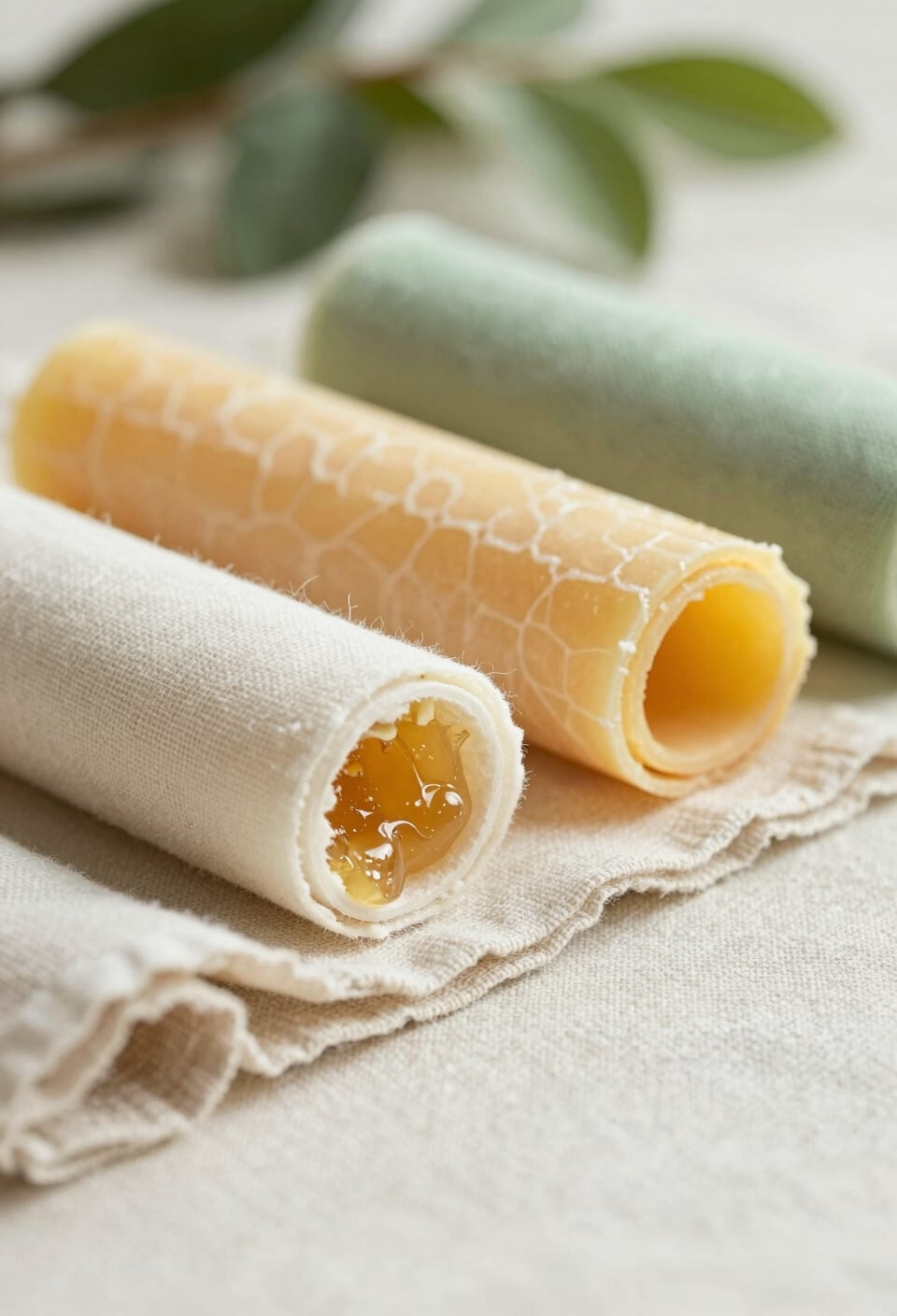
First up, you’ve got 100% cotton fabric. This gives the wraps strength and flexibility, making them easy to mold around different food items. Then, there’s the beeswax. It’s the star of the show when it comes to keeping your food fresh by resisting bacteria. Lastly, pine resin adds that extra layer of stickiness, ensuring a solid seal.
So, why does this matter? Choosing these wraps can significantly reduce the waste we generate from single-use plastics.
Here’s the trick: you can even make your own beeswax wraps at home! It’s a fun DIY project and a great way to personalize your wraps. Just gather some cotton fabric, beeswax, and pine resin, and you’re on your way to creating something that’s not just practical, but eco-friendly too.
The best part is you can get creative with the fabric designs, making them a joy to use in the kitchen. Plus, every time you wrap up your leftovers or pack a lunch, you get to feel good about your choice.
Ready to give it a try? It’s easier than you might think!
So why not ditch the plastic and go for something more sustainable? You’ll be helping the environment while enjoying fresh food—talk about a win-win!
Key Takeaways
- 100% Cotton Fabric: Provides strength, flexibility, and serves as the base for the wraps, ensuring durability and usability.
- Beeswax: Offers natural antimicrobial properties, preserving food freshness while providing resistance to moisture.
- Pine Resin: Enhances stickiness and creates a solid seal, effectively keeping air out to prolong food shelf life.
- Jojoba Oil: Adds pliability to the wraps, making them easier to mold around food and containers.
- Sustainability: All materials are compostable and biodegradable, significantly minimizing environmental impact and promoting a zero-waste lifestyle.
Why Choose Beeswax Wraps Over Plastic?

When you’re storing food, do you ever wonder if there’s a better option than plastic wrap? Well, there is—beeswax wraps! These reusable wraps are made from organic cotton coated in beeswax, and they’re not just good for your food; they’re great for the planet too. Unlike plastic, which just hangs around in landfills forever, beeswax wraps are biodegradable and free from harmful chemicals like BPA. This is important, right?
The natural antimicrobial properties of beeswax wraps can actually help keep your food fresh longer, which means less spoilage. Think about how often you end up tossing out leftovers or half-eaten fruits because they went bad too quickly. Honestly, with a little care, these wraps can last up to a year, which means fewer trips to the trash can.
Let’s talk options. Brands like Bee’s Wrap and Etee make all sorts of stylish choices. Whether you like funky colors or more muted tones, you can find a beeswax wrap that fits your kitchen vibe. The best part is you’re not only minimizing plastic use but also supporting a zero-waste lifestyle.
Additionally, many wraps feature GOTS certified organic cotton, ensuring both quality and sustainability in their materials.
The Benefits of Beeswax for Food Preservation

Have you ever opened your fridge and found wilting vegetables or stale bread? It’s frustrating to throw away food that could have lasted longer. The good news is, beeswax wraps offer a simple, effective solution for keeping your food fresh.
These wraps do more than look nice; they actually help preserve your food. Thanks to their natural antibacterial properties, beeswax fights off mold and bacteria, which means your fruits, veggies, and bread can stay fresh a lot longer. This means less food waste and more tasty meals for your family.
Here’s the trick: beeswax wraps are breathable. They let your wrapped food stay fresh by preventing moisture buildup, which can lead to spoilage. Some studies suggest that food can stay fresh up to two weeks longer when stored with beeswax wraps compared to using plastic wraps. It’s something worth trying!
Plus, there’s the eco-friendly aspect. Beeswax is biodegradable and compostable, so you can feel good about using them. By choosing beeswax wraps, you’re not just making a smart choice for your pantry, but also for the planet.
Many beeswax wrap sets come with organic cotton materials that ensure chemical-free, safe food contact and longer-lasting use.
Truth is, using beeswax wraps for food storage is a step towards sustainability, and it just makes sense. Why not give it a go and see how it works for you? Embrace the wrap and enjoy fresher food while doing your part for the environment!
How to Make Beeswax Wraps
Are you tired of plastic wrap that just doesn’t stick? Making your own beeswax wraps can not only help reduce your waste but can also be a fun DIY project to tackle.
First things first, grab some 100% cotton fabric and wash it to get rid of any sizing. Once it’s clean, cut it into 12 x 12 inch squares. You want to make sure they’re nice and dry before moving on.
Now, here’s the fun part. You’ll need to melt together about 3.5 ounces of beeswax pastilles, 0.7 ounces of pulverized pine resin, and a tablespoon of jojoba oil in a double boiler. This blend will give your wraps that perfect sticky quality. Pour this warm mixture over your fabric squares and spread it out evenly — don’t worry if it looks a little messy at first!
Next, place your wraps on a baking tray and pop them into a preheated oven set at 200°F for just a few minutes. You’ll see the beauty of the melted ingredients as they soak into the fabric. Once you take them out and let them cool, give them a little test. Do they stick together? Can they be molded easily? If not, tweak your ingredients a bit.
To ensure your wraps last, remember to follow proper care instructions such as hand washing with cold water and air drying completely.
The best part is that you can experiment until you find the right balance that works for you. So, why does this matter? Keeping your food wrapped up without resorting to plastic is a win for both you and the planet.
In a nutshell, making beeswax wraps isn’t just a cool craft; it’s a step toward a more sustainable lifestyle. Why not give it a shot? You’ll feel good knowing you’re doing your part!
Materials Needed for Making Beeswax Wraps
Have you ever thought about how much plastic wrap we waste to store our food? If you’re looking for an eco-friendly alternative, crafting your own beeswax wraps could be the answer. It’s easier than you might think, especially when you have everything you need right at your fingertips.
First off, start with some 100% cotton fabric. It gives your wraps both strength and flexibility, making it an ideal base for covering food. Beeswax is your next must-have; it’s not only natural and water-resistant but also helps keep your food fresh while packing some awesome antimicrobial properties. Pine resin adds a layer of stickiness and durability, helping your wraps create a solid seal.
Don’t skip the jojoba oil—it’s key! This little addition enhances pliability, making it super easy to mold the wraps around your containers. Plus, all these materials are sustainable and compostable, which aligns perfectly with our eco-friendly vibes. When properly cared for, these wraps can last up to a year, reducing the need for single-use plastics and promoting a more sustainable kitchen with their lifespan and reusability.
Why Pine Rosin Is Essential for Effective Wraps
Ever notice how some beeswax wraps just stick better than others? That’s not just luck; it’s all about the ingredients, especially pine rosin. Derived from pine tree sap, this natural substance boosts the stickiness and grip of beeswax wraps, making them fit snugly around your food containers.
So, why does this matter? With better grip, these wraps create a solid seal that keeps air out. The solid form of pine rosin is also a big help in reducing air exchange, which can keep your food fresh for longer. Don’t worry about health concerns, either. Pine rosin is non-carcinogenic, meaning it’s safe for food contact.
And let’s not forget about sustainability. Pine rosin is a renewable resource, which makes it a great fit for eco-friendly practices. When you use wraps that incorporate this element, you’re not just getting something that will last; you’re also supporting a greener way to store food. Many high-quality wraps combine pine rosin with organic cotton and beeswax to ensure both durability and compostability.
The best part is, the durability factor means these wraps can handle whatever your kitchen throws at them, from leftovers to sandwiches. It’s nice knowing you have a reusable option that can stand the test of time and use.
Next time you reach for those beeswax wraps, consider the role of pine rosin. You’ll appreciate how it keeps everything fresh and securely sealed, making your kitchen adventures just a little bit easier! What’s your go-to way to store food?
Beeswax vs. Vegan Wraps: Which Is Right for You?
When it comes to storing food, you might be stuck weighing the pros and cons of beeswax wraps versus vegan wraps. Beeswax wraps are made from cotton that’s coated with beeswax and jojoba oil. They offer some solid antibacterial benefits and help keep your food fresh. Plus, they’re compostable and biodegradable, making them a more eco-friendly choice. But if you have allergies to bees or follow a strict vegan lifestyle, these wraps might not work for you.
Now, let’s talk about vegan wraps. These are often made from plant-based waxes like carnauba, which gives you a cruelty-free option. However, while they’re great for those who want to avoid animal products, they might not last as long as beeswax wraps. And since they’re usually unscented, that might appeal to some folks who don’t want any extra fragrance clinging to their food.
So, why does this matter? It’s really just about what fits your lifestyle best. Do you prioritize sustainability, or do you lean towards a vegan lifestyle?
Here’s the trick: think about your daily routine and needs. If you’re looking for something that does a great job at preserving food and you don’t mind the bee connection, beeswax wraps could be your go-to. On the other hand, if you’re all about keeping it plant-based, then vegan wraps might be the way to go.
Ultimately, it’s about making a choice that aligns with your values. What kind of wrap do you see yourself using more often? Remember that proper care, including hand washing and air drying, can extend the life of both beeswax and vegan wraps significantly.
Making Your Own Beeswax Wraps: A Step-by-Step Guide
Are you tired of throwing away plastic wrap and looking for an eco-friendly alternative? Making your own beeswax wraps is a fantastic way to cut down on waste while keeping your food fresh. Plus, it’s pretty fun!
Start with 100% organic cotton fabric. Cut it into the sizes you prefer—whether that’s large enough for a loaf of bread or small for half an avocado. Don’t forget to wash the fabric first; this step helps remove any residues that could get in the way of the beeswax sticking properly.
Here’s the trick: you’ll need a double boiler to melt a mix of ingredients. You’ll want to combine 3.5 ounces of beeswax, 0.7 ounces of pulverized pine rosin, and 1 tablespoon of jojoba oil. Mixing these together creates an adhesive formula that works wonders. Once it’s all melted and combined, grab a brush to evenly spread the mixture across your fabric.
Next, it’s time for the oven. Set it to 200°F and place your fabric inside for a quick bake. This step makes sure everything adheres just right. After a few minutes, carefully take the wraps out and let them cool completely. You’ll notice they are now pliable and ready to use!
Remember to wash your wraps gently with cold water to maintain their reusability and longevity and keep them effective for many months.
So, why does this matter? Reducing plastic waste starts in our own kitchens, and this DIY project is a simple way to make a positive impact.
In short, making beeswax wraps is both easy and rewarding. Have you tried making these yet? If not, give it a shot!
Essential Tips for Maintaining Your Beeswax Wraps
After putting in the effort to make those beeswax wraps, you don’t want them to wear out too quickly. Here’s the trick: treating them right can really extend their life. When it comes time to clean them, stick to cool water and gentle soap. Hot water or strong detergents? You’ll want to skip those because they can mess up the cotton fabric.
Just a heads up, let your wraps air dry completely before putting them away. It’s best to store them in a cool, dark place to avoid any wax degradation. Now, you might wonder, “How often should I refresh them?” A good rule of thumb is about every 6 to 12 months. This involves melting and redistributing the wax mixture in the oven, which helps keep their stickiness just right.
Don’t forget to check on their flexibility and stickiness from time to time. If something feels off, you can always tweak the amount of jojoba oil and pine resin to get things back to peak performance. Honestly, taking these steps makes a world of difference!
In the end, caring for your beeswax wraps isn’t tough. With just a bit of attention, they can keep doing their job for you. What little tricks have you found that work for your wraps? Many wraps come with beeswax bars for reconditioning that make this process even easier.
How to Use Beeswax Wraps Effectively?
Are you tired of your food storage solutions failing you? Beeswax wraps might just be the answer. They’re a great way to keep your food fresh while being gentle on the environment.
When you’re using beeswax wraps, there’s a simple trick: warm them up with your hands. This helps them stick tightly around bowls, sandwiches, or even fruits. Just remember to steer clear of using them on raw meat or fish—not worth the risk!
Cleaning your wraps isn’t complicated either. Just rinse them in cool water with a bit of mild soap. Avoid hot water and harsh cleaners; they can shorten the life of your wraps.
As for storing your beeswax wraps, find a cool, dry spot—rolling or folding them is best. This keeps their stickiness and flexibility in tip-top shape. And here’s an insider tip: you can restore their effectiveness every 6 to 12 months by reapplying wax. It’s a small effort for a big payoff in keeping them functional and sustainable.
Like bamboo charcoal air purifiers, beeswax wraps promote an eco-friendly home environment by reducing single-use plastics and waste.
The Health and Environmental Benefits of Beeswax Wrap Ingredients
Navigating sustainable food storage can be tricky, right? If you’re looking for a reliable option, beeswax wraps might be just what you need. They’re made from organic cotton, which is fantastic for the environment since it means no dangerous pesticides are used in the farming process.
Beeswax itself brings natural antibacterial properties to the table. This means your food can stay fresher for longer, which also helps cut down on spoilage. How great is that? Pine resin mixes in to boost the wraps’ stickiness, making them more durable. Plus, adding jojoba oil gives the wraps some nice flexibility, so they last longer than you’d think.
These wraps are a smart alternative to single-use plastics. You might be surprised to learn that each ingredient is completely biodegradable and compostable. That significantly reduces your overall environmental footprint. So, if you’re trying to make greener choices in your kitchen, switching to beeswax wraps could be a simple yet effective change.
The best part is you’re not just doing something great for the planet; you’re also keeping your food fresh and tasty. Isn’t it nice to know that a small decision like this can have a big impact? It’s definitely worth considering as you move toward more eco-friendly options in your home. Have you tried using beeswax wraps yet? Compostable products like these contribute to reducing plastic waste and support sustainable living practices.
Frequently Asked Questions
What Does a Beeswax Wrap Do?
Beeswax wraps help us preserve food freshness, acting as an eco-friendly alternative to plastic. By using reusable materials, we embrace sustainable living and reduce our environmental impact—all while enjoying kitchen essentials made from natural ingredients.
Why Add Pine Resin to Beeswax Wraps?
We add pine resin to our beeswax wraps for its benefits like improving adhesion and enhancing durability. It’s an eco-friendly material that aligns with sustainable practices, making our DIY recipes more effective and ethical.
What Should You Not Use Beeswax Wraps On?
We shouldn’t use beeswax wraps on raw meats, hot foods, or oily items. Ensuring beeswax wrap safety enhances food storage, wrap longevity, and eco-friendly choices for best preservation methods and reusable solutions in our daily lives.
Do You Need Resin for Beeswax Wraps?
We need resin for beeswax wraps to improve durability and mold resistance. While there are alternative materials, the right wax proportions and natural adhesives guarantee eco-friendly, effective wraps. DIY methods still benefit from this essential ingredient.