As an Amazon Associate, we earn from qualifying purchases. Some links on this site are affiliate links at no extra cost to you. Our recommendations are based on thorough research and editorial judgment.


Silicone: What It Is, How Long It Lasts, and End-of-Life Reality

Silicone rubber is all around us, from the spatula you flip pancakes with to the medical devices that help keep people healthy. Ever wonder how long it actually lasts? Well, the answer isn’t straightforward.
Industrial silicone can keep its grip for an impressive 15 to 50 years, but your everyday products might only stick around for 5 to 20 years.
What impacts this lifespan? It’s a combo of factors like heat, UV rays, and mechanical wear and tear. Plus, the way you care for your silicone can make a big difference. For example, keeping your silicone items clean and stored away from direct sunlight can help them last longer. A little TLC goes a long way!
So, what do you do when it’s finally time to get rid of your silicone? Recycling is an option you might want to consider to do your part for sustainability. That’s a win-win, right?
Truth is, silicone is a handy material, but knowing its limitations can save you from unexpected replacements. How do you typically care for your silicone products? It might be worth sharing your experiences!
Key Takeaways
- Silicone is a versatile, durable material used in various applications like medical devices, kitchenware, and automotive seals, known for its flexibility.
- The lifespan of silicone products varies significantly: 10 to 50 years depending on the application and maintenance practices.
- Key factors affecting silicone longevity include temperature stability, UV exposure, chemical contact, and mechanical stress from repeated use.
- Signs of degradation include hardening, loss of elasticity, surface cracks, and discoloration, indicating it’s time for inspection or replacement.
- Proper storage, cleaning, and awareness of recycling options are essential for responsible disposal and sustainable management of silicone products.
What Is Silicone Rubber and How Is It Used?
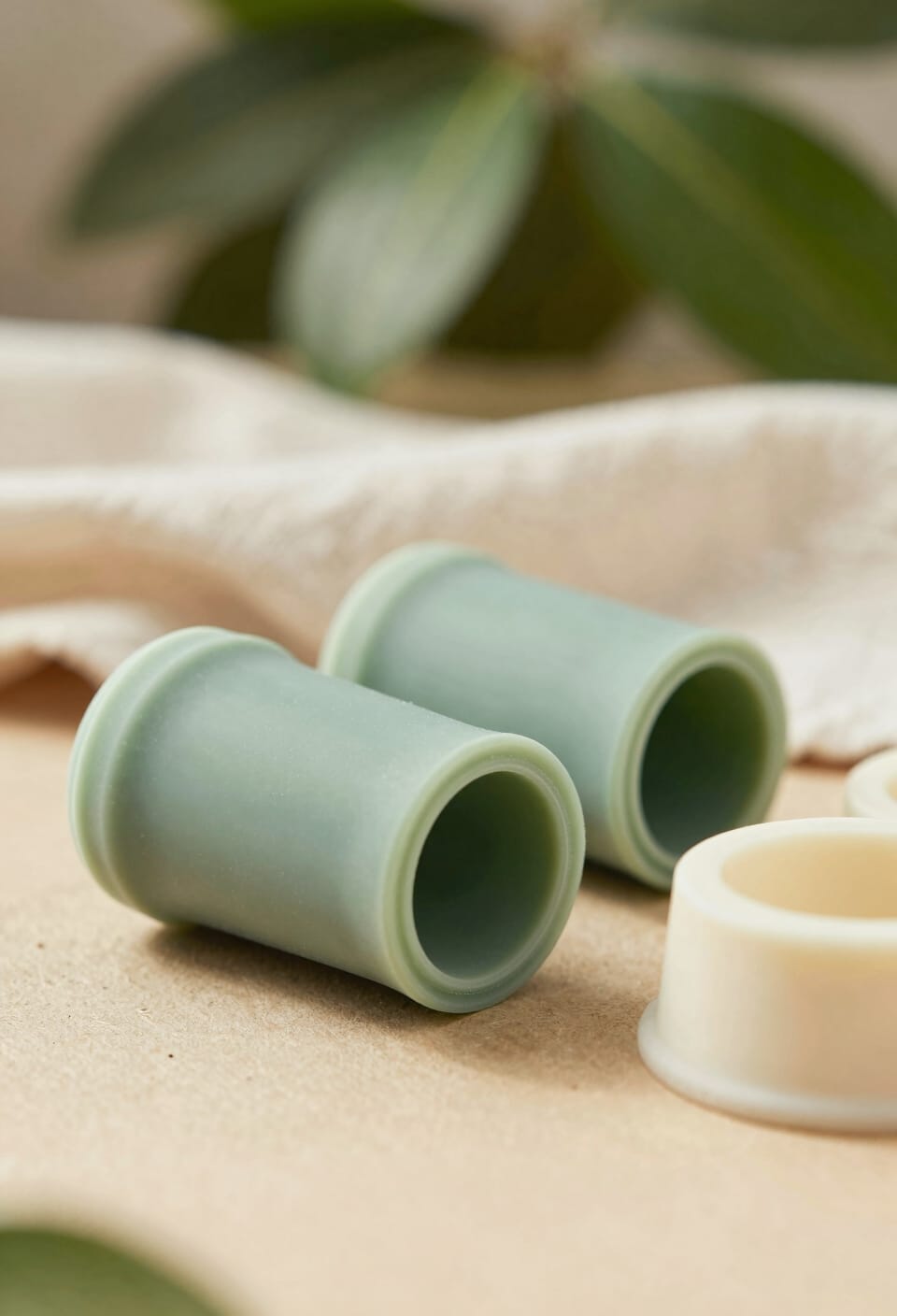
When you think about silicone rubber, consider how it fits into your everyday life. This material is pretty amazing—it’s flexible, durable, and can handle a wide range of temperatures from -60°C to 300°C. Ever wondered why so many products use it? It’s all thanks to its resistance to chemicals and UV light. That’s why you’ll find silicone in everything from medical devices and kitchenware to automotive seals and industrial gaskets.
The lifespan of silicone is another perk you should know about. It can last anywhere from 10 to 50 years based on what it’s used for. Plus, it often beats out traditional materials like PVC and natural rubber in terms of durability. So, if you’re looking to invest in long-lasting products, silicone might just be the way to go.
Want to keep your silicone items in tip-top shape? Just remember to care for them properly, and you’ll benefit from their longevity. Silicone baking products, for example, provide heat resistance and reusability that make them ideal for a wide range of culinary uses. So, the next time you grab your silicone spatula or check your car’s seals, know that there’s a lot more to this material than meets the eye. Have you thought about how silicone could improve your daily essentials?
Lifespan of Silicone in Various Applications

Have you ever wondered how long silicone can last in different situations? It’s pretty fascinating to see just how this material holds up under various conditions. For example, silicone rubber in industrial and automotive spaces can stick around for a solid 15 to 50 years. On the flip side, if you’re dealing with medical-grade silicone, expect it to last somewhere between 10 to 30 years, depending on use.
In casual, everyday scenarios like home projects, silicone sponge products typically last about 5 to 20 years. But keep in mind, their lifespan can take a hit from heat and UV exposure. You might even come across premium extruded silicone, which can be incredibly tough—lasting anywhere from 20 to 50 years if you treat it right. Regular maintenance is key here. Make it a point to monitor things like temperature and mechanical stress to ensure longevity.
In places like dairy applications, with proper care, silicone tubing can serve you well for years. It’s all about understanding how to take care of it. So, why does this matter? Well, the better you understand these factors, the longer you can make silicone work for you. Additionally, silicone’s remarkable temperature resistance range allows it to maintain durability and safety under varying conditions, prolonging its useful life.
Recommended Products

Replace stock OEM rubber Radiator Hoses which can eventually weaken over time, leading to premature failure

Wide Operating temperature range of: -60° C to + 135° C (-81° F to +275° F)

Electrical requirements: 110V 60Hz single phase 1/2 HP 370 Watts
Key Factors Affecting Silicone Rubber Lifespan
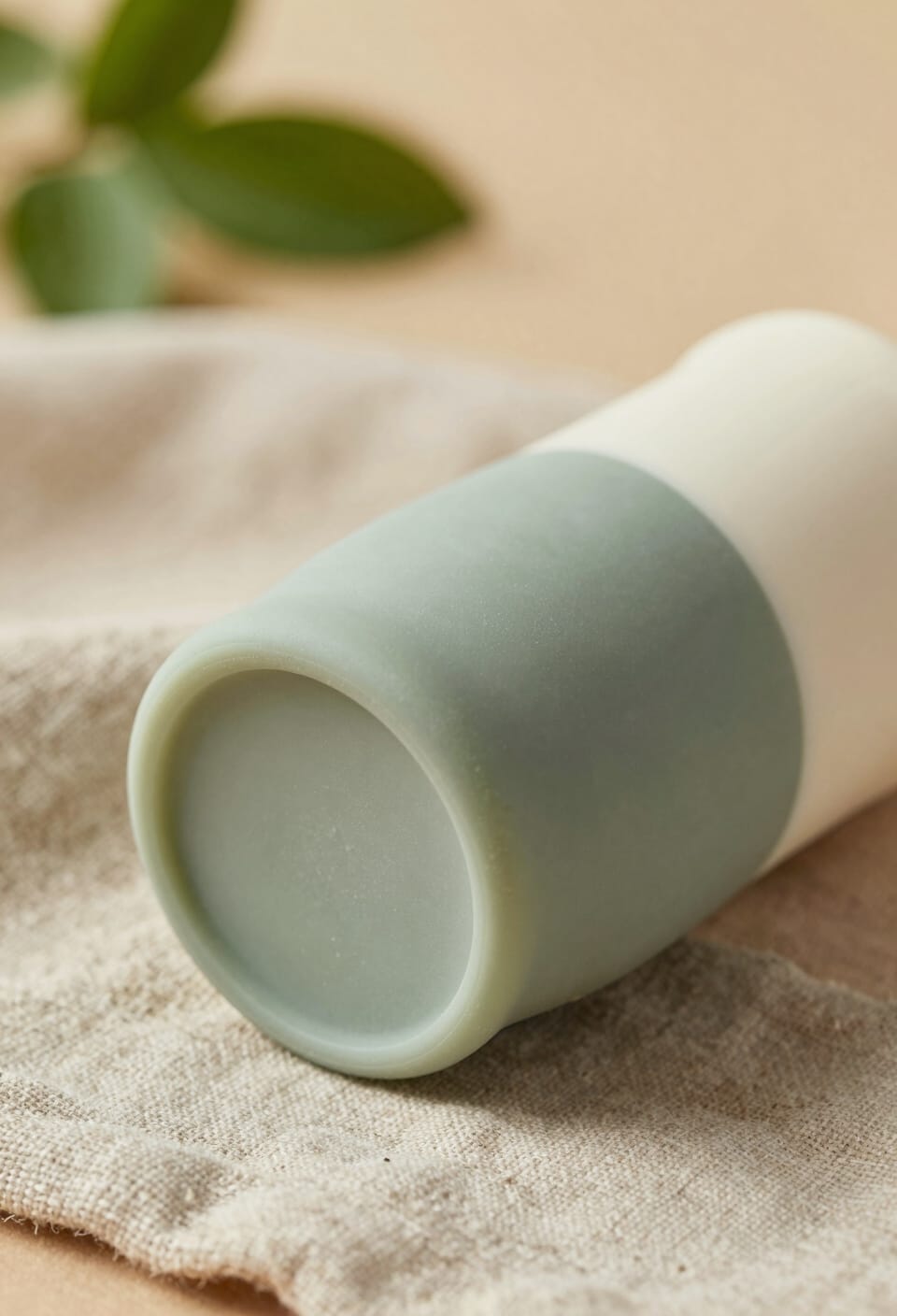
Have you ever wondered why some silicone rubber products seem to last forever while others don’t? It’s a bit of a mixed bag, honestly, and a few factors play into the lifespan of silicone in various situations.
First off, silicone rubber has impressive thermal stability, so it can handle temperatures from -60°C to 300°C without breaking down. That’s great news for anyone using silicone in extreme conditions! But don’t overlook how sunlight can impact it. If you’re using silicone outdoors, strong UV rays can cause it to degrade over time. So, if your products are meant for outside use, that’s something to keep in mind.
Also, the types of chemicals your silicone comes into contact with matter. While silicone can resist many substances, harsh acids or solvents can really mess with its integrity. Think about where your silicone items are being used—are there any chemicals hanging around that could pose a risk to them?
Mechanical stress is another thing to watch out for. When silicone bends and flexes repeatedly, that can wear it down faster than you think. So, if you’re using silicone in a spot where it gets a lot of movement, be aware that this could shorten its lifespan.
Here’s a tip: proper storage also plays a huge role in keeping your silicone looking great for longer. Try to keep it in a cool, dry, and dark place. Doing this can really help prolong its shelf life and overall durability, making sure you’ll get the most out of this versatile material.
At the end of the day, understanding these factors can empower you to take better care of your silicone rubber products. Have you had experiences where factors like UV exposure or chemical contact impacted your products?
For those interested in sustainability, considering the biodegradability and end-of-life options of materials like silicone alongside alternatives such as plantable seed paper cards can offer valuable perspectives on environmental impact.
Recommended Products

The Most Popular Material for New And Reroof Low Slope Roofing Applications
45-Mil Liner: The Most Popular Material for New And Re-Roof, Low Slope, Roofing Applications
60-Mil Liner: The Most Popular Material for New And Re-Roof, Low Slope, Roofing Applications
How Does Silicone Rubber Degrade Over Time?
Let’s face it: silicone rubber, while tough and reliable, has its limits. Over time, it can start to break down, and that degradation often sneaks up on us. If you’ve ever left a silicone product in a hot spot, you may have noticed it getting harder or more brittle. That’s oxidative degradation at work! This process can create cracks if we’re not careful.
Chemical exposure to strong acids or solvents can also lead to serious issues. You might notice a loss of elasticity, which means those silicone items don’t perform as well as they used to. And let’s not overlook mechanical stress. If you’re constantly flexing or stretching your silicone products, wear and tear is bound to happen.
So, what should you be on the lookout for? Signs of degradation include surface cracks and discoloration. These are tell-tale indicators that your item might not be doing its job as effectively anymore. Recognizing these issues early on allows you to make smart decisions about when to replace your silicone rubber items.
Truth is, being proactive about monitoring your silicone products can save you a lot of frustration down the line. Have you checked the condition of your silicone items lately? Remember, proper cleaning and maintenance can extend the life of silicone rubber and help maintain its performance.
Recommended Products
45-Mil Liner: The Most Popular Material for New And Re-Roof, Low Slope, Roofing Applications
60-Mil Liner: The Most Popular Material for New And Re-Roof, Low Slope, Roofing Applications

Flashing Base Diameter is 25-1/2" - Fits 10" to 19" Outside Pipe Diameter
How Can You Tell When Silicone Rubber Is Worn Out?
Have you ever noticed that your silicone rubber items don’t quite work the way they used to? It’s frustrating when these handy materials start to wear out, but there are some telltale signs you can spot.
First off, keep an eye out for loss of elasticity. If your silicone items feel stiff or struggle to bounce back after being stretched, that’s a warning sign. Regularly check them, especially after they’ve been exposed to high heat or harsh chemicals, as these can speed up degradation.
Look for cracks on the surface or any discoloration. These are clear indicators that the silicone has become brittle over time. Hardening can also change the texture of the material, which often means it might not seal effectively anymore. If you’re dealing with silicone in an industrial setting, pay close attention to any visible wear. When materials start to fail under mechanical stress, you need to replace them ASAP to keep everything running smoothly.
Being proactive with these checks can really help you get the most out of your silicone items. So, ask yourself: when was the last time you looked closely at your silicone tools? You might be surprised by what you find! Silicone products designed with platinum food-grade silicone have better durability and resistance to such wear and tear.
Recommended Products

Size (W x D x H): 22.4 x 14.6 x 0.3 inches (568 x 372 x 8


PROFESSIONAL GRADE: Pack of 10 full-size baking mats specifically designed for making perfect macarons with pre-marked guiding circles
How to Prolong the Lifespan of Silicone Rubber
Have you ever noticed how your silicone rubber products seem to wear down over time? It can be frustrating, especially when you want them to last. Luckily, there are some easy ways to keep them in top condition.
The first step is choosing the right type of silicone. High-quality silicone that fits your specific needs can really make a difference. You also want to pay attention to how you install it. An improper installation can lead to trouble down the line, so take your time with that process.
Regularly checking your products is another must. Taking a moment to inspect them for signs of wear can help you catch problems early. Have you ever ignored a small crack, only to have it turn into a bigger issue later? It’s always better to nip those things in the bud.
When it comes to storage, keep your silicone products in a cool, dry spot, away from direct sunlight. Those bright rays can really take a toll! Consider using protective coatings as well. These can help shield against UV rays and harsh chemicals that might harm your items.
Finally, sticking to suggested cleaning methods is key. It helps maintain the quality and performance of your silicone rubber. While silicone is durable, it is important to note that unlike compostable trash bags, it is not biodegradable or compostable.
Recommended Products

100% Silicone White Roof Coating, Premium, Moisture Cure Coating Designed To Reflect The Sun's Heat

Exterior and Interior Waterproofing - Suitable for interior and exterior applications, fully submerged in water and below grade applications. SEMCO Liquid Membrane can be used as a primary waterproofing under tiles in a shower to protect substrate from moisture damage or it can be used as finish sealer. With SEMCO Liquid Membrane being UV stable, it works great for exterior deck, as a roof sealant and basement wall and floor to seal it off from penetrating moisture.

The only Liquid BUTYL Rubber in the world, trusted for over 25 years. Unlike other roof coatings, this one-coat application never needs a primer and bonds to nearly any surface: EPDM, Metal, Fiberglass, TPO, Mod Bit, Torch down, Concrete, Polyurethane foam, Asphalt, Aged Vinyl, and even existing coatings like elastomerics.
Best Practices for Disposing or Recycling Silicone Rubber
What do you do with old silicone rubber products when they’ve reached the end of their life? It can be frustrating because these items are non-biodegradable, which means tossing them in the trash isn’t a great idea. If you spot signs of wear, like cracks or a change in texture, it’s definitely time to get rid of them.
Before you just throw them out, why not check if the manufacturer has a take-back program? Many companies are on board with recycling efforts nowadays. Also, initiatives like the Re-Sil project work to give old silicone a new life, which can really help minimize our impact on the planet.
It’s important to know that proper disposal and recycling methods can vary depending on where you live, so get familiar with your local regulations. Here’s the trick: good waste management isn’t just about getting rid of stuff; it’s about being responsible and making choices that support a sustainable future. Choosing reusable items made from eco-friendly materials can further reduce environmental impact and complement recycling efforts.
Frequently Asked Questions
How Long Does Silicone Last Before It Expires?
Silicone materials can last anywhere from 6 months to 20 years, depending on storage. In silicone applications, like cosmetics, maintaining silicone safety and properties guarantees durability. Proper silicone maintenance is essential for peak performance and longevity.
What Is the Lifespan of Silicon?
Silicone types typically last 5 to 50 years, depending on their uses and properties. We should focus on silicone safety and longevity, knowing proper disposal enhances its benefits while extending its effective lifespan in various applications.
How Long Can Silicone Last in the Body?
Silicone in medical implants can last 10 to 30 years, depending on longevity factors like body reactions and injection techniques. We must follow maintenance guidelines to verify safety, and monitor for any compatibility issues or need for silicone removal.
Can Germs Grow on Silicone?
Germs can’t thrive on silicone due to its bacterial resistance and non-porous surface. By following proper hygiene practices and cleaning methods, we minimize any surface contamination, ensuring safer medical applications and better health implications for everyone.