As an Amazon Associate, we earn from qualifying purchases. Some links on this site are affiliate links at no extra cost to you. Our recommendations are based on thorough research and editorial judgment.

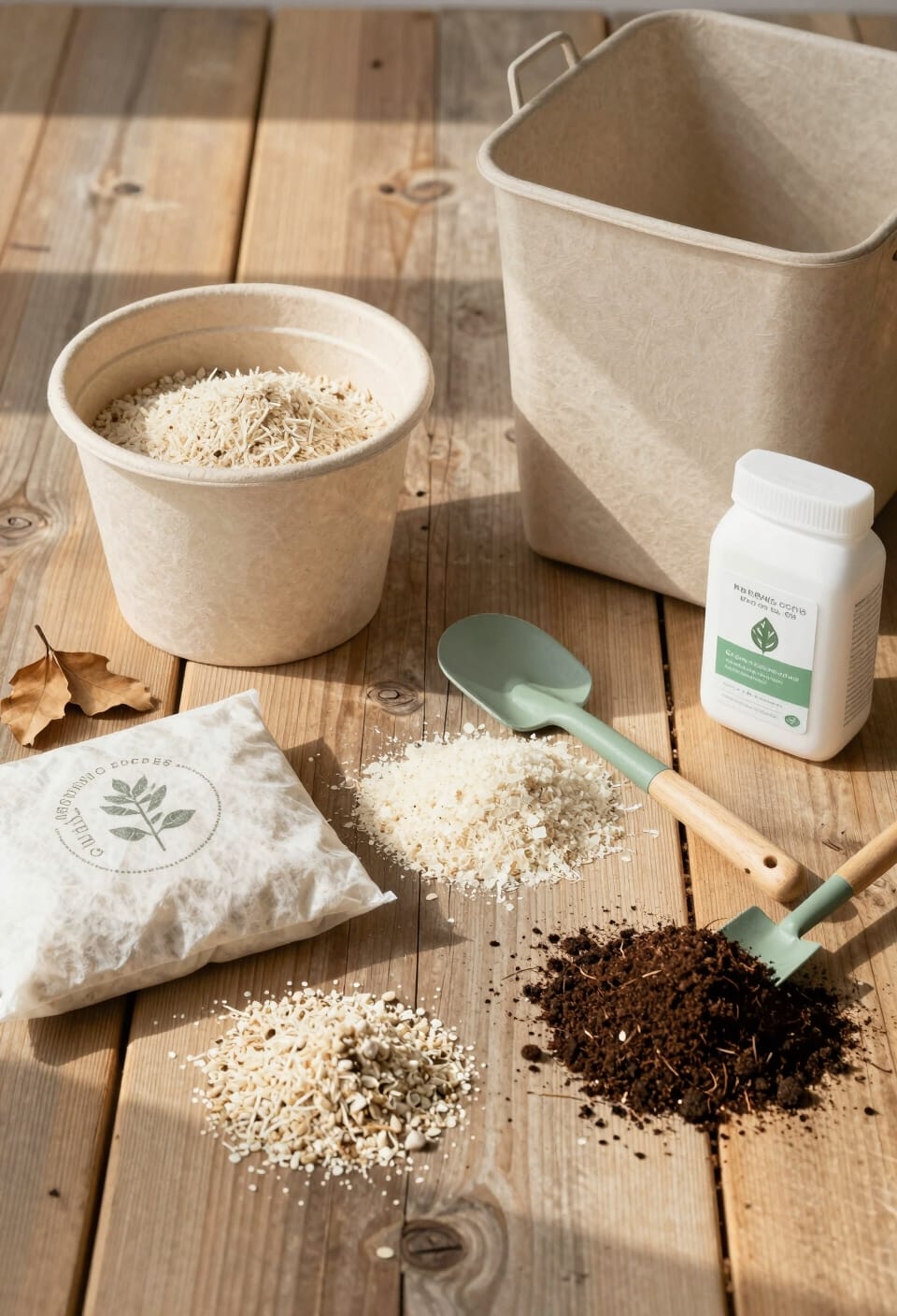
Composting Basics: What to Compost, What to Avoid, and Why It Smells

Composting can feel a bit overwhelming at first, can’t it? But it’s a great way to turn kitchen scraps into nutrient-rich soil while reducing your waste. When you start composting, you might wonder what you can toss in there. You can add things like veggie peels and coffee grounds, but steer clear of meat, dairy, and glossy paper. These items tend to attract pests and can really mess up your compost.
Now, let’s talk about smells—nobody wants their compost pile to stink! If you catch a whiff of sour or ammonia odors, it usually means there’s too much moisture or an overload of nitrogen-rich greens.
So, here’s the trick: balance your greens (like veggie scraps) with browns (think dried leaves or cardboard). A good mix helps keep everything in check.
Also, managing moisture is key. If your compost is soggy, it might turn into a smelly mess. You can fix it by adding more browns or turning the pile to let it breathe. Honestly, it’s all about finding that sweet spot.
The best part is that composting becomes easier with practice. You’ll quickly discover what works best for you. Stick with it, and before you know it, you’ll have rich compost for your garden!
So, what do you think? Ready to start composting?
Key Takeaways
- Compost suitable materials include vegetable peels, fruit skins, coffee grounds (greens) and dried leaves, straw, cardboard (browns) for a balanced mixture.
- Avoid adding meat, dairy, glossy paper, diseased plants, and pet waste to prevent pests and odors in compost.
- Maintain a carbon to nitrogen ratio of 30:1, ideally using 2-3 parts browns to 1 part greens for effective decomposition.
- Excess moisture creates foul odors; aim for a 50-60% moisture level resembling a wrung-out sponge to prevent anaerobic conditions.
- Regularly turn compost to aerate and address any persistent odors by adjusting materials or restarting the composting process.
Why Composting Matters: Key Benefits and Basics
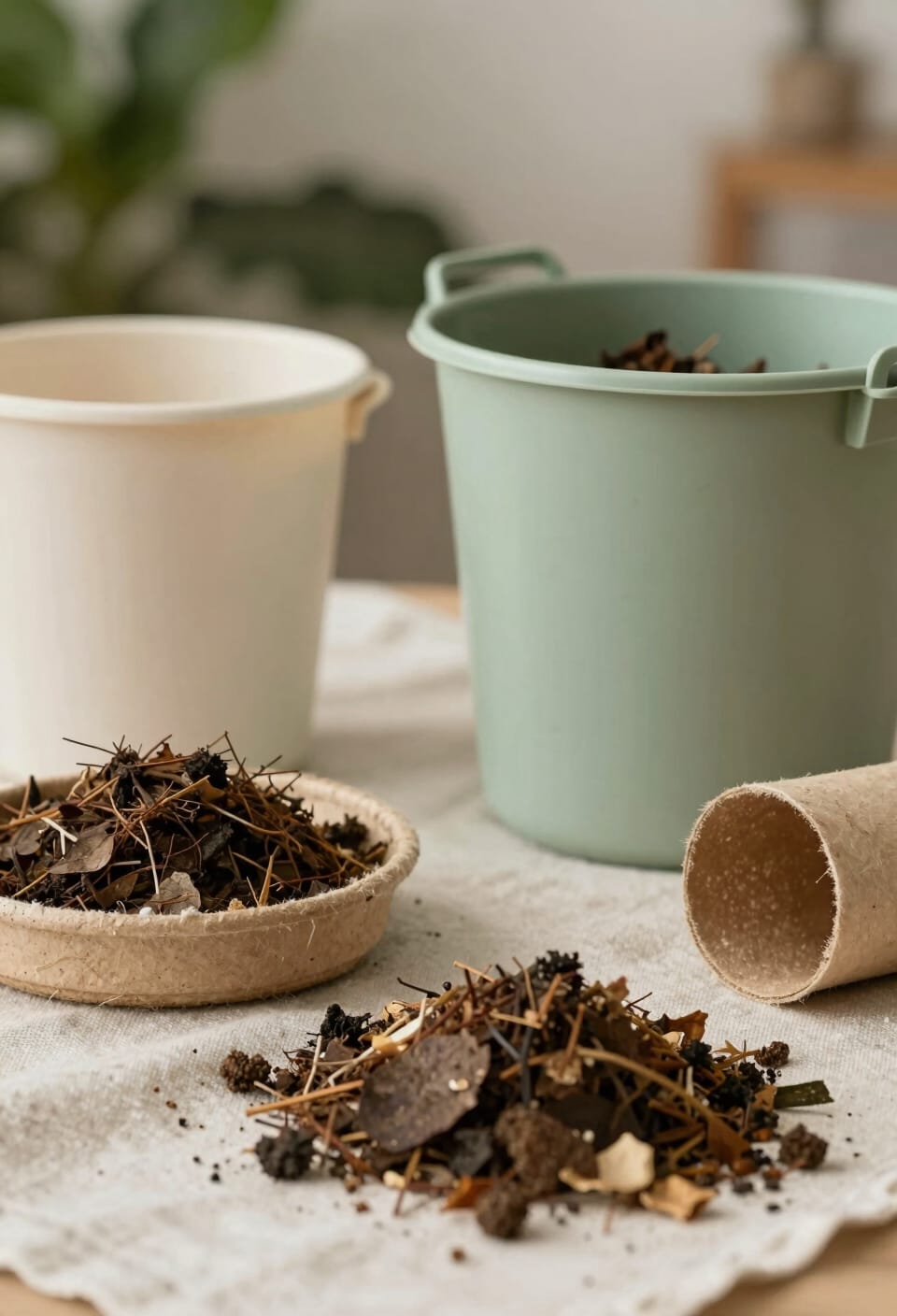
Have you ever thought about where all that food waste goes? It’s kinda shocking, right? Composting is one of those simple things that can make a real difference. It takes organic trash and transforms it into nutrient-rich soil, which is super important for keeping our earth healthy. When we compost, we’re not just reducing what ends up in landfills; we’re also cutting down on methane emissions from rotting garbage.
Here’s the trick: building a compost pile isn’t as complicated as it sounds. You just need to mix kitchen scraps like veggie peels, coffee grounds, and yard waste like leaves and grass clippings. The best part is that compost not only improves soil health but also helps plants thrive and even retains water better in your garden. It’s a win-win!
You might be wondering, “So, why does this matter?” Well, composting encourages sustainable living. By enriching your soil with compost, you can lessen the need for chemical fertilizers and pesticides, which aren’t great for the environment. Honestly, every little bit helps, especially when it comes to tackling climate change because compost pulls carbon out of the atmosphere and stores it in the ground.
Let’s not forget, composting is a chance to connect with nature and understand the cycle of life a little better. It’s hands-on and gives you that warm fuzzy feeling knowing you’re doing something good for the planet. Plus, who doesn’t love the idea of having rich, dark soil to feed their garden? Additionally, enhancing your garden with beneficial insect habitats can further improve soil health and plant growth.
To recap, composting helps reduce waste, can improve plant health, and supports sustainable practices. So, why not give it a shot? What’s stopping you from creating a compost pile and doing something great for your garden and our world?
What Materials Can You Compost? A Comprehensive List

What can you really compost? If you’ve ever stared at your kitchen scraps and wondered what’s okay to toss in your compost pile, you’re not alone! It can be a bit confusing at first, but once you get the hang of it, it’s simple.
Start with greens, which include all those food scraps you’ve got lying around. Think vegetable peels, fruit skins, and yes, even coffee grounds. These goodies are packed with nitrogen, which really amps up the microbial action in your compost. Next up are the browns—dried leaves, straw, and cardboard. These are the carbon heroes you need to balance things out. If you’re wondering how to keep things smelling fresh, burying kitchen waste under those browns works wonders for managing odors and keeping pests at bay.
What about those used napkins or paper towels? You can toss those in, but just double-check that they don’t have any synthetic materials mixed in. The trick is to keep it as natural as possible. On the flip side, you’d be wise to steer clear of composting meat, dairy, or oily foods. Trust me, they can attract some unwanted visitors and create funky smells that no one wants in their backyard.
The best part is that with the right materials, you can create rich, nutritious compost that benefits your garden and the environment. Choosing a compost bin made from eco-friendly materials can further enhance your sustainable practices. So, as you’re cooking, think about what scraps you can save rather than just throwing them away. It’s a little effort that can make a big difference! Are you ready to dive into composting? Remember, every small step helps!
Recommended Products

COMPACT & WATERLESS DESIGN: A self-contained composting toilet with urine separation, suitable for tiny homes, RVs, boats, and off-grid living, without the need for water or plumbing

TURN YOUR WASTE INTO ENERGY: treat food waste, kitchen residue, animal manure, pet feces, green waste, lawn grass etc

Urine-Separating Compost System: Waterless composting toilet with urine diverting technology for off-grid use without additives or mixing required
Why Balance Greens and Browns in Compost Matters

Finding the right mix of greens and browns in your compost pile can really make a difference. If you’re tossing in a bunch of grass clippings and kitchen scraps without balancing them with carbon-rich materials, you might be missing out on creating the rich, nutritious soil you want.
Aim for two or three parts carbon-heavy browns—like dry leaves, twigs, and cardboard—to one part nitrogen-packed greens. This kind of balance helps the composting microbes do their thing, achieving that sweet carbon to nitrogen ratio of 30:1. With this ratio, you’ll see better decomposition, and you can wave goodbye to unpleasant smells.
Here’s a trick: layer your greens and browns as you build your pile. This layering keeps the moisture levels just right and ensures good airflow, preventing your compost from turning into a soggy mess. So, why does this matter? When the moisture and air are balanced, your compost thrives, leading to that desirable dark humus we all dream about.
Truth is, getting this balance down isn’t just about making your garden look good; it’s about creating a healthy ecosystem in your own backyard. Try playing around until you find the right ratio that works for you, and pay attention to how your compost reacts. Before you know it, you’ll be well on your way to making some excellent compost.
Using a compost container with good aeration design like ventilation holes can significantly accelerate the decomposition process and reduce odors.
Recommended Products
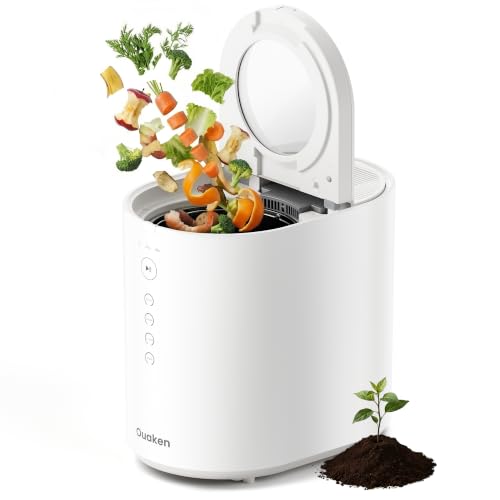
🌱2026 New Electric Composter for Kitchens: Designed for larger households and higher efficiency, the new OK255 5.5L electric composter transforms food scraps into nutrient-rich fertilizer with greater capacity and smarter performance. Its flatter oval profile adapts more easily to different countertop layouts while helping you reduce waste, lower disposal costs, and embrace a more sustainable lifestyle—without compromising space or aesthetics.

Easier Composting: Separate bins and removable slats make harvesting finished compost easier

INCLUDED FREE WITH PURCHASE: Organic Gardening Expert Mike McGrath’s 'Book of Garden Beds & Composting'
Top 5 Materials to Steer Clear of in Your Compost
Starting a compost pile can be an adventure, but knowing what to leave out is just as important as what to include. So, what should you avoid tossing in there?
Let’s talk about meat and dairy products first. These items can lure all sorts of unwanted critters and create stinky smells as they break down. Nobody wants a raccoon party or a whiff of something foul while they’re tending to their compost.
You’ll also want to skip glossy paper, like magazines or those greasy pizza boxes. They have chemicals that can disrupt the composting process and make everything less effective. The same goes for diseased plants and weeds that have gone to seed—these can spread problems throughout your garden.
And here’s something you really don’t want to overlook: pet waste, especially from cats and dogs. This stuff can carry harmful pathogens and won’t break down safely. Trust me, adding that to your pile is asking for trouble.
Compostable bags made from plant-based materials can help manage organic waste cleanly without contaminating your pile.
Keep these materials out of your compost, and you’ll be on your way to a healthy, thriving pile. What’s on your list of composting do’s and don’ts?
Recommended Products

FIRM FOR HOURS, ZERO PLASTIC – Unlike paper or PLA straws that wilt or leach chemicals, our agave fiber straws stay rigid in hot coffee (up to 106°F), frozen margaritas, and smoothies—no bending, no taste, no microplastics.

Turn Food Waste to Fertilizer for Garden: Put your food waste to good use! Vego Kitchen Composter with 4L large capacity, you can nourish your garden by transforming the scraps from the veggies you grow into a nutrient rich garden amendment

EASY PLANT STARTER PLUGS: OrganiPlugs Hydroponic Seed Starter Plugs are a food-safe option for germinating seedlings and root cuttings quickly and effortlessly, Organic peat and coco coir OMRI listed ingredients supplement and support plant growth
Keeping Your Compost Odor-Free: Essential Moisture Tips
Have you ever opened your compost pile and been hit with a wave of unpleasant odor? It’s a common problem, but keeping it odor-free is easier than you might think. The trick is to pay close attention to the moisture levels. A properly balanced compost should feel like a wrung-out sponge, sitting at around 50-60% moisture.
Too much moisture can wreak havoc, creating anaerobic conditions that lead to funky smells—like rotten eggs! To tackle excess moisture, try mixing in dry materials like leaves or straw. These will soak up the extra dampness and keep your pile smelling fresh. On the flip side, if your compost feels dry, give it a splash of water or toss in some wetter items, like kitchen scraps, to help out.
Regularly turning your compost is a great way to mix things up and enhance moisture distribution. This keeps your compost aerated and helps maintain the aerobic conditions necessary for a healthy pile. So, why does this matter? Because monitoring and adjusting the moisture keeps your compost balanced and odor-free, making it a pleasant process for you and anyone nearby. Using compostable bin liners made from plant materials can also help manage waste efficiently while supporting eco-friendly composting practices.
Recommended Products

Easier Composting: Separate bins and removable slats make harvesting finished compost easier

【Multipurpose Storage Solution】 Handle a wide variety of storage needs from rainwater harvesting to garage organization. Ideal for holding water tools pet food and yard supplies securely

🌎【Quick Food Waste Recycling】The Assark 3L kitchen compost bin countertop replaces messy traditional methods. Unlike a rustic compost tumbler or outdoor compost bin, this smart indoor compost bin processes waste indoors. In just 4–6 hours, scraps become fertilizer. It reduces waste volume by 90% while keeping your kitchen free from odor, bacteria, and pests. This kitchen food composter is faster and more hygienic than any manual compost bin indoor.
Identifying Bad Odors in Your Compost: Signs to Watch For?
Have you ever caught a whiff of something funky coming from your compost pile? It can be a bit of a shock, especially when you’re trying to do something good for the environment. Bad smells like ammonia or that sour garbage scent are signs you might have too many nitrogen-rich greens or not enough dry browns mixed in. Ideally, your compost should have a nice earthy, sweet aroma, which indicates the breakdown is going well.
Now, if the texture starts to feel slimy or you notice the stench of rotten eggs, it’s telling you something’s off. This usually points to too much moisture creating a nasty, putrid environment. Frankly, nobody wants that! Another common culprit behind bad odors? Insufficient aeration. If your pile isn’t getting enough oxygen, you might face sewage-like smells. So, make it a habit to turn your compost regularly to keep that air flowing.
Persistent stinky odors and a wet, saturated consistency? That’s your signal to change things up. It’s all about finding that right balance to promote healthy decomposition. Just remember, maintaining your compost isn’t just about tossing stuff in and forgetting about it; you’ve got to keep an eye (and nose) on it too. Using certified compostable bags made from renewable materials can also help manage compost waste effectively and reduce unpleasant smells.
Fixing Foul Odors in Your Compost: Effective Solutions
Got some foul odors drifting from your compost? You’re not alone! It can be a real nuisance, but there are practical ways to get that earthy smell back in action.
First, let’s talk about balancing carbon and nitrogen in your compost. Try this: adding dry leaves or shredded cardboard can make a difference. These materials soak up extra moisture and help prevent the pile from getting too soggy, which is a big culprit in bad smells.
And don’t forget to give your compost a regular turn. This isn’t just busywork; it really boosts air circulation. When you skip turning, you risk letting anaerobic decay settle in, which is exactly the kind of stinky smell we want to avoid.
Heavy rain coming? Covering your compost with a tarp can shield it from excess moisture. It’s a simple move that can save your pile from becoming a smelly mess.
If you’ve tried these steps and the odors are still hanging around, you might have to restart the pile. It’s worth checking for any troublesome materials that could be causing the stink.
Truth is, composting should smell good – like fresh soil. Keep tweaking your mix, and soon you’ll be enjoying the sweet reward of healthy compost. What’s been your biggest challenge in composting?
Using compostable bags can also enhance your composting efforts by minimizing plastic contamination in your pile.
Recommended Products

75LB GRANULES: Nature’s MACE Snake Repellent is easy to use and will cover up to 75,000 sq ft. Snake MACE repels snakes fast and prevents their return, keeping snakes away. For both commercial and home/garden use. Our formula repels by disrupting snakes Jacobson Gland, irritating the snake, causing it to turn back and seek a more pleasant environment. Snake MACE repels snakes fast and prevents their return. For both commercial and home/garden use.

Single Chamber Composter: 50-gallon tumbling chamber provides ample capacity in a compact footprint — simply add kitchen scraps and yard waste to being a composting cycle

Fast, Effortless Composting: This outdoor compost bin features a 360° rotating design with built-in mixing bars—just spin the drum for thorough mixing, no manual turning needed. Adjustable air vents let you control airflow, moisture, and temperature to reduce odors and accelerate decomposition, making this compost bin both efficient and low-maintenance.
Understanding Different Composting Methods
Are you tired of pesky odors in your compost pile? Well, composting isn’t just about tackling smells; it’s also about figuring out which method suits your lifestyle best. If you’re looking for quick results, hot composting might be the way to go. This technique, done in a compost bin, can hit temperatures over 140°F, breaking down organic materials in no time.
On the other hand, if you prefer a simple, laid-back approach, cold composting in your backyard is perfect. You won’t have to put in much effort, but you should know it takes a bit longer for everything to break down. And what if you’re short on space? Consider vermicomposting! Using worms like red wigglers can efficiently turn your scraps into nutrient-rich castings without much hassle.
Here’s the trick: maintaining a proper carbon-to-nitrogen (C:N) ratio of about 30:1 is crucial for effective decomposition across all methods. So, why does this matter? If your compost isn’t balanced, it could take ages to break down. Another option to think about is bokashi composting, which allows you to include items like dairy in your compost mix, really broadening your possibilities!
For those managing compost indoors, choosing a compost pail with effective odor control features like charcoal filters can make the process much more pleasant.
Composting Care: Maintenance Tips for Success
Keeping your compost pile thriving can feel like a bit of a balancing act. But getting it right means rewarding yourself with rich, nutrient-filled soil. So, what’s the secret sauce? Start by layering nitrogen-rich greens, like your kitchen scraps, with carbon-rich browns, like shredded leaves. Aim for a carbon-to-nitrogen ratio of about 30:1 to help everything break down efficiently.
Regularly turning your compost every week or so is key. It not only aerates the pile but also helps prevent those unpleasant odors that can arise from stagnation. Have you ever noticed that funky smell when things aren’t breaking down properly? That’s a signal to give it a little love. Also, keeping an eye on moisture is crucial; your compost should ideally feel like a wrung-out sponge. If it ever gets too soggy, toss in some dry materials like cardboard to soak up the excess moisture.
When it comes to what to toss in, remember to steer clear of items that attract pests, like meat and dairy. These ingredients can invite unwanted critters and compromise your composting efforts. So, what’s the takeaway? Stay on top of your layers, keep it aerated, and monitor moisture. Using compostable food wraps made from sustainable materials can further reduce waste and support healthy composting practices.
When to Restart Your Compost: Signs You Might Need to Start Fresh?
Sometimes compost piles can be a bit of a mess, can’t they? If your pile starts giving off smells like ammonia or sewage, you might be facing a real problem. That’s often a sign that things aren’t working as they should, and it may be time to consider completely restarting your project.
Another big red flag is a compacted pile that’s soaked in moisture and crawling with pests. It’s frustrating to put in the effort only to find black sludge forming—that’s a clear indicator of anaerobic conditions, which means it’s time to clear the deck and start fresh.
And what about that healthy white mold? It should be there to indicate that your compost is thriving. If it’s missing but the bad odors linger, you’re likely in trouble.
Have you tried adjusting aeration and balancing materials and still see no improvement? Honestly, restarting might just be the easiest fix to get your compost back on track.
Using an under sink compost bin can help manage odors and keep your kitchen composting on track during the restart process.
Frequently Asked Questions
What to Put in Compost to Make It Not Smell?
“An ounce of prevention’s worth a pound of cure.” We can prevent odors by balancing composting ingredients, ensuring proper air circulation and moisture levels, and fostering aerobic bacteria through diligent compost bin maintenance.
What Are Common Composting Mistakes?
We’ve often noticed common composting errors like improper ratios, neglecting aeration, and adding luxury items. For beginners, focusing on balanced greens and browns is key to avoiding pests and achieving successful decomposition.
What Should Good Compost Smell Like?
Good compost should have a rich, earthy aroma. Compost odor sources like excess greens can disrupt this fragrance. By using natural scent remedies and monitoring compost smell indicators, we can enhance compost fragrance together!
What to Put in a Compost Bin to Keep From Smelling and Prevent Meal Worms?
To maintain our compost bin, we should mix carbon-rich materials with green scraps, avoid high-nitrogen ingredients, guarantee proper aeration techniques, and manage moisture control—keeping it like a wrung-out sponge prevents odors and mealworms.


