As an Amazon Associate, we earn from qualifying purchases. Some links on this site are affiliate links at no extra cost to you. Our recommendations are based on thorough research and editorial judgment.


How to Build a Plastic-Free Pantry Routine (Weekly Checklist)

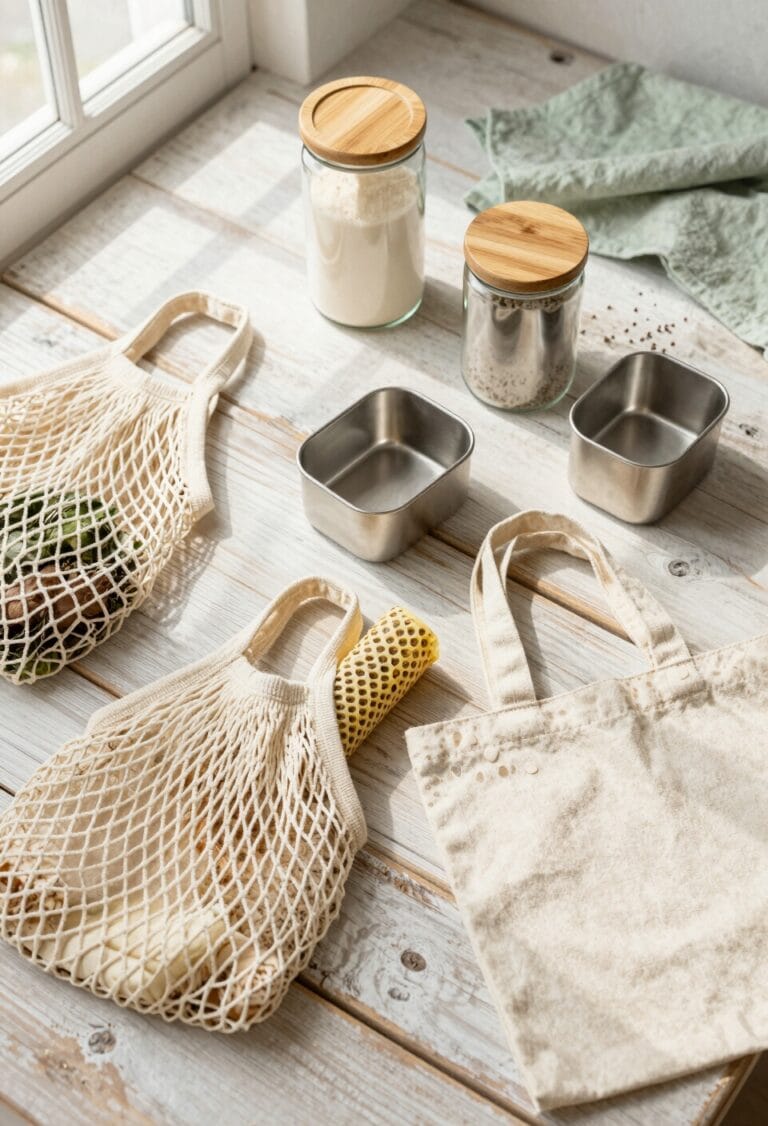
Building a plastic-free pantry routine can feel a bit overwhelming at first. Ever find yourself wondering how to keep track of everything in your kitchen without the clutter? It all starts with taking a weekly inventory of your food items. Check those expiration dates, plan meals around what you already have, and keep everything tidy. Using clear glass jars not only helps you see what you need but also makes your pantry look great.
When you’re out shopping, remember to bring along mason jars or reusable containers for those bulk items, especially at stores like Whole Foods. This little trick can save you money and help you reduce single-use plastic.
And don’t forget — making your own nut milk at home is easier than it sounds and cuts out the packaging entirely. You might even surprise yourself with how simple it is!
It’s all about making these practices part of your routine. The more you get into it, the more tips you’ll discover that make your life easier.
So, why does this matter? A plastic-free pantry not only helps the environment, but it also promotes healthier eating habits.
To sum it up, keeping an inventory, shopping smart, and making items at home can really make a difference in your pantry routine. Have you tried any of these tips yet? What works best for you?
Key Takeaways
- Conduct a weekly inventory to assess pantry items, track expiration dates, and plan meals around existing ingredients to reduce food waste.
- Organize pantry by categories, using clear glass jars and metal containers for easy visibility and freshness while minimizing plastic use.
- Implement a rotation system to prioritize using older items first and regularly clean jars and containers to maintain a tidy pantry environment.
- Use reusable bags, bulk bins, and mason jars for shopping to significantly cut down on single-use plastics and promote sustainable practices.
- Foster family involvement by discussing progress on reducing plastic waste and encouraging teamwork in pantry management and meal planning.
The Key Benefits of a Plastic-Free Pantry You Need to Know

Have you ever thought about how much plastic is hiding in your pantry? Making the switch to a plastic-free pantry might seem daunting, but it comes with so many benefits that you won’t want to overlook. Not only does reducing plastic help the environment, but it also encourages you to buy in bulk. This technique leads to less food waste and saves you money in the long run.
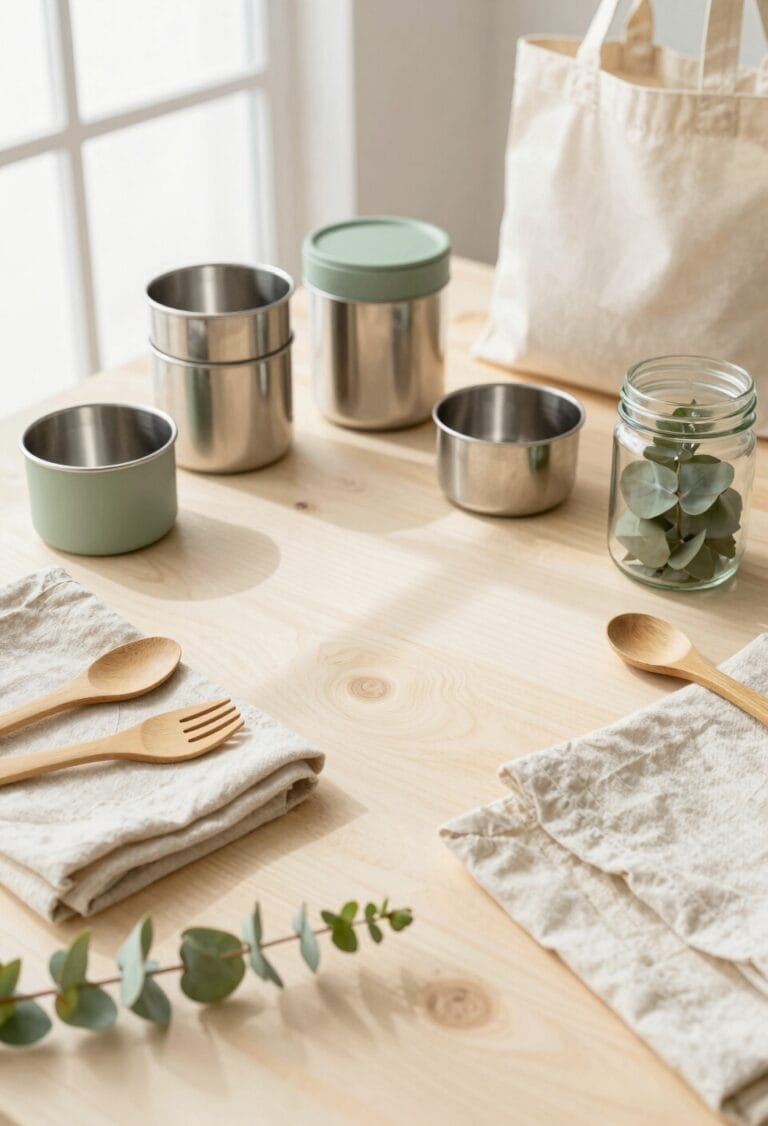
When you choose glass jars and metal containers for food storage, there’s a big upside: your food stays fresh longer. Ever had those pesky plastic containers warp or stain? It’s frustrating! Plus, there’s the added bonus of knowing you’re keeping harmful chemicals out of your food. Many plastics can leach those nasty substances into your meals.
So, why does this matter? Embracing a lifestyle that’s kinder to the planet not only benefits you but can inspire your friends and family to make similar choices. It’s like a ripple effect of positivity! Just think about the difference you can make.
Honestly, making small changes can feel overwhelming at first, but every little step adds up. By choosing to go plastic-free in your pantry, you’re taking a step towards a healthier you and a healthier planet. What’s one change you can make today? New alternatives, like silicone coffee cups, offer durable, eco-friendly options that reduce waste without sacrificing convenience.
Key Components of a Weekly Plastic-Free Pantry Routine

Creating a plastic-free pantry routine can feel like a fresh start, making your cooking experience both enjoyable and more sustainable. Ever looked at your pantry and wondered what to do with all those items? Doing a weekly pantry inventory is a great way to see what you have on hand and keep an eye on items that are about to expire. This little step can really help reduce food waste and save you money in the long run.
Don’t overlook the importance of cleanliness either. Following a pantry cleaning checklist might seem tedious, but cleaning your glass jars and storage containers is essential. It keeps everything hygienic and makes it easier to find what you need.
When planning your meals, think about using the ingredients you already have. It’s a sneaky way to encourage those bulk purchases while steering clear of unnecessary trips to the grocery store. Plus, who doesn’t love a good cooking challenge by working with what’s already in the pantry?
Keeping your pantry organized is also key. Remember to rotate your pantry items regularly; placing newer products behind older ones ensures you’re using the goods before they go bad. So, why does this matter? Because a well-organized pantry not only looks better but functions better too.
Embracing these practices can turn your pantry into a truly sustainable space. Using compostable plates at your next gathering can also help reduce plastic waste and make cleanup effortless. Give it a go this week and see how it transforms your cooking routine. What’s the first meal you’ll make with your freshly organized pantry?
Essential Steps for Monitoring and Inventorying Your Pantry

Have you ever opened your pantry and felt a wave of overwhelm because you can’t remember what you actually have? Keeping track of your pantry items might seem like a hassle, but it’s really important if you want to maintain a sustainable kitchen. Dedicating some time each week for an inventory check can really help you keep your pantry organized.
Here’s the trick: take stock of what’s in your pantry regularly. This way, you can clearly see what needs restocking and what might be on the verge of expiration. Consider using a simple app like Todoist or even just a basic spreadsheet to keep track of everything. It doesn’t have to be fancy—what matters is that you can easily access and update your records.
Implementing a rotation system can save you from wasting food. You know those older items hiding in the back of your pantry? Make sure they’re front and center so you use them up before they go bad.
Once you’ve tallied your inventory, creating a shopping list will feel like a breeze. You’ll know exactly what you need and can avoid buying things you already have. Plus, this weekly practice keeps your pantry neat and lets you feel a little more in control of your kitchen.
So, why does this matter? Keeping on top of your pantry can lead to less food waste and it makes sustainable cooking so much easier. Honestly, taking those few extra minutes each week can really pay off in the long run.
An additional sustainable choice is to incorporate biodegradable birch wood cutlery into your pantry supplies as an eco-friendly alternative to plastic utensils.
To sum it up, regular monitoring of your pantry makes cooking more efficient and reduces waste. Have you thought about setting aside time for this in your weekly routine?
Top Tips for Organizing and Cleaning Your Plastic-Free Pantry
Is your pantry looking a bit chaotic? Trust me, keeping it organized not only makes cooking simpler but also helps you stick to your goal of a plastic-free kitchen. Here’s how to tackle it:
Start by using clear glass jars for storage. They’re great because you can easily see what you have, and they keep ingredients fresh. When was the last time you wiped down those shelves? Regular cleaning is key, so set aside time to wipe them down and check for any expired items taking up valuable space.
Creating designated zones in your pantry can really streamline meal prep. Think about setting apart sections for snacks, baking, and other meal types. It just makes finding what you need so much easier! And don’t forget to schedule a clean-out every few months. It’s a good way to reassess what you have, toss out anything expired, and restock any essentials you might be low on.
Here’s a simple trick: Try sorting your food categories and rotating items. This helps reduce spoilage and waste, making it easier to maintain a tidy, sustainable pantry. Also, consider integrating eco-friendly produce bags into your routine to reduce plastic waste when shopping for fresh items.
How to Shop Sustainably for Bulk Ingredients
When it comes to shopping for bulk ingredients, have you ever thought about how your choices might affect the environment? It’s something worth considering. Bringing your own mason jars or reusable containers can be a simple way to cut down on single-use plastics that are so common in stores. And when you’re there, remember to weigh your jars before filling them up—that way, you won’t accidentally pay for their weight too!
Focusing on health food stores or grocery chains with bulk sections can really pay off. These places often offer organic and sustainable options that are better for both you and the planet. Plus, don’t overlook the produce section! Picking loose fruits and veggies means less packaging waste, which is a win-win. You might be surprised to find just how fresh and delicious they can be compared to their packaged counterparts.
Want to take your sustainability a step further? Try making things at home! Homemade nut milk or hummus can be a healthy option, and it really cuts down on your dependency on store-bought products that often come with unnecessary packaging. Using reusable bulk bin bags made from durable materials helps reduce single-use plastic waste while shopping for these ingredients.
Strategies for Maintaining Your Plastic-Free Pantry Long-Term
As you embark on your path to a plastic-free pantry, it can feel a bit overwhelming. That’s why it’s important to have some solid strategies in place to keep things manageable. Why does this matter? Well, a cluttered pantry not only adds stress but can also lead to unnecessary plastic use and waste.
First up, try creating a weekly food inventory checklist. This simple tool helps you track what you have on hand. Plus, it makes sure that everything’s stored in glass jars or metal containers, which keeps your pantry looking sharp and organized. It can also help save you money by preventing overbuying.
Speaking of organization, don’t forget the power of regular clean-outs. Setting aside time each month to clear expired items and rearrange your pantry can make a big difference. You’ll feel refreshed and more in control. Along with this, consider labeling your containers with eco-friendly materials. Marking the purchase dates will help you prioritize older items and reduce waste.
It’s also a great idea to encourage everyone in your household to use reusable bags when shopping. This little change can really cut down on plastic waste. But how do you get everyone on board? Engage them in a conversation about why reducing plastic matters. When everyone understands the impact, they’ll likely be more motivated to participate.
Finally, keeping everyone involved in pantry management not just helps with awareness, but it can bring a sense of teamwork to your efforts. So, have little family chats about what you need or what’s getting low. Additionally, incorporating PLA lined cups and other compostable alternatives into your routines can further reduce your reliance on plastic products.
Frequently Asked Questions
What Are the 7 Pantry Zones?
Think of our pantry as a symphony, with seven zones: Breakfast, Baking Staples, Grains, Meals, Snacks, School Prep, and Cooking Essentials. These pantry organization tips optimize food storage solutions, showcasing eco-friendly containers and effective shelf life management.
How to Create a Plastic Free Kitchen?
To create a plastic-free kitchen, let’s use sustainable materials like glass and metal for our storage. Embracing bulk buying, reusable containers, and eco-friendly organization guarantees we focus on organic ingredients and adopt effective composting tips for zero waste.
What Should Every Pantry Have?
Every pantry should stock essential pantry staples like whole grains, dried beans, and healthy snacks. Let’s not forget cooking oils, herbs, spices, and a selection of non-perishable canned goods for versatile meal preparation!
What Are Some Common Pantry Design Mistakes?
We often overlook pantry organization tips, leading to common clutter issues. By implementing space utilization strategies, proper labeling systems, and considering shelf height, we can solve food accessibility problems and enhance our pantry maintenance routines for better efficiency.