As an Amazon Associate, we earn from qualifying purchases. Some links on this site are affiliate links at no extra cost to you. Our recommendations are based on thorough research and editorial judgment.


How to Freeze Food Without Disposable Freezer Bags

Have you ever looked in your freezer and felt guilty about all those disposable bags? It’s a common dilemma, especially when you’re trying to be more eco-friendly. The good news is, freezing food without disposable freezer bags is simpler than you might think!
Try using glass containers, like Ball mason jars. They’re sturdy and great for keeping your food safe. If you prefer something a little more versatile, reusable silicone bags are fantastic too. They’re not only flexible, but also dishwasher-safe, making cleanup a breeze.
When it comes to meat, here’s the trick: wrap it tightly in wax paper. This keeps the moisture in and helps preserve flavor.
Got some casseroles to freeze? Metal baking dishes work like a charm, just remember to cool everything down before you pop them in the freezer. And don’t forget to leave some headspace; food can expand, and you don’t want a mess.
So, why does this matter? By ditching those disposable bags, you’re not just saving money; you’re also reducing waste and helping the planet. Frankly, it feels great to know you’re doing your part.
In summary, freezing food without disposable freezer bags is totally possible with a few simple changes. What other eco-friendly tips do you have for keeping food fresh?
Key Takeaways
- Use glass containers with proper headspace for freezing liquids and solids, ensuring to cool food completely before placing it in the freezer.
- Opt for reusable silicone bags that are flexible and leak-proof, allowing you to squeeze out excess air to prevent freezer burn.
- Store casseroles and pasta bakes in metal baking dishes covered with reusable lids or foil for optimal freshness and protection against air exposure.
- Wrap meats tightly in wax paper, adding aluminum foil for extra protection, and label each package with the date and type of meat.
- Experiment with cloth bags and compostable bags for various portion sizes, promoting biodegradability and reducing waste.
Why Go Plastic-Free When Freezing Food?
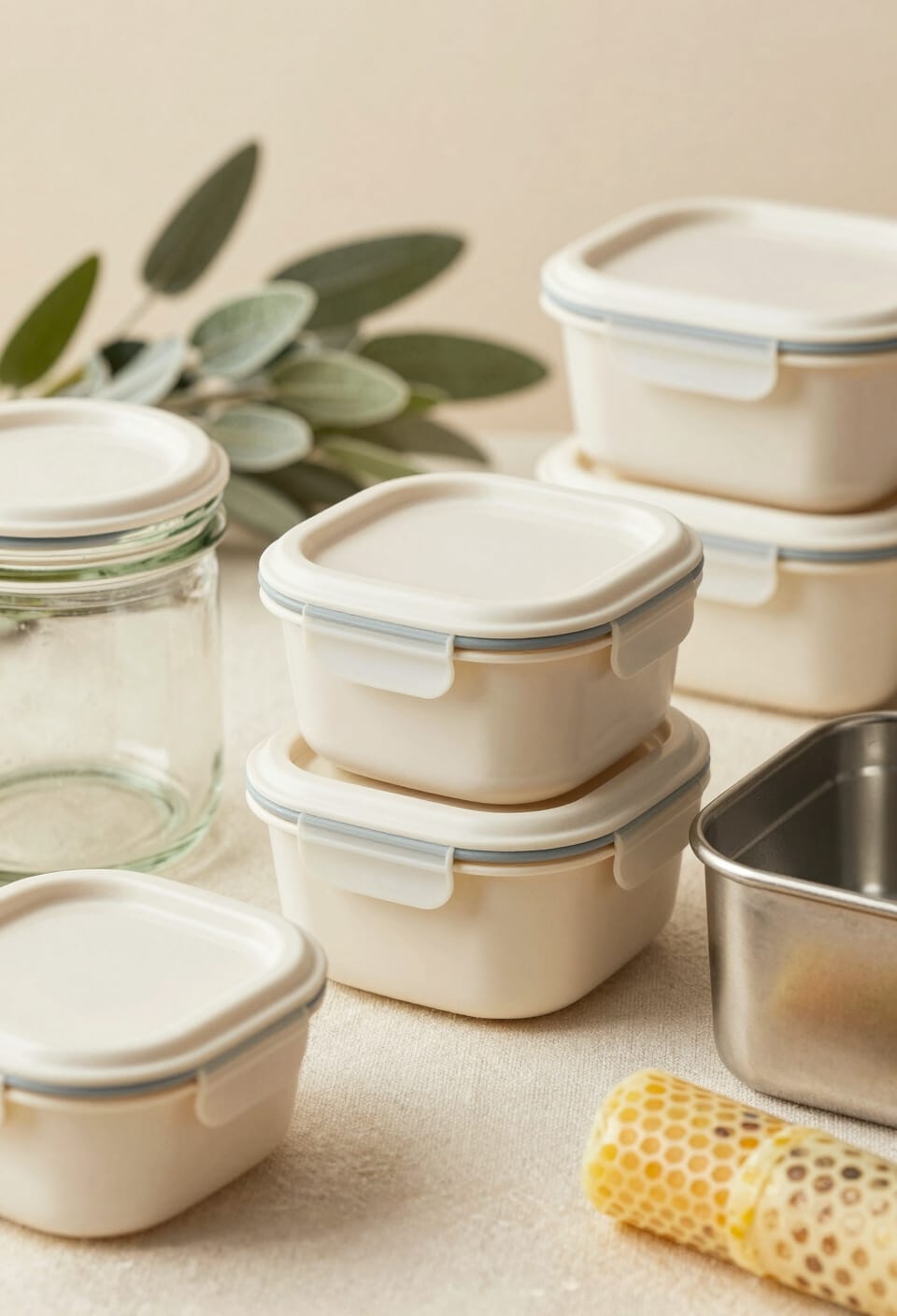
When it comes to freezing food, have you ever stopped to think about all the plastic we’re using? Each year, plastic waste pumps over 141 million tonnes of pollution into our world, and you can actually do something about it. Choosing glass containers or reusable silicone bags isn’t just about cutting back on plastic; it’s also a healthier option for you and your family.
Here’s the trick: glass won’t leach harmful chemicals into your food, especially when it’s in the freezer or when you reheat it. That’s a huge plus when you’re trying to keep things safe in the kitchen. Think about the implications of this — the convenience of switching to these alternatives can also help reduce your carbon footprint.
Plus, this aligns with bigger initiatives, like the upcoming ban on single-use plastics that you might have heard about. Making that switch can feel really empowering.
Reusable silicone snack bags are an excellent choice because they are BPA-free and leak-proof, making them safe and practical for freezer use.
So, what’s holding you back? It’s an easy change that can streamline how you store food, all while being kinder to the environment.
In the end, making mindful choices about how we freeze food can be simple yet have a lasting impact. Are you ready to embrace a plastic-free lifestyle in your kitchen?
The Best Containers for Freezing Food Without Plastic
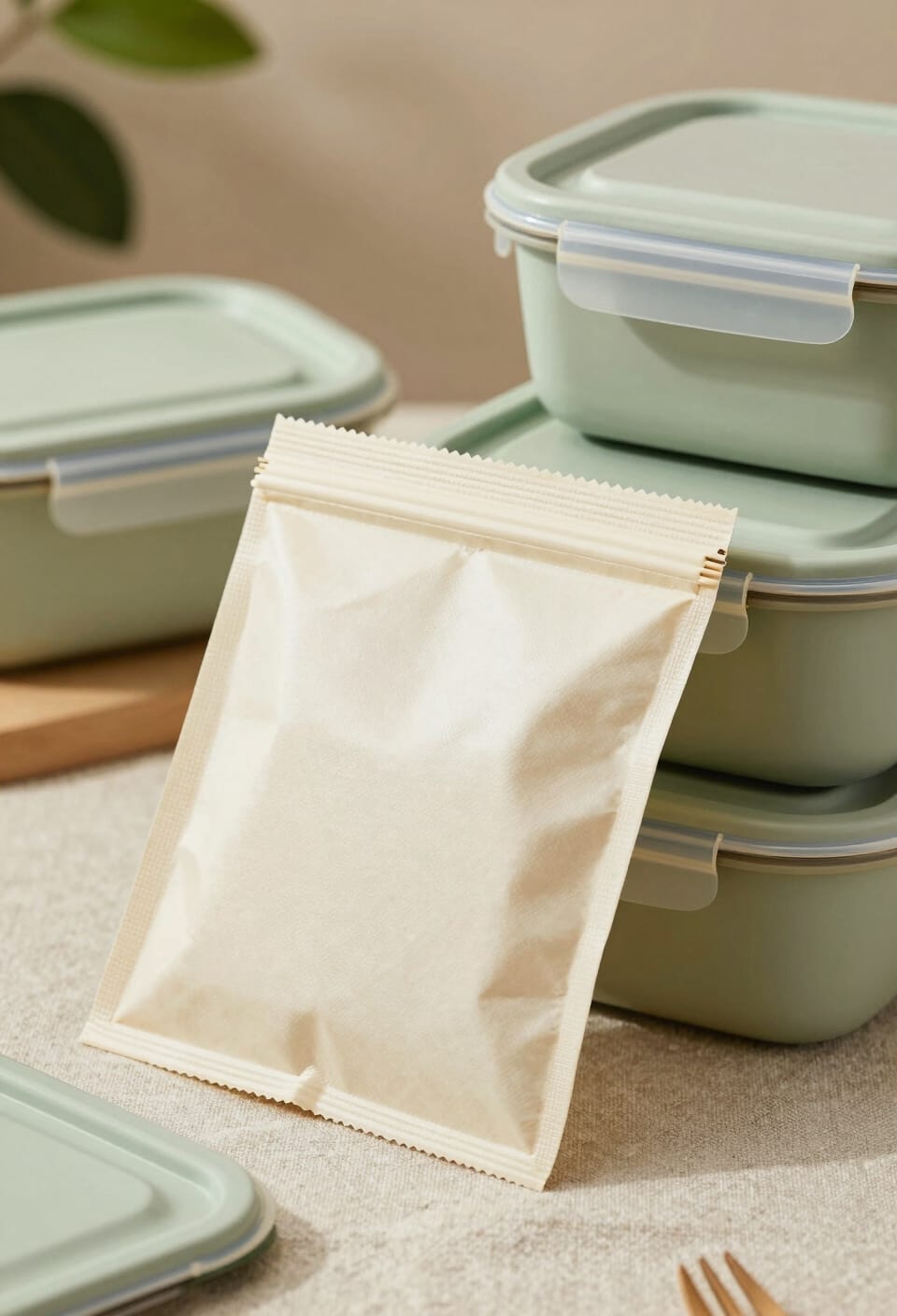
Choosing the right containers for freezing food can be a challenge, especially if you’re trying to cut down on plastic. Ever thought about how much plastic we end up using in the kitchen? It’s a lot! That’s why finding durable glass containers, like mason jars, is a solid option. They’re fantastic for freezing liquids and solids because they can handle expansion without breaking.
If you’re looking for flexibility, reusable silicone bags are worth considering. They’re leak-proof and easy to clean, plus you can pop them right in the dishwasher. And don’t forget about stainless steel containers. They’re perfect for freezing casseroles, which means you can ditch those disposable foil trays.
Got food that needs wrapping? Try using cloth bags coated with beeswax. They keep your food fresh while helping to reduce waste. For portion control, wax paper is a great solution. It’s perfect for wrapping up individual servings, making it easy to grab what you need and cutting down on single-use plastic bags. For an even more eco-friendly option, consider compostable bags made from renewable materials like PLA and PBAT that break down naturally, helping reduce environmental impact over time and promoting biodegradability and composting.
Tips for Safe Freezing in Glass Containers
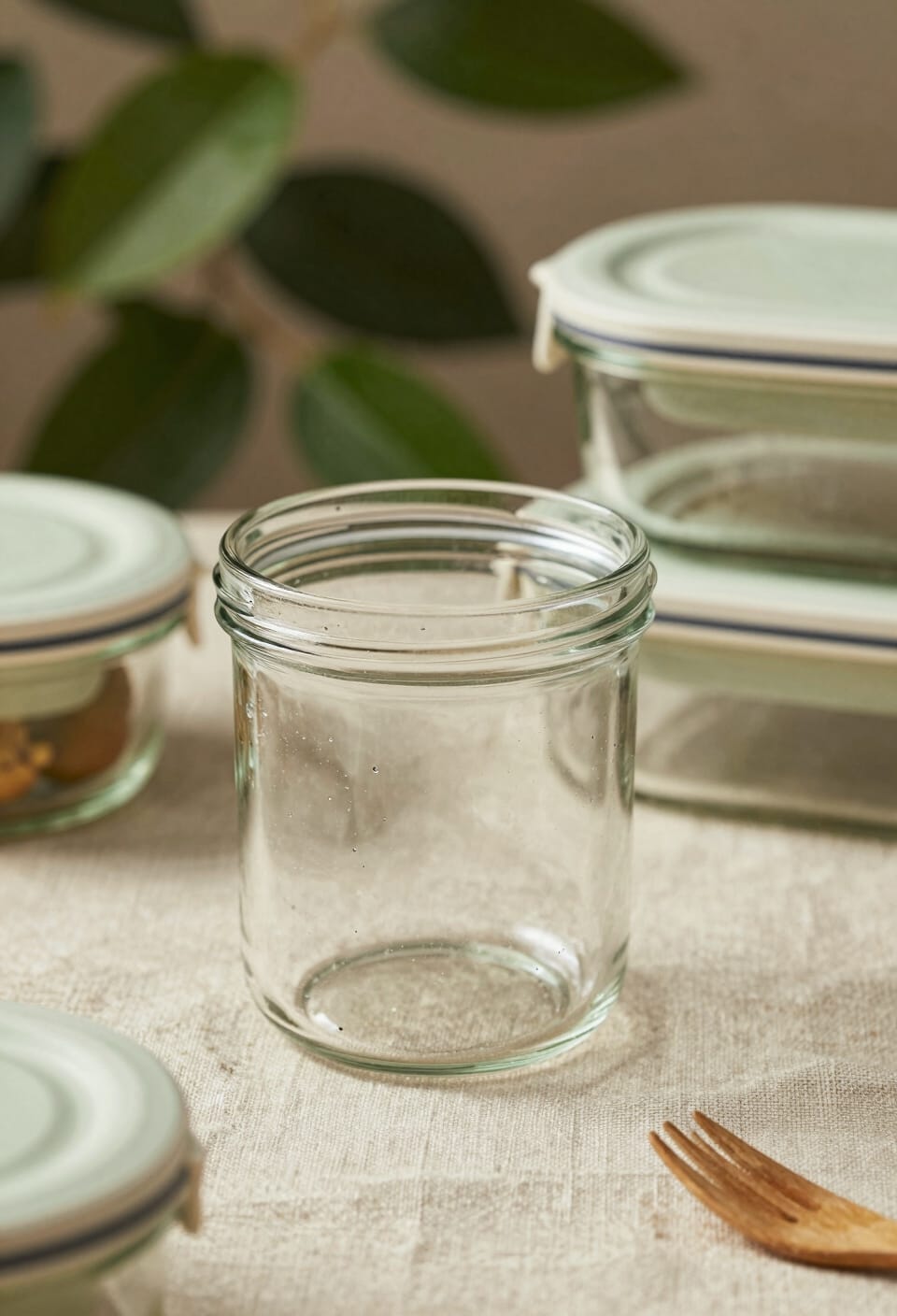
Freezing food in glass containers is a savvy way to keep meals fresh while cutting down on plastic use. But have you ever wondered what it really takes to freeze properly? For liquids, remember to leave at least ¾ inch of headspace. This little trick allows for expansion, keeping your glass safe from breakage.
It’s crucial to make sure all your food is completely cooled before you freeze it. This simple step will help you avoid thermal shock and that dreaded cracking noise. When choosing glass containers, opt for wide-mouth or straight-sided jars like Ball or Kerr—they tend to be sturdier for freezing.
Before you tuck those containers away in the freezer, don’t forget to label them. Marking contents and dates can save you from those head-scratching moments when you find a mystery dish six months later. Plus, if your freezer’s getting crowded, consider rearranging things. Good air circulation keeps everything frozen evenly and helps prevent freezer burn.
So, what’s the best way to thaw? Instead of sticking the frozen containers in the microwave or running them under hot water, try moving them to the refrigerator overnight. This gentle approach helps your food maintain its texture and flavor.
To wrap it up, freezing food in glass is a practical choice, and with these tips, you can avoid common pitfalls. Have you found any tricks that work for you when freezing meals? Using recyclable packaging for your storage solutions is an eco-friendly way to reduce waste.
Freezing Food With Reusable Silicone Bags
Are you tired of throwing away single-use plastic bags every time you freeze food? You’re not alone. Many of us have been searching for better ways to store our favorite snacks and meals without harming the planet. Enter reusable silicone bags—not just good for the environment, but super handy in the kitchen, too!
Reusable silicone bags are an eco-friendly alternative to those disposable freezer bags. They help cut down on plastic waste, which is something we can all get behind. These bags are specifically designed for freezer storage, so they work perfectly for organizing everything from fruits to proteins without leaching harmful chemicals into your food.
What’s awesome about them is their flexible design. You can easily squeeze out excess air, which is key to avoiding freezer burn. No one likes finding frosty, sad-looking leftovers a few months later! Plus, they’re made from durable materials that won’t tear or crack in your freezer.
Cleaning up is also a breeze—just toss them in the dishwasher or wash with soapy water, and they’re ready to use again. These bags come in various sizes, so whether you’re stashing snacks for the kids or meal-prepping for the week, you’ll find the right bag to fit your needs. Brands like Stasher or Zip Top have great options that you might want to check out.
Truth is, using reusable silicone bags for your frozen food doesn’t just help you stay organized; it also contributes to a cleaner planet. So, why not give them a try? You just might find they make food storage simpler while also making a positive impact on the environment. Have you switched to reusable bags yet? What’s holding you back? Many of these bags feature a wide temperature resistance range that allows safe use in freezer, microwave, and even oven applications.
How to Freeze Meals in Metal Baking Dishes
When it comes to freezing meals, metal baking dishes are a solid choice, especially if you’re looking to cut down on plastic in your kitchen. These sturdy containers are just the thing for freezing casseroles or pasta bakes. But here’s the trick: make sure to let your meals cool completely before putting them into the dishes. This simple step helps prevent freezer burn and keeps your food tasting fresh.
After cooling, it’s a good idea to cover your dishes with reusable lids or aluminum foil. This creates a barrier against air that can ruin your meals. Also, don’t forget to label each dish with what’s inside and the date you froze it. This way, you’ll know exactly what you have and remind yourself to eat the oldest meals first.
Honestly, using metal baking dishes isn’t just eco-friendly; they’re practical for long-term freezer storage. So, why does this matter? It helps you keep your meals organized and makes your weeknight dinners a breeze. With a little preparation, you’ll find that freezing meals can save you time and reduce stress on busy nights.
To recap, remember to cool your meals, cover them well, and label everything. Have you tried freezing your meals in metal dishes? If not, maybe give it a shot! Adding sustainable food storage options like these aligns well with an eco-friendly lifestyle.
Recommended Products

TRIPLE ORGANIC FAMILY PACK:- NuManna is proud to introduce the first ever line of Organic Long-Term Food Storage Products. These products are all organically certified, scientifically backed and hands down the best food storage products on the market today. These healthy meals are ready to fix in minutes, they taste great and they can also be used multiple times due to their convenient re-sealable bags.

45% larger handles that provide a sure grip, even with oven mitts

Durable: Our disposable pans with lids are now made with a heavier gauge aluminum, providing enhanced strength and sturdiness, making them ideal for both home kitchens and the food service industry.
What’s the Best Way to Freeze Soups and Liquids?
Have you ever tried freezing soups and liquids, only to end up with a frozen mess that doesn’t taste quite right? It can be a bit tricky, but with a few straightforward tips, you can make the process much smoother and keep your soups tasting delicious.
First off, always let your soups cool completely. Refrigerating them overnight works wonders here. Once they’re chilled, you can fill up your glass jars or freezer containers. Don’t skip this step! It’s crucial to leave at least an inch of headspace in those containers since liquids expand when frozen.
When you’re looking to cut down on plastic waste, straight-sided glass jars are a fantastic option. They’re sturdy and work perfectly for freezing. Plus, it helps you maintain a zero-waste kitchen, which is a bonus these days.
Looking to save space and make portions easier? Try this: freeze your soups in ice-cube trays. After they’ve solidified, just pop those cubes into larger containers. It’s a great way to have flexible portions on hand whenever you need them.
So, how do you go about thawing them? Honestly, the best method is to let your frozen soups sit in the fridge overnight before you want to eat them. This way, you get to maintain the flavor and texture without risking breakage from rapid heating.
In a nutshell, freezing soups doesn’t have to be a hassle. With these tips in mind, you could have a lovely stash of homemade soup ready when you need it. What’s your favorite soup to make and freeze?
To support eco-friendly practices even further, consider using compostable containers to reduce plastic waste in your kitchen.
Recommended Products

LOCKS IN FRESHNESS: Precision-engineered lids create a True Airtight Seal that locks in freshness and keeps out air, moisture, and pests, making these glass food containers perfect for extending shelf life and preserving the flavor of dry goods.
![BRIVARA HOME 20-Piece Glass Food Storage Containers Set with Lids (10 Containers + 10 Lids) | Microwave-Safe Airtight Seal, Oven-Safe Ceramic-Coated Glass | Zero Plastic, No PFAS/PFOA/BPA [Crema]](https://m.media-amazon.com/images/I/41foTG-whSL._SL500_.jpg)
20 PIECES, 10 CONTAINERS PLUS 10 LIDS! Ten ceramic-coated glass containers and ten matching lids in six sizes (2.5, 5, and 8 cup squares plus 3, 6, and 11 cup rectangles), covering everything from leftovers to weekly meal prep. More usable pieces than most 13 piece competitor sets.

CRYSTAL CLEAR PLASTIC Lightweight, Impact Resistant, BPA free (Not Dishwasher Safe) Freezer Safe Food Grade PET Plastic Containers
Fun and Easy Ways to Freeze Meat With Wax Paper
Freezing meat can feel like a daunting task, especially if you’re trying to figure out the best way to keep it fresh without using plastic. Have you ever wondered if there’s a better option? Wax paper might just be the answer you’re looking for! It’s a simple and effective alternative for wrapping meat, and it’s way better for the environment, too.
To get started, begin by portioning your meat into convenient servings. Once that’s done, wrap each piece tightly in wax paper. This not only helps in creating a moisture barrier that fights off freezer burn, but it also keeps your meat in perfect condition. For extra protection, you might want to add a layer of aluminum foil over the wax paper. It’s a little extra work, but trust me, it makes a big difference in keeping things fresh.
Now, here comes the best part: using wax paper cuts down on all that plastic waste since it’s compostable. Plus, when you’re ready to grab some meat, you won’t have to dig through a mountain of plastic bags. Instead, you can easily see and separate your servings. Just remember to label each package with the date and type of meat so you know exactly what you’ve got on hand.
In addition to reducing plastic, choosing materials like wax paper supports biodegradable packaging that breaks down naturally, helping protect the environment.
Organizing Your Freezer With Plastic-Free Solutions
Organizing your freezer can be quite a challenge, especially if you’re trying to cut out plastic. It can feel overwhelming, but there are practical solutions that can help simplify the process. For starters, think about using glass containers. They’re sturdy, chemical-free, and work great for all sorts of foods. Plus, you can see what you’ve got at a glance!
Another excellent option to consider is reusable silicone bags. They’re not only flexible but also easy to clean—truly a solid choice for anyone looking to go plastic-free. If you’ve got small items like herbs or leftover broth, using labeled jars can really make a difference. This way, you can quickly see what you have without digging through a chaotic freezer.
Now, let’s talk about a few more handy ideas. Reusable cloth bags and beeswax wraps can be tailored for different types of food, offering eco-friendly solutions that align with a sustainable lifestyle. So, why does this matter? It’s all about reducing waste and finding ways to keep our kitchens organized.
When it comes to freezing liquids in glass containers, be sure to leave some headspace. This prevents breakage and keeps everything in your freezer organized and safe. It’s little tips like these that really make the process smoother.
Additionally, choosing storage solutions made from eco-friendly bamboo can enhance sustainability efforts while providing durable and natural kitchen organization.
To wrap it up, simplifying your freezer can lead to less waste and a more sustainable kitchen. How do you currently organize your freezer? Maybe it’s time to try out some of these ideas!
Recommended Products

Set Includes: Vacuum pump body x 1, USB cable x 1, Vacuum glass container S / M x 1, Vacuum storage bag S / M x 2, Clip x 1, Liquid protector x 1

Set includes: 1 small, 1 medium and 1 large glass container, 1 glass fridge box, 10 assorted vacuum bags, 1 vacuum wine sealer, 1 vacuum pump Containers are temperature resistant: 0°F to 356°F Freezer-safe, microwave safe (without vacuum seal), ovenproof (without lid) All container sizes are stackable for easy storage Container lids will create a perfect seal Vacuum bags: BPA-free plastic. Glass containers: borosilicate glass (base), plastic (lid), silicone (valve, seal) Marinate and prep/cook sous vide under vacuum with Fresh & Save Store, bake, and serve all with the same container. Vacuum pump can be charged with the included USB cord All containers are dishwasher safe

MAXIMIZE VALUE - 50 x (Non-Silicone) Strong Poly-Nylon Bags Made in USA, Subject to California's Relevant Regulations & Quality Control Standards, Ensuring Consumers Smelly Proof Bags Adhere to Highest Benchmarks,
Tips for Thawing and Reheating Frozen Foods Safely
When it comes to diving into those frozen meals you’ve stashed away, you might be wondering how to thaw and reheat them safely, right? The truth is, if you want to keep your food both safe and tasty, there’s a bit more to it than just microwaving everything.
Try this: Place frozen foods in the refrigerator overnight. It’s a simple step that ensures your meals thaw slowly and evenly, cutting down on the chance for bacteria to grow. Remember, leaving food out at room temperature can lead to spoilage. Nobody wants that!
When it’s time to reheat, go for that internal temperature of at least 165°F (74°C). This is crucial for ensuring that any lingering bacteria are killed off. If you’re dealing with soups or stews, heating them on the stovetop is your best bet. Just make sure to stir occasionally so everything warms up evenly. If you’re in a hurry and opting for the microwave instead, cover the food while it heats, and remember to stir it halfway through. This helps distribute the heat more evenly, which is key for not just taste but safety, too.
Using biodegradable materials like coconut coir in food storage and gardening helps reduce environmental impact while promoting sustainability.
Honestly, taking these extra steps isn’t all that difficult. It takes just a bit of planning ahead, but it definitely pays off in the end. So, the next time you’re faced with a frozen meal, you’ll be ready to enjoy it without any worries. What’s your favorite frozen dish to reheat?
Smart Freezing Techniques to Reduce Food Waste
Have you ever opened your freezer only to find a mountain of frozen food that’s covered in ice crystals or worse, forgotten and wasted? Properly storing food in your freezer can really help extend its shelf life and cut down on that pesky waste.
Instead of reaching for those disposable freezer bags, give reusable silicone bags a try. They’re not only durable but also easy to clean, which means less plastic waste piling up. When it comes to seasonal fruits, consider freezing them individually on a cookie sheet first. Once they’re frozen, transfer them into glass jars. This way, you’ll have the perfect portion ready to go whenever you need it!
If you’ve got cooked dishes to freeze, don’t overlook metal baking pans. They work wonders for casseroles and are an eco-friendly choice too. And here’s a handy tip: wrapping items in butcher paper can help protect them from freezer burn without adding any plastic to your kitchen.
So, why does this matter? These small changes can greatly benefit not just your meals but also the environment. You can make a big impact on reducing food waste, which in turn helps save money and resources.
Think about it: Every little step towards sustainable living counts. What easy changes can you make today to use your freezer more effectively? Consider also how zero-waste practices in your kitchen complement these smart freezing techniques.
Frequently Asked Questions
What Is the Best Way to Freeze Food Without Plastic Bags?
Ironically, while plastic bags shout convenience, we’ve found joy in freezer-friendly glass jars, vacuum-sealed silicone bags, and even beeswax wraps. Let’s embrace reusable containers and aluminum foil to keep our food fresh and guilt-free!
What Can You Use if You Don’t Have Freezer Bags?
If we don’t have freezer bags, we can use mason jars for liquids, vacuum sealing for freshness, reusable containers for convenience, and store leftovers with parchment paper or aluminum foil to prevent freezer burn.
How to Freeze Something Without a Freezer Bag?
To freeze something without a freezer bag, we can use reusable containers like glass jars or silicone bags, vacuum sealing, beeswax wraps, or even freezer-safe foil—each option helps keep our food fresh for longer.
What Can You Use Instead of Plastic Wrap to Freeze Food?
We can use beeswax wraps, reusable containers, or glass jars to freeze food. Aluminum foil, parchment paper, and silicone bags are also great alternatives, ensuring our food stays fresh while reducing plastic waste.


