As an Amazon Associate, we earn from qualifying purchases. Some links on this site are affiliate links at no extra cost to you. Our recommendations are based on thorough research and editorial judgment.

How to Make Cleaning Refillable: Labels, Dilutions, and Safety

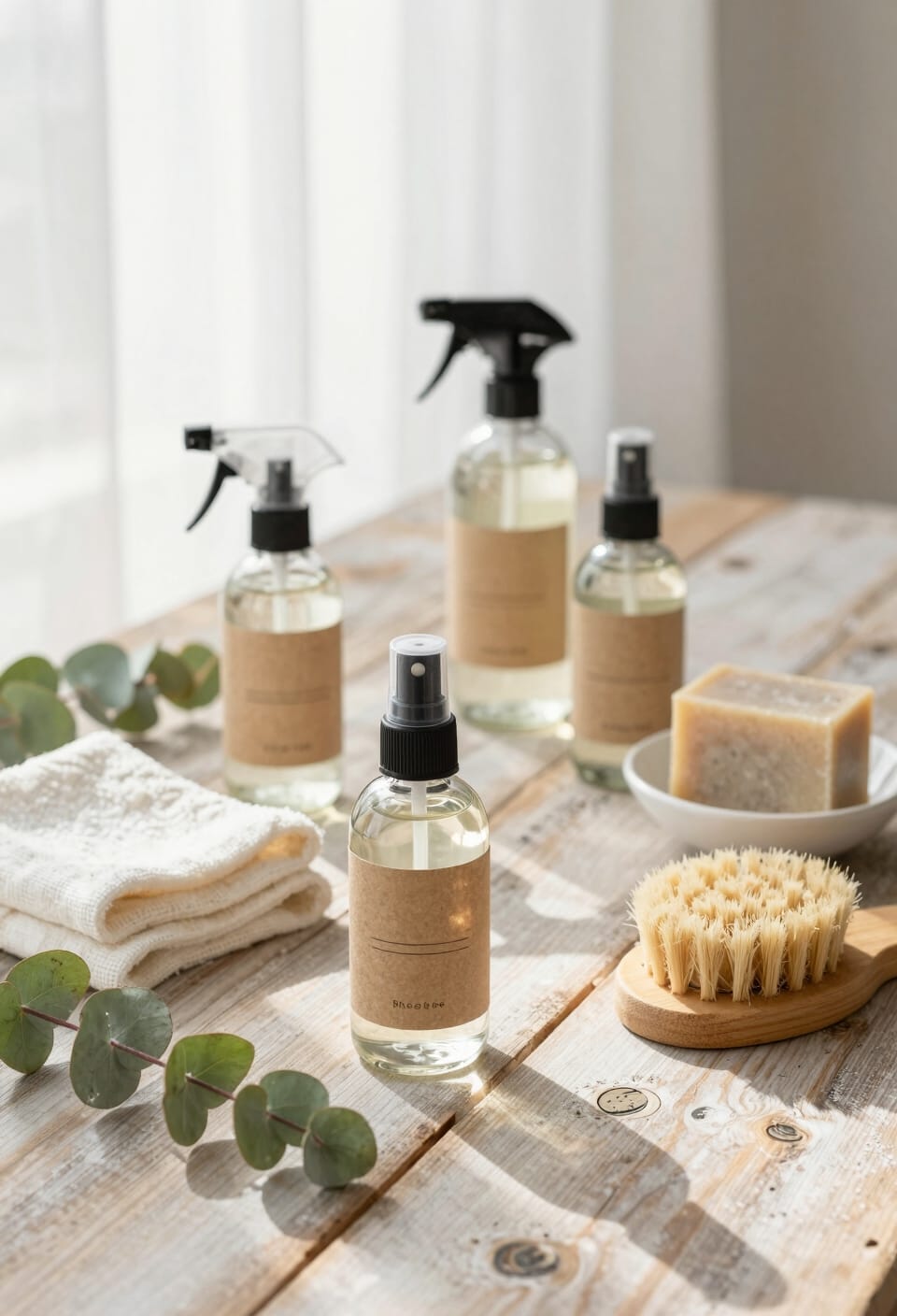
What if you could make your cleaning routine not just effective but also eco-friendly? When it comes to making cleaning products refillable, there are a few key things to keep in mind—clear labels, proper dilutions, and safety.
First off, let’s talk labels. Having clear information on your cleaning products is crucial. You want to see the ingredients, usage instructions, and just as importantly, any safety warnings, like first aid tips. If you grab a bottle, it’s nice to know exactly what you’re working with and how to use it safely.
Now, dilution is where a lot of people go wrong. It’s vital to follow the right mixing guidelines to ensure that your cleaning solution works well. The last thing you want is a weak cleaner because you didn’t measure it right! Tools like measuring cups or proportioners can make this process a breeze. Honestly, they take the guesswork out of it, making it easier to mix accurately.
Don’t forget about packaging! Using sustainable options dramatically cuts down on waste. So, every time you refill, you’re not just saving money, but you’re also helping the planet.
In summary, focusing on labels, practicing proper dilution, and using sustainable packaging can make your cleaning products more eco-friendly. Why not try integrating these tips into your routine?
You might find that not only are you cleaning smarter, but also contributing to a healthier environment.
Key Takeaways
- Develop clear labels that include ingredient information, usage instructions, and safety warnings to promote consumer understanding and compliance with regulations.
- Provide accurate dilution instructions and measuring tools to ensure effective cleaning and minimize risks associated with incorrect mixing.
- Utilize refillable containers and sustainable packaging to significantly reduce plastic waste and promote environmental responsibility among consumers.
- Implement a refill subscription service and educational resources, like QR codes, to simplify the refill process and enhance user experience.
- Ensure ingredient safety by selecting EWG Verified products and promoting transparency in formulations to build consumer trust and loyalty.
Why Clear Labels Matter for Refillable Cleaning Products

When you reach for refillable cleaning products, have you noticed how important clear labels are? They’re not just for looks; they play a huge role in safety and how well those products work for you. Knowing what’s in your cleaning supplies means you can make better, safer choices for your home.
Here’s the thing: when labels include ingredient info, it helps you understand any potential health risks you might face. And let’s be real—who hasn’t messed up a cleaning solution with the wrong dilution? Clear usage instructions can prevent those “oops” moments that lead to unsafe situations.
Moreover, companies must comply with OSHA and EPA regulations, which means they should highlight active disinfectants and any ingredients that could be harmful. If you see a label with a third-party certification, like the Safer Choice program, that’s a good sign. It means that you’re likely making a smart choice for both your family and the environment.
And if you’re wondering about storage or disposal, guess what? Clear labels guide you on those points too, ensuring your home stays safe and clean. So, why does this matter? It’s all about protecting your health and navigating your cleaning journey with confidence.
To sum it up, clear labels on refillable cleaning products are vital for safety and usability. They empower you to make informed choices and keep your home clean without unnecessary risks. Are your cleaning labels as clear as they should be? Including information on environmental impact helps consumers understand the benefits of choosing sustainable products.
Essential Information for Your Cleaning Product Labels

Have you ever grabbed a cleaning product and felt a little uneasy about what’s actually in it? When it comes to keeping your home clean, knowing what’s in the products you use is key. A well-labeled cleaning product not only keeps you informed but also gives you the confidence to use it around your family and pets.
Make sure the label lists ingredients in order from highest to lowest percentage. This way, you can easily spot the essential components for safety. Clear directions for how to use the product are a must, so you’re not left guessing. Safety warnings are just as important, especially when it comes to potential hazards. So, make it a habit to check for first aid instructions and proper disposal recommendations too.
Looking for durable packaging? Opt for materials that can withstand chemical exposure. This little choice can make a big difference in keeping your products safe and effective. Honestly, being transparent about what’s in our cleaning solutions helps us feel good about our eco-friendly choices. Choosing products with biodegradable materials can enhance your commitment to sustainability.
To wrap it up, remember to always check those labels before you clean. What steps do you take to ensure your cleaning products are safe for your home?
Achieving Proper Dilution for Effective Cleaning Solutions
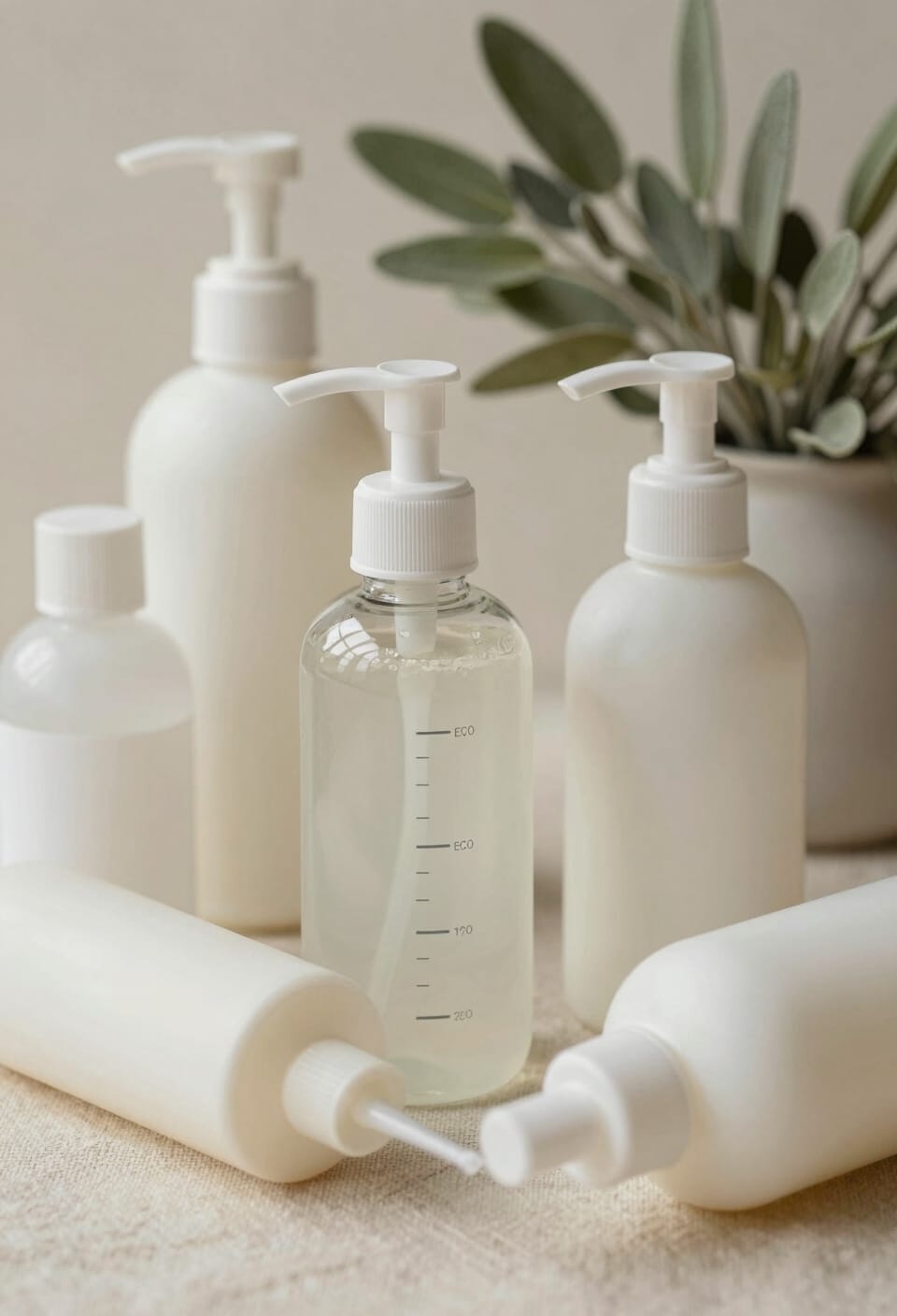
How many times have you scrubbed a surface, only to find it still not as clean as you’d hoped? It can be frustrating, can’t it? Getting the right dilution for your cleaning solutions is crucial for achieving better results and ensuring your family’s safety.
When you follow the product labels for dilution specifications, you not only maximize cleaning effectiveness but also lower health risks. Here’s a little tip: missing the mark with dilution can lead to leftover residue on surfaces. This can make them seem dirtier and drag out your scrubbing time. So, why does this matter? Because that just means more work for you!
To get it right, consider investing in some handy measuring tools like proportioners or spigot containers. They make it easy to mix your cleaning solutions accurately, and you’ll find your supplies last longer, which saves you money in the long run. Plus, when you consistently use the right dilutions, you can really start to see how well your cleaning solutions perform.
Each time you mix up the perfect batch, you’re stepping up your cleaning game while keeping safety and efficiency at the top of your list. Let’s face it, we all want our homes to be fresh and safe! So next time you grab those cleaning products, remember: the right mix is key to a cleaner, healthier home. What cleaning tip do you swear by for a sparkling space?
Using rust-resistant copper scrubbers can enhance your cleaning routine by effectively tackling tough grime without damaging surfaces.
Navigating Safety Regulations for Your Labels
Navigating safety regulations for your cleaning product labels can feel pretty daunting, can’t it? But you really can’t skip this step if you want to keep your home safe and ensure you’re following the rules. One important thing to remember is listing the active ingredients clearly. That’s mandatory under OSHA and EPA guidelines, and it helps your customers know exactly what they’re using.
When you transfer cleaning products to new containers, updating your labels is a must. You want to convey the right hazard information, so systems like HMIS and GHS are your best friends here. Many people overlook this part, thinking it’s just more paperwork, but trust me, it can truly make a difference.
Don’t forget to include Safety Data Sheets (SDS) with each product. These sheets provide vital information ranging from the product’s hazard levels to emergency procedures. Why is that crucial? Because it keeps everyone informed and prepared for anything unexpected.
Using cautionary statements about things like ventilation and chemical residue can really ramp up user awareness. Simple reminders can go a long way in keeping people safe.
On top of all this, consider snagging third-party certifications like Green Seal or the EPA’s Safer Choice. Not only do these labels reassure customers about your product’s safety, they also show you care about what’s in their homes.
Additionally, when storing your refillable products, using containers made from eco-friendly materials can reduce environmental impact and promote sustainability.
To sum it all up, navigating these safety regulations might take a bit of work, but staying compliant is key. What steps are you planning to take to make your labels safer?
Tools for Accurate Measuring in Chemical Use
Mixing cleaning solutions isn’t just about getting the right look; it’s crucial for safety and effectiveness. Ever feel like you’ve mixed something just a bit off? That can lead to ineffective cleaning or worse, safety hazards. That’s why having accurate measuring tools on hand, like measuring cups and proportioners, is so important. Proper dilution is key, and using automated chemical mixing stations can really help cut down on mistakes while ensuring your cleaning tasks stay consistent.
The cool thing about metering technology in auto scrubbers is that it really helps you control the amount of solution you’re using. It means less waste, which is better for both your budget and the environment. And if you’re using concentrated chemicals, spigot containers that dispense just the right amount can make things so much easier. One quick tip: always read the labels on those cleaning products, and keep them out of children’s reach. Additionally, selecting eco-friendly materials like biodegradable bamboo cutlery supports broader environmental safety efforts alongside proper chemical use.
How Sustainable Packaging Reduces Environmental Impact
Have you ever looked around your home and thought about all the packaging waste piling up? It’s a familiar problem many of us face, but there’s a solution that not only helps the planet but also saves you some cash—sustainable packaging.
Instead of reaching for those single-use plastic bottles for your cleaning supplies, think about switching to refillable containers. This simple change can make a big difference in reducing waste, especially since single-use plastics are such a growing problem. And when you choose products that come in safe, sustainable packaging, it’s a win-win. You’re not just making a good choice for your home, but you’re also helping reduce pollution for future generations.
Here’s the buzz: if we only replaced 20% of single-use packaging, we could create a market that’s worth around USD 10 billion. That’s huge! And with new regulations pushing for more recyclable materials, this shift toward sustainability isn’t just smart; it’s necessary.
Another perk of using refillable containers is that they often offer a longer shelf life. So not only do you cut down on clutter in your home, but you can also enjoy products that last longer. Plus, consider this point: keeping harmful cleaners out of reach from kids is crucial for peace of mind. Isn’t that worth it?
Furthermore, incorporating compostable bags into your waste management can enhance your overall eco-friendly practices by reducing plastic pollution.
Truth is, all of these small changes could lead to a pretty big impact. We really can make a difference together. What’s stopping you from giving sustainable packaging a try?
Implementing Refillable Models in Your Brand
Making the switch to refillable models is a fantastic way to rethink how our products impact the environment. It’s no secret that packaging waste is a major issue, and refillable options could significantly cut down on that. Just imagine how much money could be saved while also helping Mother Earth!
So, what are some practical ways to make this work? Subscription services could allow customers to easily refill containers right at home. It not only simplifies the process but also empowers customers to feel great about the choices they’re making. Refilling on the go is another smart approach; when customers bring their own containers, it reduces waste and makes it easy to personalize cleaning products to their liking.
Have you thought about partnering with platforms like Loop? It’s a smart way to keep control over packaging and ensure it gets reused. Plus, you can engage customers even further by using QR codes for simple refill instructions. Honestly, it’s all about making this journey as easy and enjoyable as possible for them.
The best part is, you can build a brand that not only meets your goals but also cares for the planet. How cool is that? If you’re ready to start this exciting journey, let’s chat! Together, we can create something that benefits everyone. What do you think?
Additionally, choosing products that are EWG Verified ensures ingredient safety and reinforces your brand’s commitment to sustainability.
Frequently Asked Questions
How to Dilute Cleaning Products?
To dilute cleaning products effectively, we should follow dilution ratios using accurate measuring tools. It’s essential to understand concentration effects based on cleaning product types, while always prioritizing safety precautions to guarantee effective and safe cleaning.
What Are the Requirements for a Disinfectant Label?
Just like a map guides us through uncharted territory, disinfectant labels must adhere to stringent regulations. They guarantee ingredient disclosure, highlight disinfectant efficacy, and prioritize consumer safety, ultimately complying with necessary standards for effective cleaning.
Do You Have to List Chemicals on a Bottle of Cleaner?
Yes, we’ve gotta list the chemicals on cleaning product labels due to legal requirements and safety regulations. This guarantees ingredient transparency and boosts consumer awareness, ultimately promoting safer use of our cleaning products.
How to Safely Dilute Chemicals?
Did you know that 50% of cleaning accidents stem from improper dilution? We must follow specific dilution ratios, utilize accurate measuring techniques, wear personal protective equipment, and adhere to storage guidelines for maximum safety precautions.