As an Amazon Associate, we earn from qualifying purchases. Some links on this site are affiliate links at no extra cost to you. Our recommendations are based on thorough research and editorial judgment.


How to Store Produce Without Plastic (Fridge + Counter Methods)

Storing produce without plastic can be a bit of a puzzle, right? You want your fruits and veggies to stay fresh, but you also want to be kind to the planet. Thankfully, there are some straightforward methods that can really help.
Try using breathable cloth bags made from organic cotton for your veggies. Not only do they keep your produce fresh, but they also look great hanging in your kitchen.
For leafy greens, wrapping them in damp paper towels will help maintain their crispness. Nobody wants wilted greens, after all! And here’s a tip: fruits like bananas release ethylene gas, which can cause other fruits to ripen faster. So, store them separately to keep delicate options from spoiling too soon.
Another great option is to use glass containers or silicone bags. These are fantastic for not just fruits and veggies, but also for meal prep and leftovers. The best part is, they’re reusable, which means less waste overall.
So, why does this matter? By choosing sustainable storage methods, you can help protect the environment while enjoying fresher produce.
To sum it up, go for cloth bags for veggies, damp paper towels for greens, and consider glass or silicone for everything else. This way, you can keep your produce fresh without relying on plastic. How do you store your produce? I’d love to hear your tips!
Key Takeaways
- Use cloth produce bags for breathable storage that extends the freshness of vegetables and avoids plastic waste.
- Store leafy greens wrapped in a damp paper towel inside a breathable cloth bag or open container to maintain crispness.
- Keep high ethylene-emitting fruits like bananas separate from other fruits to prevent premature spoilage and ripening.
- Utilize glass jars or containers to store cut produce, ensuring they are sealed to retain moisture and prevent drying out.
- For root vegetables, choose cool, dark, and well-ventilated spots using burlap sacks or paper bags to maintain flavor and freshness.
How to Store Produce Without Plastic: Essential Techniques
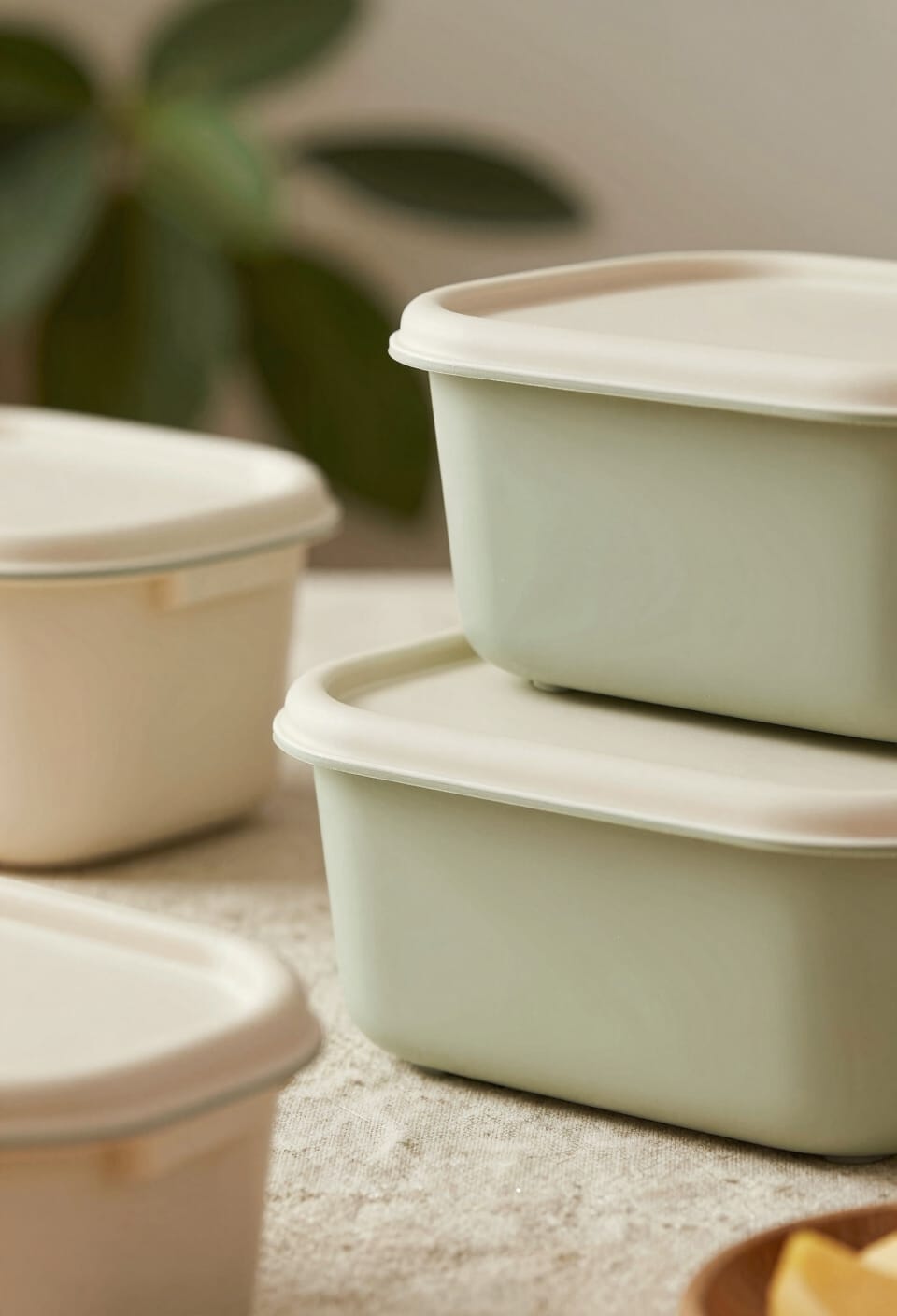
Keeping your produce fresh without plastic can feel pretty daunting, can’t it? But don’t worry, because there are some straightforward ways to tackle this. Start by using cloth produce bags or mesh storage bags. These let air circulate and help manage moisture, which actually makes your veggies last longer.
When it comes to leafy greens, there’s a neat trick to keep them crisp. Store them in a bowl or an airtight container while placing a paper towel inside to soak up any excess moisture. Then wrap it all tightly with some wax wrap, and you’ll see a difference!
Cucumbers, on the other hand, thrive in a perforated container at room temperature. This helps maintain their crunch and flavor.
As for root vegetables, they’re best kept in cardboard boxes or paper bags stashed away in a cool, dark spot. Remember, sunlight and warmth aren’t their friends.
Frankly, with these simple tips, you’ll not only help your veggies stay fresher for longer but also make a more sustainable choice for the planet. So, what’s stopping you from trying these out? You might be surprised at how easy it is! Additionally, using washable vegetable bags made from breathable organic cotton or mesh can further extend produce freshness while reducing plastic waste.
Why Moisture Control Matters for Freshness

Have you ever opened your fridge only to be greeted with wilted greens or mushy berries? It’s frustrating, right? Moisture control is so important in keeping our fresh produce in good shape. Too much moisture can lead to mold and spoilage, which is definitely not what we want.
When you’re storing leafy greens, try adding a damp paper towel to your container. This little trick helps absorb any extra moisture and keeps your greens crisp for longer. For veggies with high water content, like cucumbers and asparagus, opt for containers that allow some air to circulate while still holding enough humidity. It’s a balance!
And what about berries? A key point to remember is to store them in a single layer. It’s tempting to wash them right away, but holding off until you’re ready to eat can prevent them from getting mushy.
Lastly, if you’ve got cut veggies, the best part is that airtight containers really do keep them fresh longer without drying out. You’ll thank yourself later when you grab that carrot stick and it’s still crunching!
Truth is, proper moisture control makes all the difference in food storage. Using breathable materials like cotton or mesh bags allows airflow while also controlling humidity to extend freshness. So, next time you’re putting away your produce, consider these tips to keep things fresh. What’s your go-to method for keeping veggies crisp?
Techniques for Storing Leafy Greens and Berries in the Fridge

Ever opened your fridge to find your leafy greens looking wilted and your berries turning mushy? It’s a common problem, but with a few simple tricks, you can keep them fresher for much longer.
To store leafy greens, here’s the trick: wrap them in a damp paper towel before putting them in the fridge. This little hack keeps the moisture in without making them soggy. After that, toss them into a breathable cloth bag or an open container. This setup allows air circulation, making sure your greens stay crisp and delicious.
When it comes to berries, the approach is slightly different. Lay them out in a single layer in a container that has good ventilation. Why is this so important? Because stacking them can trap moisture and result in mold faster than you’d think. Remember, wait to wash your berries until you’re ready to eat them—doing so too early can just invite mold.
Truth is, a little bit of care in storing these items can really extend their life. Using muslin produce bags instead of plastic bags can further help keep your fruits and vegetables fresh by allowing better air circulation. So next time you pick up fresh greens or berries, try these methods and see how they work for you. It’s all about enjoying your produce while minimizing waste! Have you found any cool storage tips for your fruits and veggies?
Best Practices for Storing Ethylene-Emitting Fruits on the Counter
Storing ethylene-emitting fruits like bananas and tomatoes can get tricky if you’re not careful. Have you ever noticed how quickly those bananas go from perfectly ripe to brown mush? It can be frustrating! So, here’s how to keep your fruits fresh for longer.
First off, keep those high ethylene emitters separate from the fruits that can spoil easily. You don’t want to ruin your strawberries because of a rogue avocado. Keep your bananas and tomatoes on the counter, but remember to pop the avocados and pears in the fridge after they ripen. It really helps to prolong their shelf life.
Air circulation is super important. Try to find a well-ventilated spot in your kitchen for these fruits. Instead of stacking them up (which causes bruising), lay them out in a single layer. This little change can make a big difference in how long they last.
Here’s the trick: wrapping your bananas in a breathable cloth or putting them in a mesh bag can slow down their ripening without putting them out of reach. You won’t have to worry about them turning black overnight.
So, why does this matter? Fresh fruits not only taste better, but they also reduce waste, which is a win in any household. Keeping an eye on your ethylene emitters can make your kitchen feel a bit more organized and less chaotic. Remember the basics, and you’ll be set! For an eco-conscious kitchen, consider using compostable kitchen towels made from sustainable materials to clean up any spills during fruit storage.
Using Glass and Cloth for Plastic-Free Produce Storage
Have you ever noticed how quickly your fresh produce can spoil? It feels like a race against time to keep those fruits and veggies fresh, but it doesn’t have to be this way. By switching to glass and cloth for storage, you can really extend their lifespan.
Glass containers are a solid choice for storing your produce. They create an airtight seal, which not only keeps moisture in but also blocks plastic contamination. If you’ve ever wondered how to store those delicate veggies without them going limp, cloth produce bags made from organic cotton work wonders by allowing them to breathe. You’re reducing moisture buildup while keeping everything fresh.
And for herbs? Here’s the trick: wrap them gently in a damp paper towel and pop them into a glass container. That little bit of moisture can keep them flavorful way longer. Honestly, think about how much fresher your dishes will taste when your herbs are at their best.
To maximize freshness, consider how you’re organizing your fridge or pantry. Setting up tiered shelves or using natural baskets can really help with airflow. This simple change can boost the vitality of your stored produce. For those more structured items, like asparagus or celery, keep a glass jar handy. Regularly changing the water keeps them hydrated without any plastic fuss.
In addition, using compost bins made from eco-friendly bamboo fiber materials in your kitchen supports sustainable waste management along with fresh produce storage.
Special Tips for Keeping Root Vegetables Fresh Without Plastic
Keeping root vegetables fresh without plastic can seem a bit challenging, but it’s totally doable with just a few simple tips. Ever wondered how to keep those carrots and beets crisp for longer? Start by storing them in a cool, dark, and well-ventilated spot. I love using burlap sacks or paper bags—they let air circulate and help cut down on moisture.
For potatoes and sweet potatoes, don’t leave them out in the sun. Instead, try using a cardboard box or a paper bag. This way, they can stay fresh for a long time without tasting weird from the cold. It’s best to skip refrigeration since chilly temperatures can mess with their flavors.
Another thing you should do is remove any greens from your root veggies; those little guys suck moisture right out of the produce. If you’ve got juicy kinds like radishes, wrapping them in a damp cloth can keep them fresh and ready to eat.
The best part is, you’re avoiding plastic waste while keeping your veggies at their best. So, next time you hit the market for root veggies, remember these tips to avoid the fridge. How do you keep your produce fresh? Using compostable materials for storage can further reduce your environmental impact.
How to Maintain Flavor and Freshness in Your Produce Without Plastic?
Storing fresh produce can be a real challenge, especially when you’re trying to ditch plastic. But don’t worry, there are simple ways to keep your fruits and veggies tasting great without any plastic wrap.
First off, try to find a cool spot in your fridge for your produce. Instead of plastic bags, consider cloth produce bags or those reusable mesh ones. They allow for better airflow, which keeps things fresher longer. Leafy greens can be picky, so placing them in a bowl or an airtight container lined with paper towels is super helpful. Those paper towels soak up moisture and keep your greens crisp.
Have you ever noticed how some fruits can affect others? If you have high-ethylene emitters like bananas and avocados, keep them far away from the other fruits and veggies sensitive to ethylene. This little tip can save your delicate produce from ripening too quickly.
For fresh herbs, here’s a nifty trick: stand them upright in a jar of water and cover them loosely. This keeps them hydrated and fresh for days.
And if you’ve cut up some fruits or veggies, don’t worry! Just wrap them in a damp paper towel and place them in an airtight container. This keeps them from drying out and helps maintain their flavor.
For longer-term storage, consider using silicone produce bags, which are durable, leak-proof, and eco-friendly alternatives to plastic.
Frequently Asked Questions
How to Store Vegetables in the Fridge Without Plastic?
To store vegetables in the fridge without plastic, we can use breathable cloth bags and glass jars. This way, we maintain fridge temperature control and guarantee effective produce moisture management using the best storage containers available.
What Are the Alternatives to Plastic Containers for Food Storage?
Did you know about 300 million tons of plastic are produced annually? Instead, we can use glass jars for storage, beeswax wraps for covering, and cloth bags for freshness, creating a sustainable kitchen together.
How to Store Carrots in the Fridge Without Plastic?
To store carrots in the fridge without plastic, we can use eco-friendly alternatives like glass jars of water or damp cloths. These carrot freshness tips help us maintain fridge humidity control and keep our carrots crisp longer.
How to Store Fruits and Vegetables Without a Refrigerator?
We can effectively store fruits and veggies without a fridge! By using countertop storage techniques and herb preservation methods, along with natural cooling options, we can keep our produce fresh and flavorful. Let’s embrace it!


