As an Amazon Associate, we earn from qualifying purchases. Some links on this site are affiliate links at no extra cost to you. Our recommendations are based on thorough research and editorial judgment.


Regrowing Vegetables From Kitchen Scraps: What Works and What Doesn’t

Regrowing veggies from kitchen scraps is a fun way to make the most of your leftovers, but not every veggie is up for the task.
Take green onions, for example. They bounce back like champs when you keep the roots intact and give ’em a little water.
Garlic and sweet potatoes are also eager to grow again, making them excellent choices for this kind of kitchen gardening.
But what about carrots and beets? Honestly, they don’t really deliver much when it comes to regrowing from scraps. You might be excited to try it, but managing your expectations is key.
Still, there’s something rewarding about watching plants sprout, even if it’s not a full harvest.
So, how do you make this work? Here are some tips:
- Green Onions: Just place the white root ends in a glass of water and watch them grow.
- Garlic: Simply plant a clove in soil and give it some water.
- Sweet Potatoes: Stick a few toothpicks in a sweet potato and suspend it over water. The roots will grow down, and soon you’ll have some lush slips.
Truth is, while some of these regrown veggies can be quite satisfying, patience is essential. You might not see results overnight, and that’s okay. Just enjoy the process!
In conclusion, regrowing vegetables from kitchen scraps can be an enjoyable hobby, even if not all of them thrive.
Have you tried any of these methods? What veggies are you excited to regrow next?
Key Takeaways
- Successful Regrowth: Green onions, sweet potatoes, garlic, ginger, and basil are great candidates for regrowing from kitchen scraps.
- Unproductive Options: Carrots and beets yield only greens and will not produce new edible roots when regrown.
- Preparation Techniques: Properly handle potatoes, sweet potatoes, and ginger by cutting, scabbing, and ensuring moisture and light conditions for growth.
- Manage Expectations: Some plants take time to flourish; maintain realistic expectations to enjoy the gardening journey without frustration.
- Avoid Common Mistakes: Ensure roots are included when regrowing, use sustainable materials, and avoid water rot by changing water regularly.
Which Vegetables Are Best for Regrowing From Scraps?
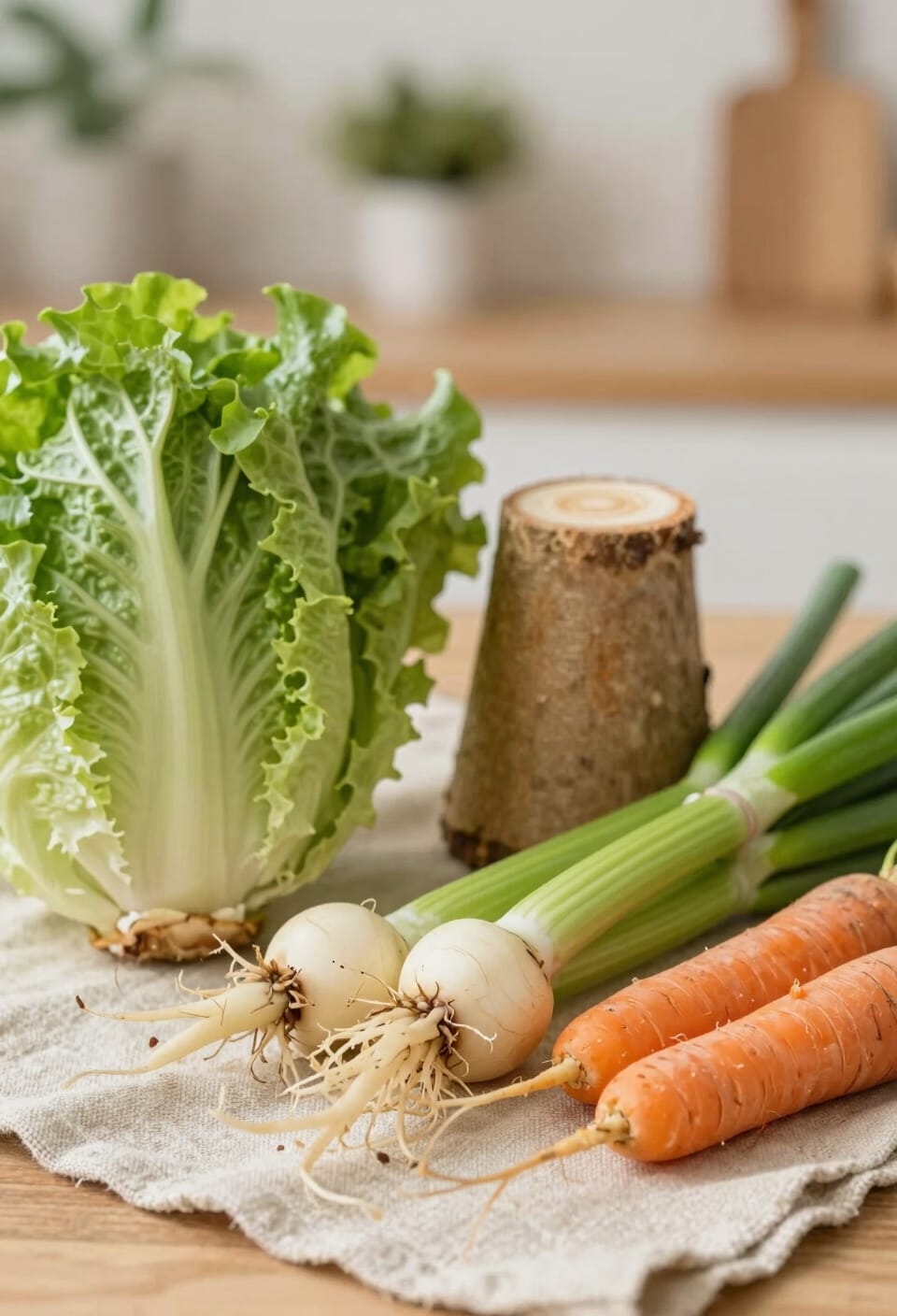
Have you ever thought about how many veggies you toss out just because they’ve reached their use-by date? Well, you can give those scraps a second chance at life right in your own kitchen!
Green onions are probably one of the easiest ones to regrow. All you have to do is stick the white root base in water. After just a few days, you’ll start seeing fresh greens popping up, ready for your next meal. It’s practically magic!
Sweet potatoes, while not as straightforward, can still be fun to grow if you’re willing to put in a little effort. Try this: suspend a whole potato in water and watch for slips to start growing. Once they reach about 4 inches, you can plant them in soil and let them thrive. The anticipation is half the fun!
Garlic and ginger are also super easy to regrow. Simply plant pieces of the bulb or rhizome directly into the soil, and you’re on your way to a continuous supply of fresh flavor for your dishes. So, why does this matter? Not only do you cut down on waste, but you also get to enjoy the process of nurturing your food from scraps to delicious meals.
The best part is, each of these veggies doesn’t just revive your kitchen; they also create a little joy as you watch them grow. It’s a rewarding experience, and it can save you some cash too. Exploring sustainable practices like compostable materials can further enhance your eco-conscious lifestyle.
Recommended Products

USDA CERTIFIED ORGANIC AND NON-GMO: This organic microgreens kit 6-grow variety pack is not treated with pesticides and is safe for consumption
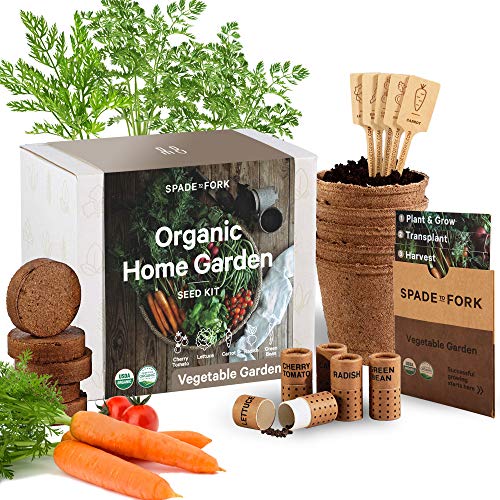
Spade To Fork Kits - Our company is family owned and operated right here on our 65 acre farm in rural Oregon. Each Spade To Fork plant sprouting box contains 5 types of Certified USDA Organic Non GMO indoor vegetable seeds, including Early Cherry Tomato + Butterhead Lettuce + Carrot + Cherry Belle Radish + Bush Bean; 5 OMRI certified compostable peat pots; 5 OMRI certified rich potting soil discs; 5 custom wood burned plant markers; our beautiful and helpful 26pg growing guide.

Planting Requirements: Kujo Negi Japanese Onion seeds have different planting requirements than other varieties in our range. For best results, please plant 68 seeds per jar
How to Regrow Potatoes and Sweet Potatoes: A Step-by-Step Guide

Have you ever wanted to grow your own food but thought it was too complicated? Regrowing potatoes and sweet potatoes right in your kitchen can be simpler than you think—and honestly, it’s pretty fun too!
To kick things off, if you have some sprouted potatoes lying around, grab a knife and cut them into sections. Each piece should have at least one eye. After cutting, let them sit for a day or two so they can scab over. This helps prevent rot when you plant them. Once you’re sure the frost is gone, dig a hole about 5 inches deep in some nice, well-draining soil and place the pieces in with the eyes facing up.
Now, sweet potatoes are a bit different. Here’s the trick: take a sweet potato and use toothpicks to suspend it in water, making sure the bottom half is submerged. Place it in a warm, sunny spot. This encourages it to grow roots and slips. After the last frost, simply plant those slips into the soil. Keep an eye on moisture and light levels, and you’ll be well on your way to a healthy harvest. For storing any leftover produce or scraps during your regrowing process, using airtight silicone lids can help maintain freshness and prevent spoilage.
Recommended Products
Kimchi Fermentation & Storage Refrigerator - Designed for kimchi fermentation and storage with adjustable temperature control.

Deep Freezer Storage: Large 19.8 cu. ft. capacity holds a substantial amount of frozen foods including cold meat, frozen dinners and ice cream. Keeps perishables frozen for your home or garage

HexClad’s patented Hybrid technology features a laser-etched hexagonal nonstick surface that combines both stainless-steel and our TerraBond ceramic coating for the ultimate sear and easy cleaning.
Tips for Regrowing Herbs: Basil, Garlic, and Green Onions
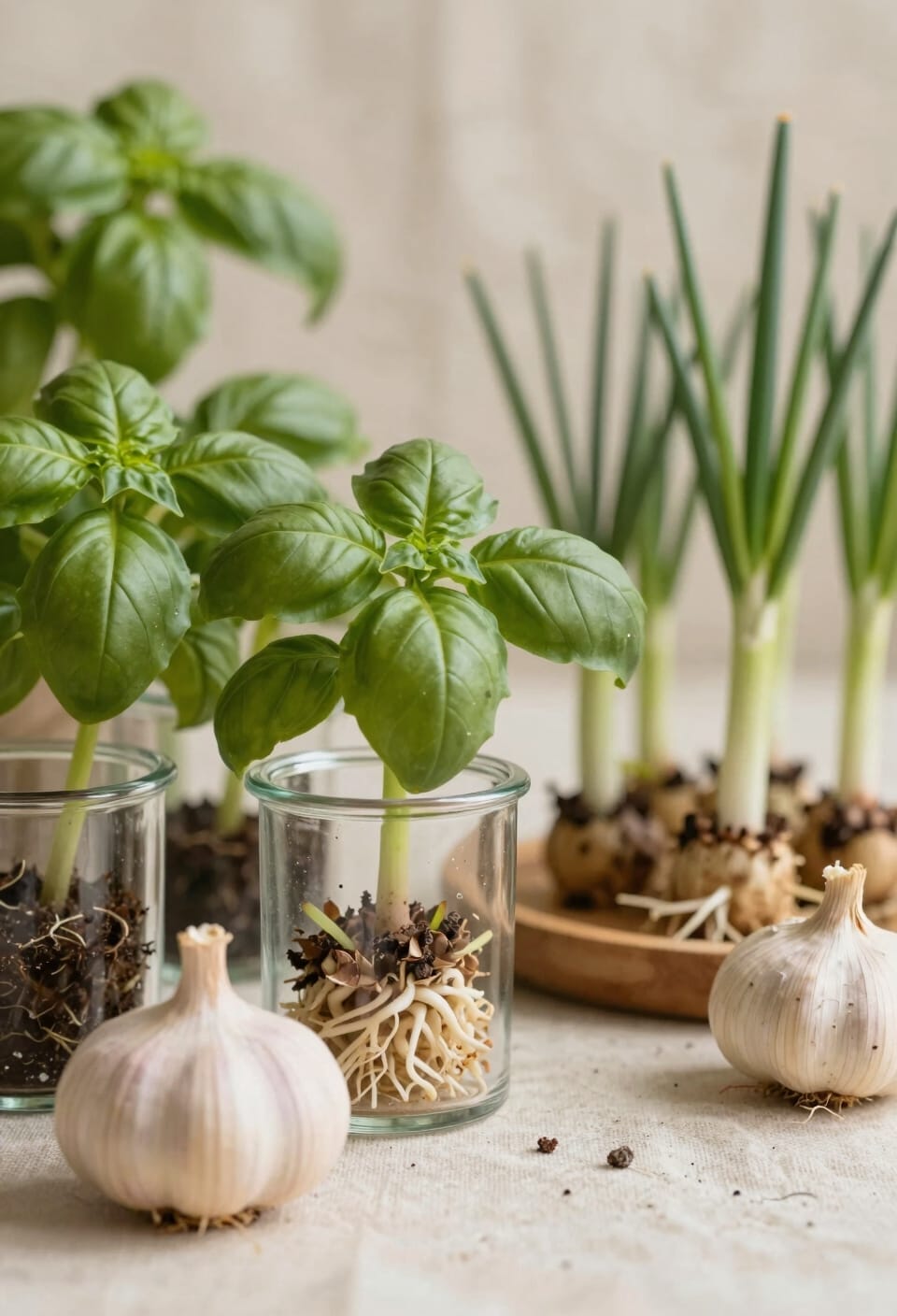
Have you ever thought about how many kitchen scraps can actually turn into fresh herbs? It’s pretty cool, and there are a few easy options, especially for basil, garlic, and green onions.
For basil, you can cut 4-inch stems at an angle and remove the lower leaves. Just place them in a glass of water for about 24 hours. Once you start to see little roots forming, it’s just a week until you’ve got new growth popping up. It’s a simple way to keep that fresh flavor coming in your meals.
Green onions are another easy win. Simply stick the white root ends in a glass of water, and in a matter of days, those green tops will start to sprout again. It’s almost instant gratification!
And don’t overlook garlic. Just grab some whole, healthy cloves—make sure they’re the kind you’d cook with. Plant them in soil with the cut side facing up, and with a bit of moisture and sunlight, they’ll shoot up leafy greens before you know it.
So, why does this matter? Not only are you growing fresh herbs that can enhance your cooking, but you’re also cutting down on waste. Honestly, it feels great to watch something you might’ve tossed turn into something useful instead.
Using eco-friendly materials in your gardening tools can further support sustainable growing practices in your home garden.
In short, keep those scraps and give regrowing herbs a try. What’s your favorite herb to cook with?
Recommended Products
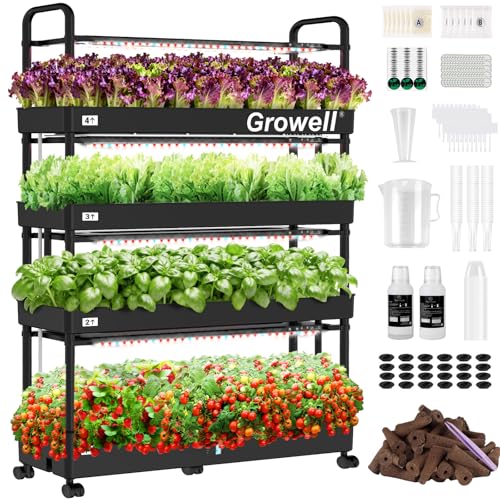
Large Hydroponics Growing System: Featuring 120 pods, the Growell vertical indoor garden allows you grow up to 120 plants at once, letting you cultivate vegetables, fruits, herbs, and flowers with ease. With a space-efficient size of 36.6''L*10.2''W*67.3''H, it maximizes yield while minimizing space. Compared to traditional soil gardening, it significantly reduces time, space, and water usage, speeding up growth cycles for efficient yields.

COMPACT HYDROPONIC SYSTEM: The Gardyn Studio 1 hydroponics growing system kit grows 16 full-sized indoor plants in only 1.4 sq. ft., making it perfect for apartments, small homes, and beginner gardeners. With a footprint no larger than a potted plant, this vertical garden includes everything you need—hydroponic tower, LED grow light, seed starter kit, sensors, and camera—for a complete indoor herb garden experience.

Plant More, Harvest More: Experience smarter indoor gardening with the DRYADES Hydroponic System! Featuring 22 pods per tier and an 180° adjustable LED panel, this compact setup delivers optimal light coverage for thriving herbs, leafy greens, strawberries, and flowers - all without soil.
How to Regrow Ginger From Kitchen Scraps
Do you ever find yourself tossing away kitchen scraps without a second thought? If you’re like me, you might not realize that ginger is one of those things you can regrow, turning what would have been waste into something delicious right from your own garden.
To get started, take a fresh rhizome and cut it into thumb-sized pieces. It’s essential to ensure each piece has at least one eye, which is key for sprouting. Once you’ve done that, grab a shallow container and fill it with well-draining soil, placing the pieces in with the eyes facing upwards. Keep the soil moist—just enough to encourage growth—and if you have a heat mat, it can really boost those sprouts.
After the last frost, don’t forget to transplant your ginger outside. Ginger loves the summer sun, and with some care, you’ll soon have a fresh supply of rhizomes waiting for you. Using eco-friendly gardening tools can enhance your gardening experience while helping the environment.
Regrowing Leafy Greens: Romaine and Celery Explained
Have you ever thrown away vegetable scraps and felt a twinge of guilt? It turns out you can actually regrow romaine and celery from those leftovers, giving them a second chance on your kitchen counter. For romaine, simply stick the base in a small bowl of water. Within days, you’ll see roots start to sprout, and soon enough, you can transfer it to soil for some fresh, leafy greens. The inner core keeps producing for weeks, so you’ll have a steady supply right at home.
Celery is just as easy! Just place its stump in water, and with a little patience, you’ll have new stalks growing. Here’s the trick: keep changing the water regularly and make sure they get plenty of sunlight. They may taste a bit different from the store-bought version, but there’s something special about eating greens you’ve grown yourself, even from scraps.
Why does this matter? It’s a great way to reduce waste and enjoy homegrown produce without a lot of effort. Plus, it’s just plain satisfying to watch your food come back to life. Additionally, incorporating natural elements like bamboo charcoal into your kitchen can help maintain fresh indoor air, complementing your sustainable gardening efforts.
Recommended Products

REDEEM 36 SEEDLING CREDITS: Includes a unique QR code to redeem 36 seedling credits for pesticide free, non GMO vegetables, herbs, leafy greens, fruits, and lettuce so you can start growing faster with pre grown seedlings.

The Deluxe kit for growing with the Tower Garden FLEX system.

NEXT-GENERATION HYDROPONIC SYSTEM: The Gardyn Home 4 is a cutting-edge hydroponics growing system kit designed to grow 30 large indoor plants in just 2 sq. ft. using 95% less water. With redesigned columns for easy cleaning, energy-efficient LED grow lights, sunrise & sunset lighting modes, and real-time water measurement, this smart garden delivers everything you need for a thriving vertical garden at home.
Why Carrots and Beets Aren’t Worth the Effort to Regrow
Have you ever thought about regrowing carrots and beets from kitchen scraps? It’s tempting, right? But the honest truth is, it’s just not worth the trouble. When you try to regrow these veggies, all you really end up with are leafy tops. Sure, those greens are nutritious and can be used in salads or smoothies, but they don’t replace the juicy, edible roots you’re after.
Carrots and beets simply don’t grow new roots from their tops—so why waste time on that? You might be left with a bunch of greenery that feels like a letdown. Instead of playing the waiting game with scraps, think about planting seeds directly. You’ll see much better results when it comes to getting those roots and overall productivity from your garden.
So, what vegetables should you consider for regrowing? Focus on green onions, lettuce, or celery—those tend to sprout again nicely. When you put your energy toward plants that really thrive in regrowing, you can ensure your garden is more efficient and fruitful. After all, don’t we all want to maximize our time and resources? Creating beneficial insect habitats nearby can also support healthy plant growth and pollination in your garden.
Realistic Expectations: What to Expect From Your Regrowing Attempts
When it comes to regrowing vegetables from scraps, it’s super easy to get caught up in the excitement. But, let’s be real—keeping your expectations grounded is important. For instance, plants like potatoes and basil are a breeze to regrow; they sprout new roots before you know it. On the flip side, root vegetables like carrots and beets often leave you wanting more, since they don’t tend to do well.
If you’re aiming for a full head of lettuce or a healthy batch of herbs, be prepared to put in some time and care. You can either grow them in soil or stick them directly in water. If you decide to go with the water method, here’s a tip: change the water every few days to keep things fresh.
Honestly, it’s crucial to have realistic expectations about what you can achieve. Some plants, such as fruit trees, require years of patience before yielding any fruit. So, why does this matter? Managing your expectations will help you avoid frustration and enjoy the experience of gardening more. Additionally, using sustainable materials like biodegradable cups during your gardening sessions can help reduce environmental impact and complement your eco-friendly efforts.
Key Mistakes to Avoid in Vegetable Regrowth
Are you tired of tossing kitchen scraps in the trash? You might be eager to dive into the world of regrowing vegetables, but there are some common pitfalls that can trip you up.
First off, let’s talk about store-bought produce. Did you know many hybrid varieties just won’t sprout into viable plants? That’s a big reason why some of your regrowing efforts may go belly up. To give yourself the best chance, always make sure to keep roots attached. For instance, when you’re regrowing onions, that little root bulb is crucial.
Now, if you’re working with potatoes, here’s the trick: let the cut sections scab over before planting. This little step can save you from rot later on. Honestly, it’s so easy to forget, but it makes a big difference. And we can’t overlook the growing conditions; ginger and sweet potatoes need warmth and indirect light to flourish.
Don’t forget about water, either. Change it regularly and make sure the roots aren’t sitting in it for too long. Root rot can really mess things up. The truth is, some plants take time—sometimes even years—to really thrive. For sustainable kitchen gardening, consider using compostable materials to reduce environmental impact and support healthy plant growth.
Recommended Products

GROW INDOORS ALL YEAR: Grow a variety of leafy greens, herbs, vegetables, fruiting plants, and flowers. Low-pressure aeroponics allows for faster plant growth and better nutrient absorption for healthier plants. High quality plastics made from PC-ABS and HDPE, food safe and won’t break or break down over time, preventing microplastics from contaminating your food. Assisted automation allows you to learn how to maintain and manage the system. Germination should be done outside of the system.

2 Growing Modes: 22-Watt LED light of iDOO hydroponics growing system turns on/off automatically, simulate the sunlight spectrum, promoting plants' photosynthesis in any weather. Vegetables Mode emits blue light, red light, far red light and white light; Flower/Fruit Mode emits red light, far red light and white light.

16 Pods Hydroponics Growing System: This vertical hydroponics growing system has 16 planting pods, allows you to grow up to 16 plants at once, letting you cultivate vegetables, fruits, herbs, and flowers with ease. Compared to traditional soil gardening, it significantly reduces time, space, and water usage, speeding up growth cycles for efficient yields.
Frequently Asked Questions
What Vegetables Can You Regrow From Scraps?
As we cultivate our kitchen scraps, we can regrow green onions, carrot tops, lettuce leaves, potato eyes, celery bases, basil stems, ginger rhizomes, beet tops, parsley stems, and romaine cores for endless possibilities!
What Vegetable Scraps Are Not Good for Stock?
Onion peels, celery leaves, carrot tops, and cabbage cores aren’t great for stock. Vegetable ends, beet greens, herb stems, broccoli stalks, and pepper seeds can also lead to a less flavorful broth.
Which Vegetables Do Not Transplant Well?
While potato eyes can thrive, carrot tops and cabbage cores often fail. Garlic cloves may regenerate, but squash seeds and lettuce stumps don’t transplant well. We should focus on those that actually succeed!
What Vegetables Can Grow From Cuttings?
We can grow vegetables like basil stem cuttings, onion bulb propagation, celery base cutting, carrot top regrowth, and scallion green onions. Let’s not forget sweet potatoes and ginger rhizome growth for additional options!


