As an Amazon Associate, we earn from qualifying purchases. Some links on this site are affiliate links at no extra cost to you. Our recommendations are based on thorough research and editorial judgment.


Reusable Silicone Bags: How to Use Them Safely With Different Foods

What do you do with all those leftovers, snacks, or fruits you want to keep fresh? Reusable silicone bags, like Stasher bags, are a fantastic solution! They can help you store different foods safely, but there are a few tips to keep in mind.
Start by using these bags for dry snacks, fruits, and leftovers. They’re perfect for those items! Just steer clear of anything oily or with a strong smell. Have you ever opened a bag of chips to find your lunch smelling like garlic? Not fun!
Remember to squeeze out excess air when you seal the bag. This little step makes a difference in keeping your food fresh longer.
Cleaning these bags is a breeze. You can either hand wash them or toss them in the dishwasher—easy peasy! Not to mention, choosing silicone bags over plastic ones makes a positive impact on the environment.
So, why does this matter? Supporting a healthier planet benefits all of us!
There’s so much more to these versatile bags than meets the eye. You’ll find they can really simplify your food storage routines. What’s your favorite way to use silicone bags?
Key Takeaways
- Use reusable silicone bags for dry snacks, fruits, and veggies to retain freshness without chemicals while avoiding oily or strong-smelling foods.
- Seal bags tightly by using double-lock or slide-lock techniques and squeeze out excess air to maintain food freshness.
- Clean silicone bags with warm, soapy water or in the dishwasher, and use baking soda or vinegar for eliminating stubborn odors.
- Regularly inspect bags for cracks, tears, or wear to ensure food safety and replace damaged bags promptly.
- Conduct a water leakage test before storage to confirm airtight seals and prevent food spills.
Understanding Reusable Silicone Bags: What They Are and Why They Matter
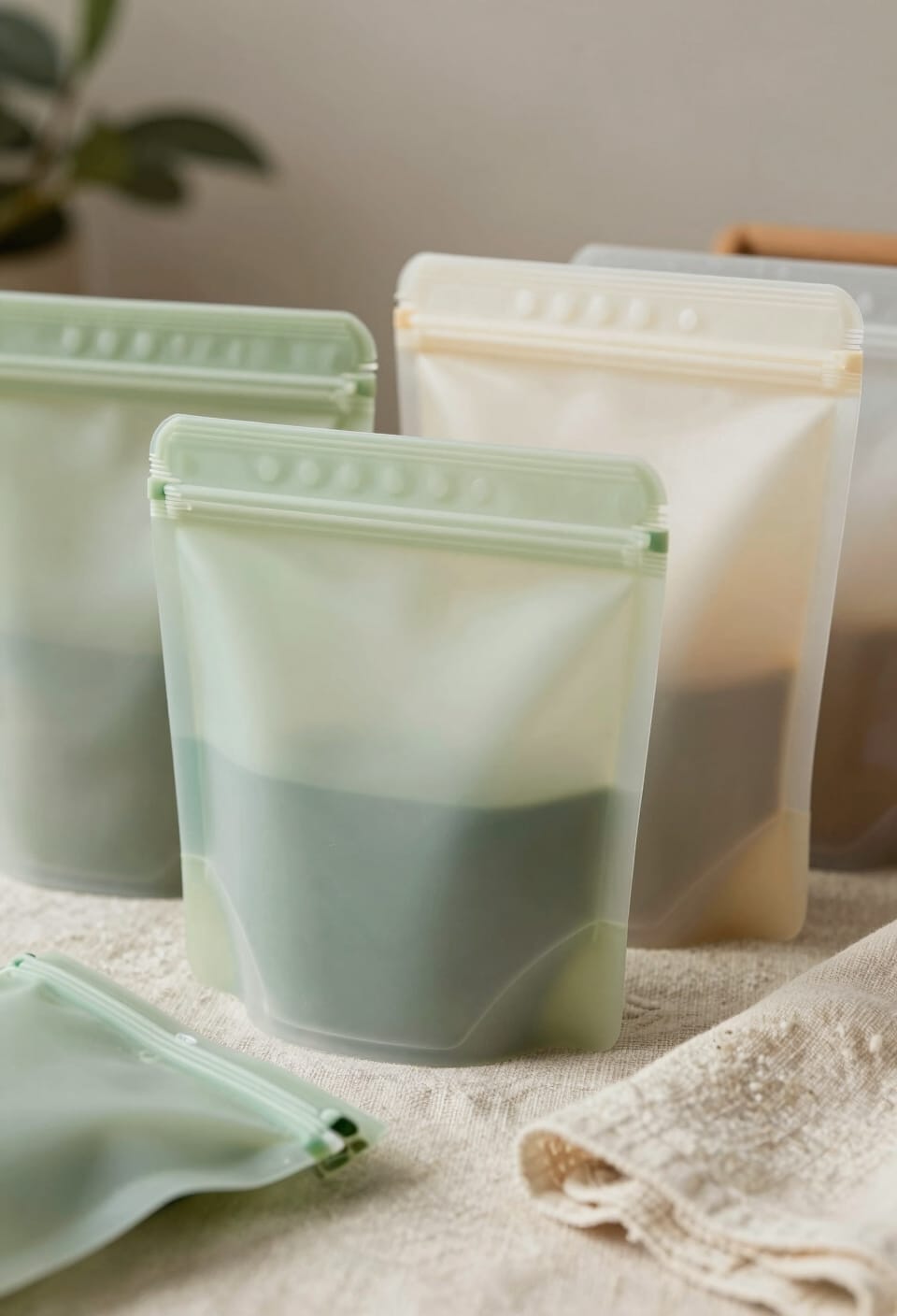
When you think about cutting down on waste, have you ever considered switching to reusable silicone bags? They’re made from food-grade silicone, which means they’re not just stretchy and durable but also a fantastic way to ditch those pesky single-use plastics. Honestly, these bags are eco-friendly, non-toxic, and BPA-free, so you don’t have to worry about nasty chemicals mingling with your food.
What’s great about these bags is that they’re airtight and leakproof. You can stash everything from sandwiches to soups without the fear of messes in your fridge. Imagine being able to toss them in the dishwasher after use or wash them by hand with ease—pretty hassle-free, right? Plus, they can handle extreme temperatures, from -40°F to 400°F, so you can use them for freezer storage or even pop them in the oven.
So, why does this matter to you? Every little step counts when it comes to reducing plastic waste. Switching to reusable silicone bags might feel like a tiny change, but it can make a big difference in our everyday habits and the environment.
As you think about making this switch, consider how many plastic bags you use in a week. The best part? These silicone bags can last you a long time if you take good care of them. You might be surprised by how much you can reduce your plastic use just by making this small swap.
In short, embracing reusable silicone bags not only helps keep your food fresh and your kitchen tidy but also contributes to a healthier planet. Many bags, like those from Stasher and Bangp, feature platinum food-grade silicone for enhanced safety and durability. Are you ready to give them a try?
How to Seal Silicone Bags for Optimal Safety
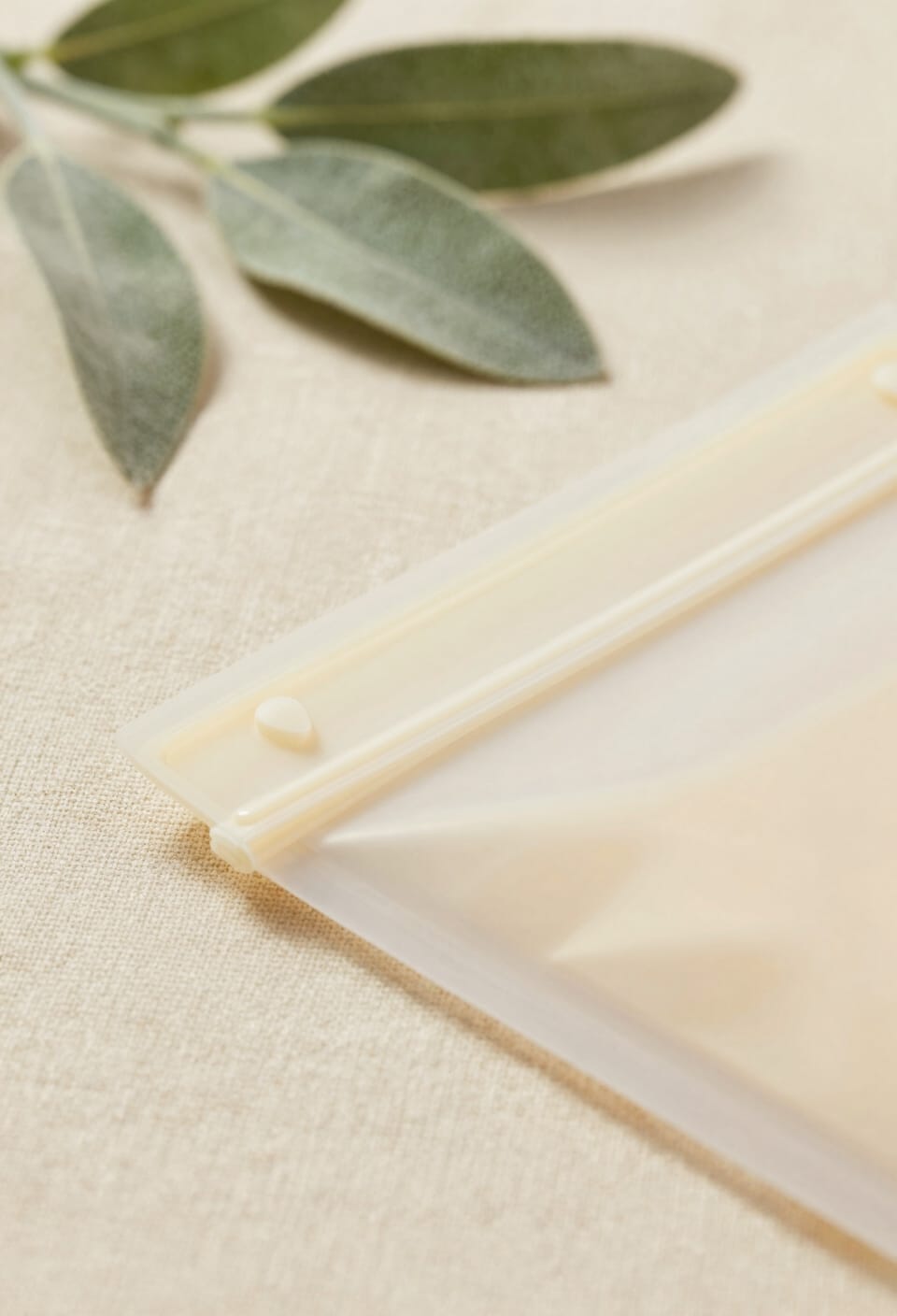
Sealing silicone bags correctly can really make a difference in keeping your food fresh and safe. Plus, it’s a great way to cut down on waste! Here’s the trick: always make sure to close the double-lock zipper or slide-lock tightly. If there’s any space left open, you’re just asking for leaks and spoilage.
Before sealing, try to squeeze out as much excess air as you can. This small step can help keep your food looking and tasting its best. Ever noticed how some bags just don’t seal right? That’s probably because the zipper track has debris on it. It’s worth taking a moment to clean it if necessary. Nothing worse than thinking you’ve sealed it tight only to find a mess later!
When it comes to filling the bags, don’t overstuff them. Leaving a little room is crucial for getting that perfect seal. And hey, let’s not forget to check our reusable silicone bags regularly for any signs of wear and tear. I can’t stress this enough: a small tear can compromise food safety, and we definitely don’t want that!
To extend their usability and maintain hygiene, regular maintenance and care of reusable silicone bags is essential, just like with other reusable products.
Recommended Products

Set Includes: Vacuum pump body x 1, USB cable x 1, Vacuum glass container S / M x 1, Vacuum storage bag S / M x 2, Clip x 1, Liquid protector x 1

MAXIMIZE VALUE - 50 x (Non-Silicone) Strong Poly-Nylon Bags Made in USA, Subject to California's Relevant Regulations & Quality Control Standards, Ensuring Consumers Smelly Proof Bags Adhere to Highest Benchmarks,

Unmatched Quality & Durability - 50 x Washable Smelly Proof Bags Extra Large Reusable Flat Bags, 5mil Heavy Duty Thickness, Puncture-Resistant, Tear Proof. Designed for Repeated Use Over & Over Again,
Ideal Foods for Storage: the Do’s and Don’ts With Silicone Bags

Are you tired of wasting food because it spoils too quickly? Choosing the right foods to store in silicone bags can make all the difference in keeping your meals fresh and delicious. These bags are great for dry snacks, fruits, and veggies, thanks to their airtight seal that keeps things fresh without using harmful chemicals.
If you’re thinking about storing leftovers, silicone bags really shine. They’re fantastic for portioning out soups and stews, which is a win for anyone looking to make their kitchen more eco-friendly. Just imagine having your lunch ready to go without all the extra waste from disposable containers!
But not everything belongs in silicone bags. It’s best to avoid very oily foods or strong-smelling items like garlic or fish. Why? They might leave unpleasant odors behind that are hard to get rid of. Also, while these bags are perfect for marinating meat, long-term storage of raw meat isn’t ideal. You really want to steer clear of cross-contamination here.
Using bags made from food-grade platinum silicone ensures safety and durability during various storage uses.
Ultimately, if sustainable food storage is on your radar, silicone bags can really be a solid choice. Have you tried using them yet?
Recommended Products

OT-MEGA SET/8P (SHORT SQUARE 0.53qt, SHORT RECTANGULAR 1.06qt, SHORT SQUARE 1.48qt, MEDIUM SQUARE 1.06qt, MEDIUM RECTANGULAR 2.11qt, MEDIUM RECTANGULAR 3.28, TAll 2.06qt, Vacuum Sealer)

STASHER COMPLETE STARTER KIT COLLECTION: This variety pack is excellent for gifting or for starting your own plastic-free journey. The Stasher Reusable 10-Pack Starter Kit includes: 1 Sandwich Bag, 1 Snack Bag, 1 Stand-Up Mid Bag, 1 Pocket Bag, a 1 Cup Bowl, a 2 Cup Bowl, and 4 Stretch Lids (9”, 6.5”, 4.5” and 2.5” lids).

Airtight Food Storage Container: The lid of the airtight dog food storage container has 6 buckles and silicone sealing ring, which can keep the food fresh and dry for a long time.
Best Practices for Freezing and Thawing Foods in Silicone Bags
Have you ever found your freezer overflowing with half-unidentified items? It can get overwhelming, but using reusable silicone bags can make freezing and thawing a breeze if you stick to a few simple tips.
When you’re ready to freeze, flatten those bags to get rid of excess air. This isn’t just a neat-freak move; it actually saves space and helps your food thaw faster. Don’t forget to leave a bit of room in the bag for expansion to avoid leaks as everything freezes solid.
For thawing, there’s no need to stress. Just pop the silicone bag in the fridge overnight or, if you’re pressed for time, use the microwave’s defrost setting. It’s that easy! However, it’s smart to avoid freezing really oily foods or anything with strong scents in these bags—they can lead to messy leaks.
Regularly check your silicone bags for any damage, too. This simple step can make a big difference in keeping your food safe and fresh. Silicone bags are also a great complement to heat resistant utensils, as both help maintain food quality during hot or cold serving.
Recommended Products

Set includes: 1 small, 1 medium and 1 large glass container, 1 glass fridge box, 10 assorted vacuum bags, 1 vacuum wine sealer, 1 vacuum pump Containers are temperature resistant: 0°F to 356°F Freezer-safe, microwave safe (without vacuum seal), ovenproof (without lid) All container sizes are stackable for easy storage Container lids will create a perfect seal Vacuum bags: BPA-free plastic. Glass containers: borosilicate glass (base), plastic (lid), silicone (valve, seal) Marinate and prep/cook sous vide under vacuum with Fresh & Save Store, bake, and serve all with the same container. Vacuum pump can be charged with the included USB cord All containers are dishwasher safe

50 x REUSABLE 2-GALLON STORAGE BAGS – XXL Washable Reusable Food Storage Bags, Reusable Storage Bags, 3 mil Thick / 256 fl oz (7.6 L), Clear FLAT 12” x 16” 2-Gallon Freezer Bags, TRIPLE ZIP Closure, Airtight Seal, Leakproof Closure, Food Grade, BPA FREE, NO PEVA, PHTHALATE FREE, Non-Toxic, No Latex,

COMPLETE SET OF 8 FOR EVERYDAY FOOD STORAGE: Includes all three cup sizes, all three dish sizes, and two bag sizes to handle meal prep, leftovers, lunches, snacks, travel, and kitchen organization
How to Clean and Maintain Your Silicone Bags
Do you ever find yourself wondering how to keep those reusable silicone bags looking and smelling fresh? It can be a bit tricky, but I’ve got some straightforward tips to help you.
To clean silicone bags, you can hand wash them using warm, soapy water — it’s pretty easy. If you’re looking for a quick solution, toss them in the dishwasher. That’s my go-to for hassle-free cleaning! If you run into stubborn stains, a gentle scrub brush can be your best friend. Honestly, a paste made from baking soda does wonders too. Just apply it, let it sit for a bit, and then scrub gently.
What about odors? You know those can linger. Soaking your bags in a baking soda solution or giving them a vinegar rinse can really help freshen them up. You want to ensure they smell as good as they look!
While you’re at it, take a moment to inspect your silicone bags. It’s crucial to check for any cracks, tears, or holes. If you spot any, don’t hesitate to replace them. It’s just not worth it to keep using damaged bags.
Finally, remember to turn the bags inside out before air drying them completely. This little trick prevents any mildew or bacteria buildup. The best part is, keeping your silicone bags in top shape just takes a little extra effort! Keep in mind that most silicone bags are dishwasher safe and can also handle microwave and freezer use without damage.
Innovative Uses for Silicone Bags Beyond Food Storage
Have you ever wondered what else you could do with silicone bags besides just storing food? These eco-friendly bags can really simplify your life in unexpected ways—trust me!
For your crafting needs, silicone bags are perfect. You can keep your supplies organized and prevent glues or paints from drying out. While traveling, pack your toiletries in one of these bags. They help contain any spills and keep everything neat.
Here’s the trick: If you’re looking to reduce waste, try making your own baby or makeup wipes with these bags. It feels good to cut out single-use wipes from your routine.
Need a quick heating pad? Fill a silicone bag with rice, pop it in the microwave for a bit, and you’ll have a soothing relief right when you need it. Plus, they can work as ice packs—just fill them with ice to keep your drinks cold or to treat an injury. Silicone bags made from food-grade silicone are heat resistant and safe for microwave use, making them ideal for these creative applications.
Troubleshooting Common Silicone Bag Issues
Using silicone bags can be super helpful in our everyday lives, but sometimes they can be a real headache. Ever deal with leaks and wonder what went wrong? It’s a common issue, but there are simple ways to prevent it. Always make sure to check the zipper seal carefully after closing the bag. Cleaning the zipper track can also be a game-changer, as debris sometimes gets in the way of a good closure.
Here’s the trick: before you stash away your food, fill the silicone bag with water to see if it leaks. This quick test can save you from future messes. Remember, don’t overfill; leaving a little space at the top can help ensure a secure seal.
Inspect your silicone bags regularly for any signs of damage like cracks or tears. Honestly, food safety is key, and if you notice any wear, replacing them promptly gives you peace of mind. It’s like having a backup plan for your meals. Many silicone bags are dishwasher safe, making cleaning and maintenance convenient and efficient.
The Environmental Benefits of Using Silicone Bags
Isn’t it overwhelming trying to do your part for the environment? I feel you. That’s where reusable silicone bags come into play. When you swap out those single-use plastic bags for silicone, you’re making a noticeable impact on reducing plastic waste in your home. Just think about it: one silicone bag can replace hundreds of plastic bags over its lifetime. This change alone can really help step down your plastic footprint.
And here’s the catch—silicone bags are 100% recyclable. Unlike plastic, which often finds its way to landfills and loses quality, silicone can be remolded without compromising its integrity. Plus, they’re perfect for food storage and can handle thousands of uses, which is a big win for our environment, especially when it comes to protecting marine ecosystems.
So, why does this matter? Each small action adds up, and embracing reusable silicone bags is a simple yet impactful step you can take. Many bags also feature airtight seals that extend food freshness for several days, making them practical beyond just being eco-friendly.
The best part is you don’t just help the planet; you also make your kitchen life a bit easier. Try this: next time you’re packing a lunch or storing leftovers, reach for a silicone bag instead of a single-use option. It’s a little adjustment that supports your environmental goals while being super practical.
In short, switching to silicone bags could be one of the easiest changes you make for the planet. Have you thought about the small changes you can implement in your daily routine?
Recommendations and Experiences With Popular Silicone Bag Brands
Ever found yourself wrestling with flimsy plastic bags that just can’t seal properly? If so, you might want to consider switching to reusable silicone bags, like the Stasher bags. They’re often recommended by folks who are serious about meal prepping, thanks to their watertight seal. Whether you’re marinating meats or cooking sous vide, these bags really make storage easy and stress-free.
Here’s the trick: Stasher bags seem to shine when it comes to avoiding leaks. They outclass many other brands, keeping your fridge mess-free. Plus, they’re tough as nails; you can toss them in the freezer or pop them in the microwave without worry. This durability gives them an edge over the competition.
So, why does this matter? Stasher bags are designed with the environment in mind. By choosing these bags, you’re helping cut down on plastic waste, which is something we can all get behind. While there are other brands out there, Stasher consistently stands tall for their quality and the positive experiences users share.
The best part is they really do earn their reputation, making them a solid choice for anyone trying to live a more sustainable lifestyle. If you’re tired of those disposable bags, give Stasher a shot. Wouldn’t it feel great to make a small, yet impactful change in your kitchen habits?
Additionally, many silicone bags are made from BPA-free materials, ensuring safety when storing both hot and cold foods.
Recommended Products

COMPLETE SET OF 8 FOR EVERYDAY FOOD STORAGE: Includes all three cup sizes, all three dish sizes, and two bag sizes to handle meal prep, leftovers, lunches, snacks, travel, and kitchen organization

HIGH QUALITY REUSABLE BAGS: Stasher Stand-Up Trio Multi-use Storage Lunch Bags; Includes one each of Mini, Mid, Mega Stashers, Heat- Freeze Resistant Silicone, Clear

CONTAINS: 6 Stasher Reusable Silicone Bags in the color Clear. Includes 1 Cup (8 Fl Oz) and 2 Cup (16 Fl Oz) Bowls, 1 Pocket (4 Fl Oz), 1 Half Gallon (64 Fl Oz), 1 Sandwich (28 Fl Oz), and 1 Snack (12 Fl Oz) Bags.
Frequently Asked Questions
Are Silicone Reusable Bags Safe for Food?
Yes, silicone reusable bags are safe for food storage. With FDA approval, they offer silicone bag safety and heat resistance while providing environmental benefits. We can confidently use them without worrying about harmful chemicals leaching into our food.
Does Silicone Leach Into Food When Frozen?
No, silicone doesn’t leach into food when frozen. With proper silicone bag maintenance, we can enjoy food storage safety. Thanks to its temperature resistance, the benefits of silicone material make it a great choice for freezing food.
Do Silicone Food Bags Leach Microplastics?
Picture a clean kitchen—silicone food bags don’t leach microplastics! Recent microplastics research updates confirm these bags meet food safety standards, easing our silicone composition concerns while being a more environmentally friendly choice than plastic.
How to Keep Reusable Sandwich Bags From Getting Mold Inside Them?
To keep our reusable sandwich bags mold-free, we should use proper cleaning techniques, apply effective drying methods, follow mold prevention tips, and utilize smart storage solutions. Incorporating these food safety practices will guarantee freshness and hygiene.


