As an Amazon Associate, we earn from qualifying purchases. Some links on this site are affiliate links at no extra cost to you. Our recommendations are based on thorough research and editorial judgment.

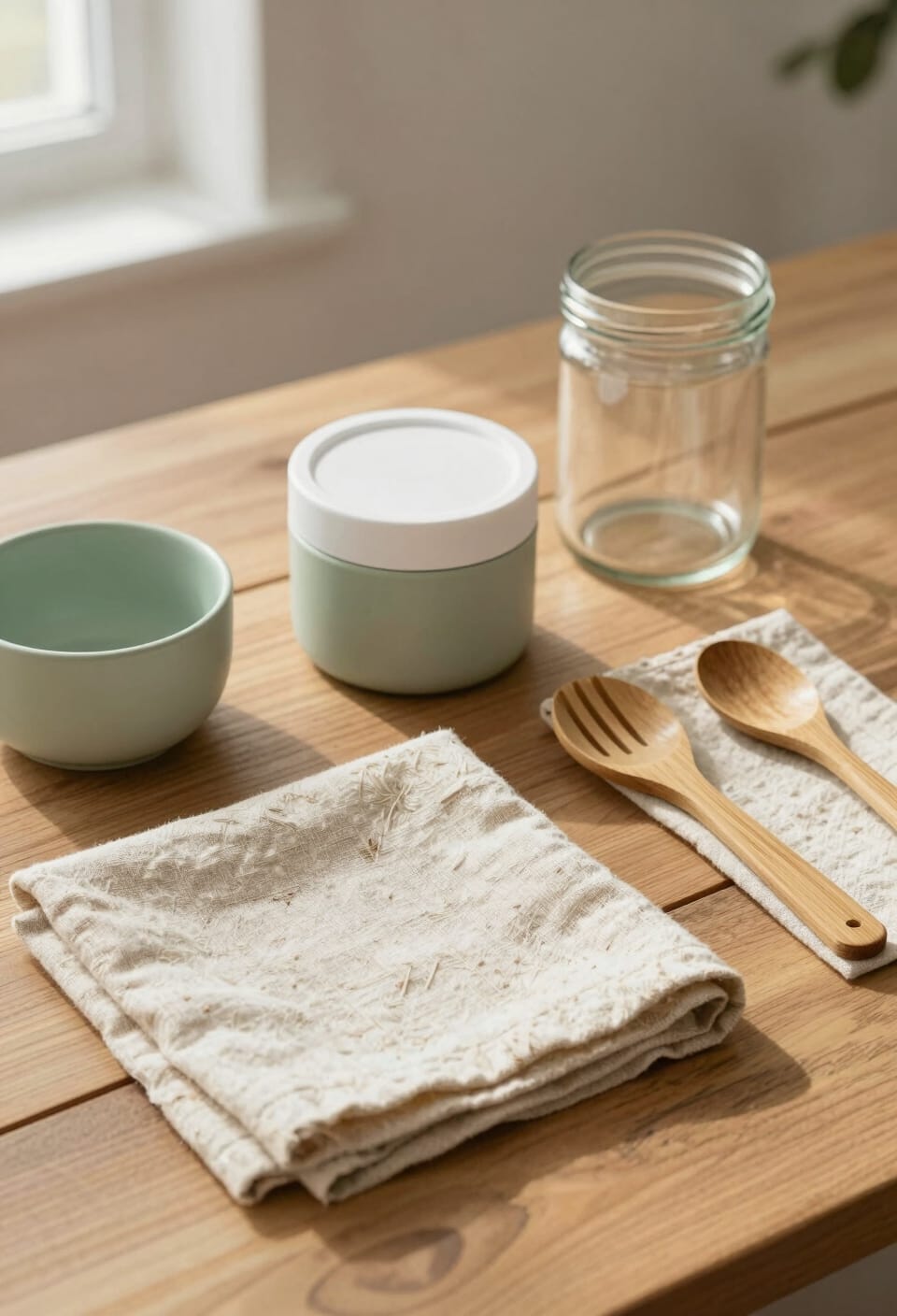
A Room-by-Room Roadmap to a Lower-Waste Home

Switching to a lower-waste home might feel daunting. Ever stood in your kitchen, looking at all the plastic waste and thought, “There’s gotta be a better way”? You can take it step by step, and trust me, it all adds up.
Start with your kitchen. Try switching to beeswax wraps instead of plastic wrap; they’re super easy to use and can keep your food fresh.
Meal planning is another simple trick to help cut down on food waste. You’ll save money too!
In the bathroom, consider a bamboo toothbrush instead of that classic plastic one.
Biodegradable soaps are another easy swap that makes a difference. Every small choice you make contributes to a cleaner planet.
When it comes to laundry, why not look into energy-efficient machines?
Cold water washes not only save energy but are gentle on your clothes. Small tweaks here and there, like these, can lead to a big impact over time.
So, why does all this matter? It’s not just about reducing waste; it’s about creating a healthier home for you and your loved ones.
Remember, every bit counts.
Stick around for more tips and ideas on how you can make your home more sustainable! What small change will you make today?
Key Takeaways
- Implement meal planning in the kitchen to prevent food waste and optimize food storage.
- Utilize reusable products like bamboo utensils and beeswax wraps to cut down on plastic usage.
- Choose eco-friendly bathroom products, such as bamboo toothbrushes and biodegradable soaps, to reduce waste.
- Adopt sustainable laundry practices, such as using cold water and energy-efficient machines, to save resources.
- Participate in community initiatives like cleanup days to actively contribute to waste reduction efforts.
Why You Should Transition to a Lower-Waste Home

Have you ever thought about how much food gets wasted in the U.S.? It’s shocking to know that nearly 35% of it ends up in landfills. If you’re looking to make your home more sustainable, transitioning to a lower-waste lifestyle can make a big difference. Not only does it help the planet, but it can also save you some cash along the way.
Try this: start by making small changes, like swapping out single-use plastic bags for reusable ones. It’s an easy switch, and every little bit counts when you’re trying to lower your carbon footprint. Honestly, it’s amazing how these small adjustments can lead to a healthier living environment. You’ll be reducing your exposure to harmful chemicals often found in disposable products.
One practical shift to consider is using eco-friendly products like reusable safety razors, which significantly reduce plastic waste compared to disposable alternatives.
The best part is, focusing on eco-friendly choices can actually lower your household expenses by up to 30%. That’s money you can spend on other things you love. Plus, embracing this lifestyle often creates stronger bonds with your community. You’re not just making changes for yourself; you’re joining others in the common goal of conservation.
So, why does this matter? Well, when we collectively commit to lower-waste practices, we all benefit from a cleaner and healthier environment. It doesn’t take grand gestures to make a real impact.
Lower-Waste Kitchen Essentials

Have you ever looked in your fridge and felt a pang of guilt at the amount of food you throw away? Creating a sustainable kitchen can really help cut down on that waste. One of the best ways to start is through meal planning. When you plan your meals and store food properly, you’re less likely to let produce go bad.
Think about using reusable grocery bags when you shop, and focus on picking fresh fruits and veggies without packaging whenever you can. It’s a great way to not only support your health but also the planet. Here’s the trick: switch out plastic wraps for beeswax wraps. They’re reusable and eco-friendly. And instead of liquid detergent, try dish soap bars. They clean just as well and reduce plastic waste.
Don’t forget to add a compost bin to your kitchen setup! It’s a simple step that can make a big difference. Why toss those food scraps in the trash when they could enrich your garden? Beeswax wraps, made from organic cotton and beeswax, offer a sustainable alternative to single-use plastic wraps.
Truth is, by adopting these lower-waste kitchen essentials, you create a space that’s not just good for the environment, but also for your family.
Sustainable Practices for Your Bathroom

When’s the last time you thought about your bathroom’s impact on the planet? Most of us focus on living rooms and kitchens, but the bathroom is a great place to start making some eco-friendly changes. You can begin with the personal care products you choose. Opt for bamboo toothbrushes and biodegradable soaps—they’re fantastic because they reduce waste significantly.
Showers are another key area where you can make a difference. Have you ever considered how much water those long, leisurely showers really consume? Simply by installing low-flow fixtures and taking shorter showers, you can save thousands of gallons each year. That’s a win-win for your wallet and the environment. And don’t forget about those pesky leaks—they might be small, but those little drips can add up to a staggering 20 gallons a day!
Speaking of waste, let’s talk about disposable items. For many of us, cotton rounds and facial wipes are bathroom staples. Try replacing them with washable alternatives. It doesn’t just cut down on waste; it can also be a smarter choice for your skin and your budget. Choosing a bamboo toothbrush with medium bristles is a great way to maintain effective oral hygiene while supporting eco-friendly habits.
How to Make Your Bedroom Eco-Friendly?
Ever thought about how your bedroom plays a role in eco-friendly living? It’s easy to forget this space when making sustainable choices but it’s crucial.
Let’s dive into your bedding first. Opting for organic cotton or linen is a great way to cut down on your environmental impact and can actually improve the air quality in your room. Have you considered mending or upcycling those old clothes instead of tossing them? Keeping textiles out of landfills not only helps the planet but can add a personal touch to your decor.
When it comes to energy efficiency, think about simple swaps. Using blackout curtains can keep your room cooler and reduce the need for air conditioning. Switching to LED lighting is another easy change; plus, don’t forget to turn off the lights when you leave the room—every little bit counts!
For a calming vibe, why not try eco-friendly candles made from soy wax? They burn cleaner than traditional candles, and they can really help create that serene atmosphere we all want in our bedrooms.
And here’s a quick tip: when you’re laundering your bedding, wash in cold water. Not only does it save energy, but it also helps lower your carbon footprint.
Incorporating reusable and sustainable materials, like those found in eco-friendly gadgets, can further reduce waste in your daily life.
Making your bedroom eco-friendly doesn’t have to be complicated. What small changes will you try next?
Choose Eco-Friendly Laundry Practices
Do you ever think about how much water and energy your laundry uses? You might be surprised at how easy it is to adopt eco-friendly laundry practices that are good for both the environment and your wallet. For starters, think about switching to an Energy Star-rated washing machine. These machines can consume up to 50% less water and energy than standard models, which means lower bills for you. Plus, washing your clothes in cold water can save you a whopping 90% of energy!
When it comes to drying your clothes, consider ditching those conventional dryer sheets. Instead, try out reusable wool dryer balls. They naturally soften your clothes and can cut down your drying time, saving even more energy. Here’s the trick: just toss a few of these balls in with your laundry, and you’ll notice a difference.
Microfibers are another concern in our laundry routines. You might not realize that regular washing can release tiny fibers that harm marine life. That’s why using a Guppyfriend washing bag is so important. This ethical choice traps microfibers, preventing them from entering the water system.
And let’s chat about laundry detergents. Instead of the usual plastic bottles, consider switching to laundry detergent sheets. They come with minimal packaging and help reduce plastic waste. You don’t need to compromise on cleanliness while being mindful of the planet.
Every little step counts in making a positive impact! By embracing these eco-friendly practices, you can keep your clothes fresh and contribute to a healthier planet. So, what eco-friendly changes will you make to your laundry routine?
Greening Your Backyard
Have you ever looked at your backyard and thought it could do with a bit of a makeover? Turning it into a sustainable space doesn’t have to be overwhelming. A few simple steps can help you make a real difference.
Starting an edible garden is a fantastic way to get fresh produce right from your backyard. Plus, it helps cut down on food waste, which is a win-win in my book. When you start composting your organic scraps, not only do you enrich your soil, but you also keep that waste out of landfills. It’s amazing how much of a positive impact these practices can have.
And let’s talk about planting native trees. So, why does this matter? They’re like superheroes for our environment! Native trees boost local biodiversity, create cozy habitats for wildlife, and even help sequester carbon that’s floating around in the atmosphere. This kind of tree planting truly enhances our ecosystem.
If you want to keep your backyard thriving, consider using organic pest control and even harvesting rainwater. These sustainable gardening practices not only help your plants but also promote a healthier environment overall.
For those of you dealing with limited outdoor space, don’t worry—there’s hope! Indoor container gardening lets you grow veggies year-round without needing a big yard. It’s a practical solution that can help reduce your reliance on store-bought alternatives.
Another great way to support a green backyard is by choosing compostable plant pots to minimize plastic waste and improve soil health.
The best part is, making these changes isn’t out of reach. So, what are you waiting for? Start transforming your backyard into a greener, more sustainable space today!
Simple Strategies for Decluttering Your Space
Ever feel overwhelmed by the clutter inside your home after sprucing up your backyard? I know the feeling! One of the first places to look is your wardrobe. Take a moment to reflect on how often you actually wear certain clothing and shoes. If something hasn’t seen the light of day in months, consider donating it. It’s surprising to think about how 17 million tons of textiles end up in landfills each year—your small act can make a big difference.
When it comes to cleaning supplies and personal care products, it’s time to simplify. Look for eco-friendly, multipurpose items that do more with less. This not only cuts down on waste but also saves you money in the long run. Have you ever found a bottle of something that you bought years ago just taking up space? We’ve all been there!
Books and kitchen gadgets are another area worth tackling. If you’ve got titles on your shelf that you plan to read ‘someday’, it might be time to pass them on. Cooking tools you never use can also find new homes with folks who will appreciate them. Plus, donating these items can really help out your community.
Participating in local cleanup events is another fantastic way to handle things you can’t just toss in your regular trash. Not only do you declutter responsibly, but you also help improve your neighborhood. Incorporating natural, non-toxic products into your home routines complements these lower-waste efforts for a healthier environment.
Ultimately, these straightforward steps not only declutter your space but can also foster a lower-waste lifestyle. So, what’s the first item you’re thinking of parting with today?
Join Community Efforts for Waste Reduction
Have you ever looked around your neighborhood and thought about how much trash is lying around? It can be frustrating. But here’s a good way to make a difference: join community efforts focused on waste reduction.
Participating in local cleanup days is a simple yet impactful way to tackle litter head-on. Not only do these events help pick up trash, but they also provide a space to responsibly dispose of items that are tough to recycle. Engaging with local waste reduction groups does more than just clean up; it builds a sense of community. Collaborating with others can make our environment cleaner and more enjoyable for everyone.
Here’s the trick: look out for initiatives like the Buy Nothing Project. This is a fantastic way to exchange items you no longer need and give them a second life, while also reducing waste. You might even discover some hidden treasures that others are giving away!
Don’t underestimate workshops on sustainable practices either. They offer valuable tips and insights into eco-friendly changes you can easily implement at home. Learning about proper recycling methods or effective waste management can empower you to make better choices every day.
Choosing eco-friendly products like bamboo utensils in your kitchen is another effective step toward reducing your environmental footprint.
So, why does this matter? By participating in these community efforts, we educate our neighbors and strengthen our commitment to creating a cleaner, greener community. Honestly, it’s about all of us doing our part.
In short, joining hands with your local community not only helps with waste reduction but also fosters connections that make where you live a better place to be. Are you ready to get involved and make a change?
Staying Committed to a Lower-Waste Lifestyle
Feeling overwhelmed by the idea of living sustainably? You’re not alone! The truth is, making small, everyday choices can lead to significant changes. For starters, consider meal planning. Not only does it help you save money, but it also cuts down on food waste, which takes up way too much room in landfills.
Engaging in local cleanup days is another great way to show your commitment to a zero-waste lifestyle. It’s a chance to connect with your community while learning to recycle those tricky items that often get tossed in the garbage.
Here’s a simple tip: always keep reusable grocery bags in your car. This small act can help you ditch single-use plastics when you shop. And during spring cleaning, focus on how to manage waste sustainably—composing and recycling means you could potentially keep more than 90% of your trash from ending up in landfills.
Using machine-washable reusable bags ensures your shopping bags stay clean and fresh while minimizing environmental impact.
Here’s the trick: tackle one room at a time. It can feel daunting, but each effort continues to push you toward a cleaner, lower-waste home.
Frequently Asked Questions
How Can I Find Affordable Eco-Friendly Products?
We can find affordable eco-friendly products by exploring budget-friendly options, seeking eco-friendly alternatives, hunting for secondhand treasures, and embracing DIY solutions. Sustainable shopping isn’t just possible, it’s often more rewarding and creative!
What Are the Long-Term Benefits of Reducing Waste?
Ironically, cutting waste not only saves our wallets, but boosts our health, too. We’ll enjoy sustainability benefits, create financial savings, lessen our environmental impact, and foster community engagement—all while feeling pretty great about ourselves.
How Can I Educate My Family About Sustainability?
We can educate our family about sustainability through family workshops, fun educational games, engaging sustainability books, and eco-friendly films. Let’s set up discussion nights to share what we’ve learned and inspire each other!
Can I Create a Lower-Waste Home in an Apartment?
Absolutely, we can create a lower-waste home in our apartment! Let’s embrace small space solutions, use zero waste essentials, implement apartment recycling tips, invest in energy-saving appliances, and try DIY biodegradable products for a sustainable lifestyle.
What Are Common Misconceptions About a Lower-Waste Lifestyle?
Many believe sustainable living is too expensive, but studies show waste reduction myths often mislead us. We’re here to debunk recycling misunderstandings and tackle eco-friendly challenges together, proving a lower-waste lifestyle’s accessible and fulfilling.


