As an Amazon Associate, we earn from qualifying purchases. Some links on this site are affiliate links at no extra cost to you. Our recommendations are based on thorough research and editorial judgment.


Shampoo Bars: Transition Tips, Scalp Adjustment, and Storage

Switching to shampoo bars? It can be a bit of a journey for your hair and scalp. You might find it takes anywhere from 2 to 6 weeks for everything to settle down. During this adjustment period, it’s normal to experience a little extra oiliness and sensitivity—don’t worry, you’re not alone!
To make the transition smoother, here are a few tips to keep in mind:
- Wash regularly and ensure you’re rinsing thoroughly.
- A gentle scalp massage can help improve circulation and ease any discomfort.
If you notice your scalp is feeling a bit different, remember, this is just your hair adjusting to the new routine.
So, why does this matter? It’s all about allowing your hair to find its balance.
As for taking care of your shampoo bars, try using a soap dish that lets excess water drain away. Storing them in a cool, dry place will keep them in tip-top shape!
Honestly, navigating this transition can feel a bit frustrating at times, but sticking with it often leads to healthier hair in the long run.
Remember, it’s all part of the process.
In the end, just be patient with yourself and your hair.
Have you experienced any surprising changes since switching to shampoo bars?
Key Takeaways
- Expect a 2 to 6-week transition period, with initial waxiness and oiliness as your scalp adjusts to shampoo bars.
- Regular washing and thorough rinsing are crucial to manage excess oil and dryness during the adjustment phase.
- Use apple cider vinegar rinses weekly to balance scalp pH and remove mineral buildup from hard water.
- Store shampoo bars in a dry, cool place with drainage holes to prolong their lifespan and prevent sogginess.
- Be patient and allow your scalp’s microbiome to rebalance, as improvements in hair health will occur after 7-12 weeks.
Understanding the Shampoo Bar Transition Process
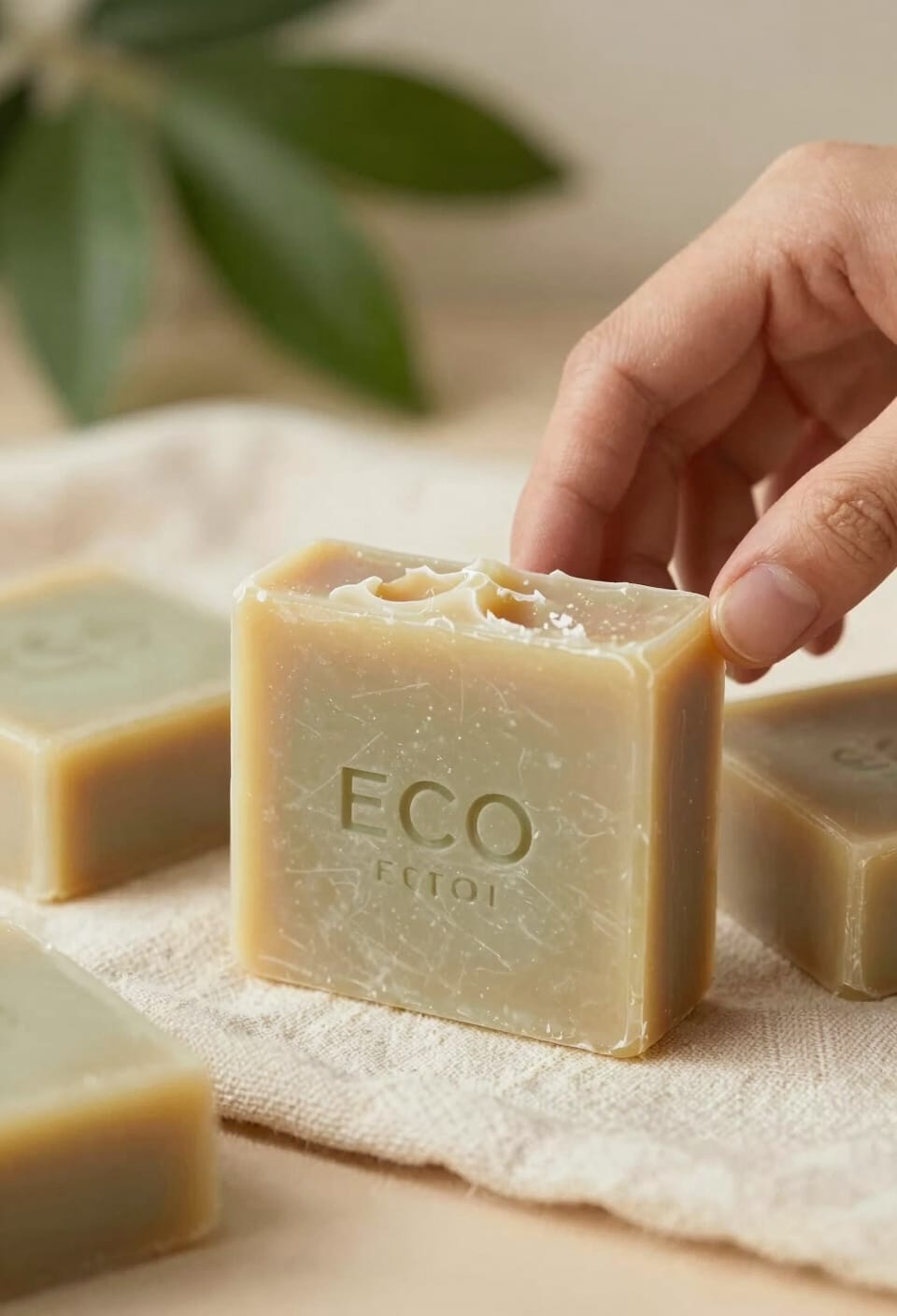
Switching to shampoo bars can feel like a bit of a wild ride. You might not realize it right away, but both your hair and scalp need some time to adjust. Expect this change to take anywhere from 2 to 6 weeks, and remember, the journey isn’t exactly smooth sailing at first.
During the detox phase, you may notice a few things happening. Your scalp might produce more oil than you’re used to, leaving your hair feeling a bit waxy. That’s just the silicone buildup washing away. It’s a good idea to give yourself grace during this time as your scalp gets used to the new routine.
As you move into what’s called the reset phase—this can happen around weeks 3 to 6—you could experience some flaking or even a bit of sensitivity. Why does this happen? It’s all about your scalp trying to balance its microbiome again. So keep an eye on how your hair changes through this transition.
Here’s the trick: tailor your washing frequency to fit your hair type. Some folks may need to wash more often, while others might find they can go a little longer between washes. And don’t forget to rinse thoroughly each time; a good rinse can make a world of difference in how your hair feels afterward.
Truth is, with a little patience, you’ll soon be on the other side enjoying your hair’s natural oils and a beautiful shine. Have you thought about trying shampoo bars? Many shampoo bars include natural extracts that promote scalp health and enhance hair thickness, which can support a smoother transition.
What to Expect During Your Scalp Adjustment?

Adjusting to shampoo bars can feel a bit like navigating uncharted waters, especially for your scalp. Ever find that your scalp gets a bit rebellious when you switch from conventional products? It’s pretty common! Initially, you might notice your scalp producing more oil as it tries to adjust after getting rid of those harsh detergents. This could lead to some dryness or unexpected greasiness, and honestly, it might take a good 2 to 3 weeks for everything to balance out.
During this adjustment period, you might face some flaking, sensitivity, or even a waxy feeling. This happens as your scalp clears out the silicones from the old products you were using. So, what’s the best way to support your scalp through these changes? First, try to maintain a regular washing routine. It helps to rinse thoroughly since leftover product can make your scalp greaser than it needs to be.
Here are a couple of tricks: Regular scalp massages can help increase circulation, and incorporating an apple cider vinegar rinse can also aid in restoring balance. These little actions can make transitioning to shampoo bars a lot smoother.
What’s important to remember is that these adjustments are totally normal, and you’re not alone in this! Embrace the changes and find what works best for you. After all, your scalp deserves some TLC during this shift. How have you tackled the adjustment to new hair products? Using products with corrosion-resistant materials can similarly ensure durability and minimize irritation during transitions.
How to Handle Oiliness and Dryness During Your Transition
Switching to shampoo bars can feel pretty daunting, especially when you’re dealing with the rollercoaster of oiliness and dryness. Ever notice how your scalp seems to go into overdrive at first? That’s sebum overproduction for you. It’s your scalp’s way of adjusting to no longer relying on traditional shampoos.
So, what can you do about all that oil? Try brushing your hair regularly! This helps distribute those natural oils, giving your hair a healthier appearance. Plus, if you’re facing dryness or tangling, just hang in there. It’s super common, and most people find that those issues resolve themselves after a few washes as your hair gets used to the nourishing ingredients in the bars.
Here’s a little tip: consider doing a baking soda rinse before you switch over. This can really help clear out any product buildup you may have. It’s all about giving your hair the chance to breathe.
Truth is, finding the right balance for your scalp can take time—anywhere from 2 to 6 weeks, in fact. So be patient with yourself! Choosing products made from eco-friendly materials can also support your scalp’s health and benefit the environment during your transition.
Recommended Products

Single-function round rainhead features full coverage with Katalyst technology, a drenching spray experience ideal for rinsing shampoo from hair

Soft, rubber Touch-Clean spray holes allow you to easily wipe away calcium and lime build-up from the spray face of your shower head and hand shower with the touch of a finger

Perfect for New & Remodel Bathroom: SR SUN RISE Shower Valve (included) NOT compatible with existing valve, must be removal of existing tile or shower walls.
Storing Shampoo Bars for Maximum Longevity
Have you ever noticed how quickly shampoo bars can turn into mush if you don’t take care of them? It’s a real bummer when your eco-friendly switch doesn’t last as long as you hoped. One of the best ways to keep those bars around is by storing them properly. Try this: grab a soap dish that has drainage holes. This helps prevent the bars from sitting in water and getting soggy, which is a huge win.
Keeping your bars in a cool, dry spot is super important, too. Direct sunlight can really mess with their effectiveness, so it’s best to keep them away from bright rays. And don’t forget to let them dry completely between washes. I know it might seem like a small detail, but it makes a big difference in how long your bars stick around.
Here’s a tip: always return your bars to the same storage spot after using them. It’s one of those habits that can save you from mistakes down the line. When you’re traveling, consider using a travel case—it’s the best way to protect your shampoo bars from getting banged up or damaged while you’re out and about.
So, why does this matter? Because keeping your shampoo bars in tip-top shape allows you to enjoy them longer while being kinder to the environment. When you get down to it, it’s all about making those small changes that lead to better results.
In short, take a bit of time to think about how you’re storing your shampoo bars. Doing it right will ensure you get the most out of your purchase. Are you ready to give these tips a try? Remember, just like eco-friendly products that come with refillable packaging, storing your shampoo bars properly plays a big part in reducing waste.
Recommended Products

Bright chrome soap dish with drainage holes.

Rustproof anodized aluminum frame and shelf keeps your shower clean and organized.

How Water Quality Affects Your Shampoo Bar’s Performance
When it comes to your shampoo bars, have you ever thought about how the quality of your water impacts their performance? It’s easy to overlook, but water quality can seriously affect your hair care routine. For instance, if you’ve got hard water—loaded with calcium and magnesium—you might notice your hair feeling a bit waxy or greasy. This isn’t just a weird hair day; it can mess with how well your shampoo bar lathers and cleans.
So, what can you do about it? Try this: give your hair a weekly apple cider vinegar rinse. It’s a simple trick that helps cut through that mineral buildup and brings back the shine while keeping your scalp in check. If you’re fighting a losing battle, switching to a filtered showerhead could be another effective fix. You’ll be reducing those pesky minerals that are making your shampoo bar less effective.
Frankly, addressing water quality can really elevate your shampoo bar experience. Plus, it’s a step toward cutting down on plastic waste in beauty products, which is a bonus for both you and the planet. Many zero waste conditioners, such as the Eco-friendly Peppermint Eucalyptus Conditioner Bar, are formulated without harsh chemicals like SLS, which can help maintain scalp health in varying water conditions. So, the next time you’re washing your hair, think about what’s coming out of that faucet. Is it helping or hindering your hair goals?
Recommended Products

【Material & Size】This shower bench is made of polystyrene, it looks like real wood from out look, but actually it's a heavy duty plastic, no splinters and no maintenance ( 21.3 x 14 x 17.3 Inches).

【Modern Fluted Aesthetic】 Elevate your bathroom decor with this chic over-the-toilet storage cabinet. Featuring distinctive fluted panel doors and a warm natural oak finish, this unit brings a mid-century modern and boho touch to your space, perfectly replacing generic white organizers

COMPATIBLE WITH HANDHELD SHOWERHEADS: Specifically engineered to work where standard hanging caddies can't fit — designed for handheld showerhead setups.
Identifying the Three Distinct Phases of Hair Transition With Shampoo Bars
Making the switch to shampoo bars can seem a bit daunting, especially when you’re used to those familiar liquid products. You’ve probably heard about Lush’s solid shampoo bars, but what’s the real deal? The whole journey actually unfolds in three clear phases.
First, there’s the Detox phase, which lasts from Days 1 to 14. Your scalp is saying goodbye to those harsh detergents, but hold on—this often leads to an oil surge that can be pretty frustrating. Are you feeling a bit overwhelmed? You’re not alone! Many experience increased oiliness during this time as your scalp adjusts.
After that is the Reset phase, which spans Weeks 3 to 6. At this point, your scalp microbiome starts finding its balance. While this might cause some temporary flaking, patience is essential. You’ve got to let your scalp do its thing.
Finally, we arrive at The Payoff phase, Weeks 7 to 12. This is where you’ll start seeing real improvements. Think healthier hair, more volume, and that gorgeous natural shine. Trust me, it’s worth the wait. Recognizing these phases can really help you stick with it as you embrace this natural cleansing journey. Using complementary products like solid conditioner bars can enhance your hair care routine during this transition.
Common Mistakes to Avoid When Switching to Shampoo Bars
Making the switch to shampoo bars can come with some bumps along the way. You might find yourself washing your hair as often as you did with liquid shampoos, but your scalp needs a little time to adjust. Trust me, washing every few days is usually plenty while you’re getting used to the new routine.
Another common slip-up is using too much product. Seriously, just a small amount can create a good lather. Also, don’t forget the rinsing part; if you leave some of that residue behind, it could lead to build-up.
And let’s talk about storage. Keeping your shampoo bars in a dry soap dish with drainage can seriously make a difference in how long they last. Oh, and water quality plays a role too—hard water can really affect how well everything works. So, why not try an apple cider vinegar rinse to help balance things out?
To keep your shampoo bars effective and fresh, consider using airtight silicone lids to protect them from moisture and contamination when not in use.
Recommended Products

Push button convenience

Push button convenience, dispenses just the right amount every time

VERSATILE SHOWER CADDY DESIGN – This shower caddy hanging works as both a wall-mounted shower organizer with a strong suction cup or as a free-standing unit with sturdy legs. It functions perfectly as a compact shower shelf or shower shelves solution, giving you flexible shower storage for any bathroom setup.
Complementary Products to Enhance Your Routine
Want to take your hair care routine to the next level? If you’re using shampoo bars, don’t forget about complementary products that can really enhance your results. Pairing your favorite shampoo bar with conditioner bars, like those from Ethique, can help keep your locks hydrated and happy.
If you’re trying to achieve more volume, mini bars targeted for that purpose can be a great addition. And for those of you dealing with hard water, consider getting a water softener. It can prevent buildup that messes with your hair’s health.
Adding an apple cider vinegar rinse to your routine once a week can work wonders, balancing your hair’s pH for a fresh, clean feel. Want to tackle dryness? A pre-wash oil treatment on your ends is a lifesaver during this process.
Using shampoo bars with natural essential oils not only nourishes your hair but also helps regulate oil production, enhancing overall scalp health.
These simple tweaks can really elevate your experience with shampoo bars. What’s your go-to hair care hack?
Recommended Products

THE MOST COMPLETE BULK HYGIENE KIT AVAILABLE — 20 PIECES EACH: Every kit arrives pre-packed with premium, name-brand shampoo, conditioner, body wash, bar soap, deodorant, shaving cream, razor, toothbrush, toothpaste, flossers, cotton swabs, nail clipper, toiletry wipes, bandages, and comb — the most comprehensive kit you can put in someone's hands.

CLEAN & SAFE - Bergman Kelly hotel bulk amenities provide luxurious cleaning protection for your hygienic bathing needs

COMPLETE 10-PIECE KIT: Includes Fresh Scent shampoo (1 oz), conditioner (1 oz), hand & body lotion (2 oz), deodorant soap (0.85 oz), stick deodorant (0.5 oz), Crest toothpaste (0.85 oz), toothbrush with cover, 100% cotton washcloth, and clear travel bag
Answers to Your Shampoo Bar Transition Questions
Have you ever thought about switching to shampoo bars? It can be a bit of a challenge at first. You might find your hair feeling dry or, in some cases, a little too oily. That’s completely normal while your scalp gets used to ditching those harsh chemicals. The adjustment period usually takes about 2 to 6 weeks, depending on your hair type and the products you were using before.
During this transition, regular brushing can really help spread those natural oils around, which can make a big difference. Also, try this: using an apple cider vinegar rinse can help get rid of any residue and balance your hair’s pH levels. Keeping track of how your hair changes over time can really make you appreciate this journey toward a more sustainable hair care routine.
So, why does this matter? It’s all about finding that balance. Everyone’s hair is different, and what works for one might not work for another. Don’t be discouraged if it feels a bit off during the first few weeks; it’s all part of the process.
In the end, it’s about discovering what feels right for your hair. Choosing products with natural and organic ingredients can support healthier hair and scalp during this transition. Are you ready to embrace this new adventure in hair care?
Frequently Asked Questions
Can I Use Shampoo Bars on Color-Treated Hair?
Absolutely, we can use shampoo bars on color-treated hair! It’s essential to choose sulfate-free options for better color retention and moisture balance, while considering ingredient compatibility and application techniques based on user experiences for best results.
How Long Does a Shampoo Bar Typically Last?
Shampoo bars typically last several months, depending on usage, making their longevity impressive. We’re amazed by their cost efficiency, ingredient quality, and reduced environmental impact, often finding varied user experiences and brand comparisons enlightening.
Are Shampoo Bars Suitable for All Hair Types?
Yes, shampoo bars can suit all hair types! We’ve seen benefits for various textures, promoting scalp health while being eco-friendly. Plus, they’re often cost-effective. User experiences vary, but many love their results.
Can I Travel With Shampoo Bars Easily?
Absolutely, we find shampoo bars a fantastic travel convenience! They’re easy to pack, comply with security regulations, and eliminate liquid alternatives. Plus, using on-the-go accessories or travel sizes makes our trips hassle-free and enjoyable.
Do Shampoo Bars Create More or Less Lather Than Liquid Shampoo?
Shampoo bars can create less lather compared to liquid shampoo, depending on their bar formulation and our lathering techniques. However, the ingredient impact often enhances our usage experience, making them eco-friendly and effective alternatives.