As an Amazon Associate, we earn from qualifying purchases. Some links on this site are affiliate links at no extra cost to you. Our recommendations are based on thorough research and editorial judgment.

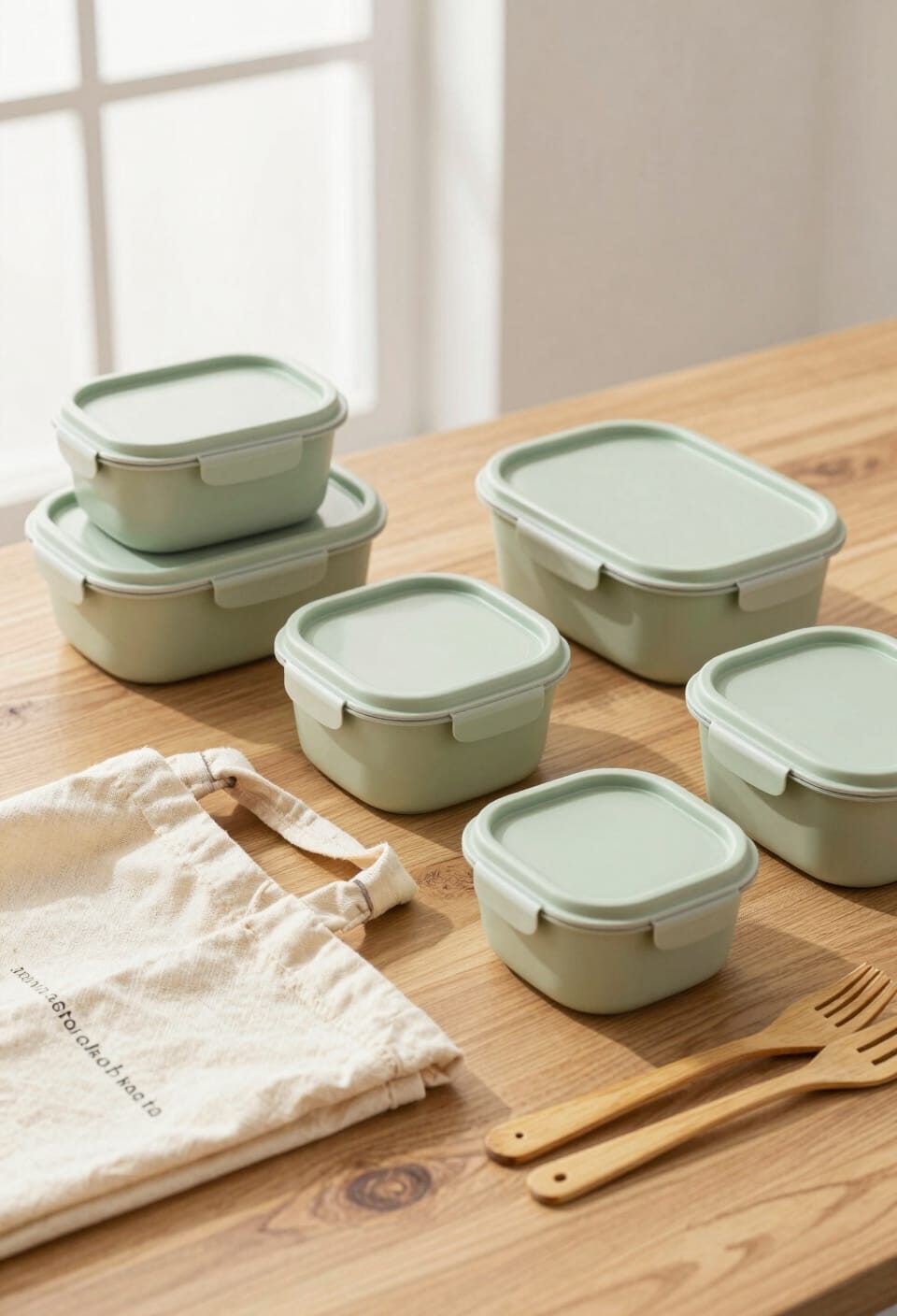
Meal Planning to Cut Food Waste: A Beginner System That Sticks

Are you tired of tossing out food every week? Meal planning may be the answer to cutting down on waste while saving money at the same time. The key is to take a good look at what’s hanging around in your fridge and pantry that’s getting close to its expiration date.
Try this: make a simple meal plan with about 4-5 meals based on those items. It doesn’t have to be complicated. Just jot down your favorite recipes and create a shopping list that focuses only on what you actually need. Once you’ve got that plan in place, it’s time to hit the store—stick to the list to avoid impulse buys that can lead to more waste.
And here’s the trick: don’t forget to think about leftovers! They can be a lifesaver for easy lunches or quick dinners throughout the week.
So, why does this matter? Each time you reuse food, you’re reducing waste, saving money, and you’re doing your bit for the planet.
Frankly, if you can stick to this meal planning routine, you’ll find that reducing waste becomes much easier. Start small, be consistent, and soon you’ll develop a habit that works for you.
Ready to give it a shot? What’s one recipe you can plan around this week?
Key Takeaways
- Assess your fridge and pantry regularly to identify items that are nearing expiration and prioritize them in your meal plan.
- Create a weekly dinner plan featuring 4-5 versatile meals that utilize your inventory effectively, minimizing waste.
- Stick to a detailed shopping list to avoid impulse buys and ensure you only purchase items necessary for your planned meals.
- Intentionally plan for leftovers by designing meals that create extra portions for easy future use or quick lunches.
- Engage with your community through meal prep sharing or food donation programs, promoting creativity and reducing overall food waste.
Understanding Food Waste and Its Impact: Why It Matters

Have you ever stopped to think about how much food we actually waste? Nearly 40% of the food produced in America never gets eaten. That’s staggering! It adds up to about $1,866 wasted per household each year. But here’s the thing: by understanding food waste, we can take simple steps to cut back right in our homes.
Try this: start meal planning. It helps you use ingredients that are about to expire and keeps your grocery list focused. When you know what you need, you’re less likely to buy extras that might end up in the trash. Mindful consumption can actually save you money in the long run. Ever thought about how much cash you could keep in your pocket by just being a little more intentional with what you buy and eat?
The best part is, if everyone committed to reducing food waste by just a pound a week, we could save a whopping 52 pounds a year! That’s a pretty encouraging thought, don’t you think? Making small changes like this isn’t just good for your wallet; it’s a win for the planet, too.
So, why does this matter? Wasting food means wasting the resources that went into producing it, from water to energy. Each little step we take can lead to a larger impact when we all pitch in. Composting food scraps in eco-friendly bins is another effective way to reduce overall waste and nourish your garden.
Get Started With Meal Planning: a Step-By-Step Guide
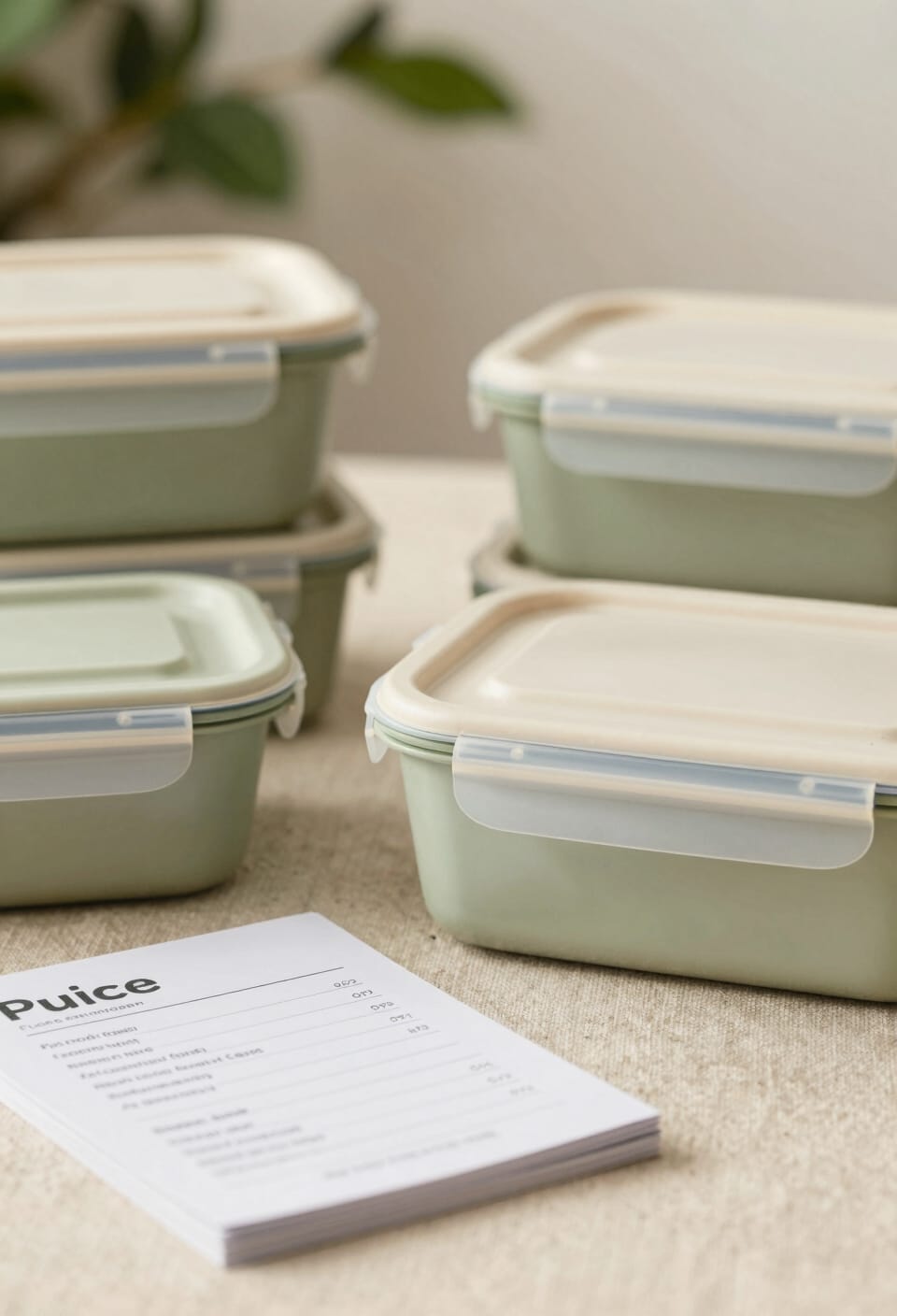
Feeling overwhelmed by what to cook every day? You’re definitely not alone. Meal planning might seem like a lot of work at first, but it can really simplify your life.
Start by checking your fridge and pantry for ingredients that are about to expire. This not only helps cut down on food waste, but it can also inspire some of your meals. Try this: create a weekly dinner plan that includes 4-5 meals using those items. The best part is, you can choose recipes that share common ingredients. This means fewer trips to the store and less stress about what to make.
Don’t forget to incorporate leftover nights or “wildcard” meals. These are great options when you just don’t feel like following the plan or want something a little different. Plus, it gives you some flexibility in case your week gets busy.
When you have your meal plan ready, make a shopping list. This is key because it keeps you focused on what you actually need and helps prevent any impulse buys. So, what’s on your list?
Staying organized is essential. Post your meal plan somewhere visible in your kitchen; it’ll help remind you of what’s coming up next and make cooking feel less like a chore.
Using proper storage methods for vegetables can also extend the life of ingredients, reducing waste further.
In the end, meal planning can be simple and fun. You’ll find joy in the process, knowing you’re saving time, money, and reducing waste. So, what meals are you looking forward to cooking this week?
Crafting the Perfect Weekly Meal Plan That Works for You

Creating a weekly meal plan can feel like a tough puzzle to solve, especially when life gets hectic and we want to keep food waste in check. Start by taking stock of what’s lurking in your fridge and pantry. Got some wilting veggies or half-used jars of sauce? Use those as the foundation for your meals.
Choosing about 4-5 versatile anchor meals can really help minimize waste and spark creativity. Think about some easy sides that pair well with these meals. And don’t forget about leftover nights! They’re a great way to ensure everything gets eaten up. Prioritize fresh produce based on when you need to use it—this way, you won’t end up tossing out those brown bananas.
The best part is having a master meal list of your family’s favorites. This can save you from the dreaded “What’s for dinner?” decision fatigue. So, why does this matter? It makes meal planning not just easier, but also a lot more fun.
To sum it up, keep things simple and focus on what you already have. Using eco-friendly materials like bamboo in your kitchen storage can complement sustainable living goals.
What are some of your go-to meals that help reduce waste?
Essential Strategies to Reduce Food Waste in Your Meal Planning
Ever noticed how much food gets tossed out at the end of the week? It feels like a waste, right? Planning meals that matter while cutting down on food waste doesn’t have to be a chore. Here are some simple strategies that can make a big difference.
Start with a quick check of your fridge and pantry. You’ll want to know what ingredients are close to their expiration date so you can whip up meals that help clear out those items before they go bad. Organizing your pantry using the “First In, First Out” method is a smart move too. That way, you focus on using older items first rather than letting them sit and spoil.
When you hit the grocery store, keep a strict shopping list based on your meal plan. It’s all too easy to grab extra items that look good in the moment, but sticking to your list can prevent those impulse buys. It can be tricky, but controlling what goes into your cart can significantly cut down on waste.
Here’s the trick: incorporate “clean out the fridge” nights into your meal planning. This means making a meal entirely from leftovers or whatever needs to be used up. You might even discover some surprising flavor combinations. It’s about being creative with what you already have.
Planning meals that intentionally create leftovers is also a solid strategy. Think about dishes that make great takeaways for lunch or are easy to reheat for another dinner. By doing this, you not only reduce wasted food but also simplify your meal prep for the week.
So, why does any of this matter? It’s not just about saving money—it’s also about being mindful and making the most of what we have. Using eco-friendly products, like biodegradable ingredients, can further support your sustainable kitchen efforts.
In short, food waste doesn’t have to be a given. With a few practical changes in your meal planning, you can make one small step towards a more sustainable kitchen. What’s one change you could make this week to cut down on food waste?
How Community Engagement Can Enhance Your Meal Planning Journey
Meal planning can sometimes feel like you’re wandering through a maze all alone, right? But guess what? Bringing the community into your kitchen can totally change that. When you share your meal prep stories on social media, you not only motivate yourself but also inspire others to tackle food waste and stay on track. It’s amazing how sharing successes and challenges can build a supportive network that feels like family.
Have you thought about joining local food-sharing programs or donation drives? It’s a great way to spread kindness while bringing the community together. And don’t forget about recipe swaps or potluck events! These are perfect opportunities to get creative with those leftover ingredients and turn cooking into an exciting group endeavor.
You might be surprised by how much you can learn from others. So, why does this matter? When we all take steps to track our food waste reduction efforts, it sparks a collective wave of action that can really boost sustainability in our neighborhoods. Incorporating sustainable practices like using reusable metal straws in daily life is another powerful step to reduce single-use waste.
Let’s embrace this meal planning journey together and see the difference we can make! What will be your first step towards engaging with your community?
Frequently Asked Questions
What Is the 3-3-3 Rule for Eating?
The 3-3-3 rule encourages us to focus on meal balance by including three servings of fruits, vegetables, and whole grains daily. This promotes healthy eating, mindful consumption, portion control, and sustainable choices for nutritious meals.
What Is the 5 4 3 2 1 Rule for Groceries?
Imagine a colorful garden—each week, we’re buying 5 veggies, 4 fruits, 3 whole grains, 2 proteins, and 1 dairy. This 5-4-3-2-1 rule dances with our grocery budgeting, ensuring meal variety while celebrating seasonal ingredients.
What Is the 2 2 2 Rule for Food?
The 2 2 2 Rule for food encourages meal prep with two proteins and two vegetables. We can use online tools for recipe rotation, implement budgeting strategies, and involve our family for better ingredient swaps and portion control.
How Can Meal Planning Help Reduce Food Waste?
Meal planning can drastically reduce food waste—almost 40% of food is wasted annually. By mastering ingredient versatility, shopping lists, and leftovers management, we can guarantee smart meal prep, effective portion control, and creative recipe rotation using seasonal produce.


