As an Amazon Associate, we earn from qualifying purchases. Some links on this site are affiliate links at no extra cost to you. Our recommendations are based on thorough research and editorial judgment.


The Most Common “Eco Swap” Mistakes (And Better Alternatives)

Ever tried to go eco-friendly and ended up with stuff that’s just not cutting it? It’s frustrating, right? We all want to make a difference, but mistakes can happen—like opting for flimsy disposable containers that just end up in the landfill or getting composting all wrong.
How about this: try using reusable coffee cups and sturdy beeswax wraps. They’re not just better for the planet, they’ll also save you some cash in the long run!
And let’s not forget to look out for greenwashing. Seriously, it’s everywhere, and it can be hard to know what’s legit. Always check for those trusted certifications, like the EPA Safer Choice label.
So, why does this matter? Because a little bit of knowledge goes a long way in helping us avoid the common eco traps. With a few practical swaps, we can genuinely make a positive impact.
Let’s take a closer look at what works and what doesn’t when it comes to living more sustainably together.
Just remember: making these kinds of changes might feel daunting at first, but every small step counts.
Have you tried any eco swaps recently? What’s worked or not worked for you?
Key Takeaways
- Avoid mixing compostable items with regular trash; use a dedicated compost bin for effective waste management.
- Choose high-quality, sustainable disposable containers when dining out rather than low-quality options that harm the environment.
- Look for reputable certifications on eco products to avoid greenwashing and verify true sustainability commitment.
- Opt for reusable alternatives like beeswax wraps or stainless steel straws to reduce single-use plastic waste significantly.
- Educate yourself on eco-friendly practices and alternatives to ensure informed decisions in your sustainable living journey.
How to Avoid Common Eco Swap Mistakes

Making eco-friendly swaps can feel a bit overwhelming at times, right? You want to do your best for the planet, but there are a few common missteps that can trip you up along the way. One biggie? If you’re choosing compostable items, make sure to toss them in a dedicated compost bin. This step is crucial for ensuring those products actually break down as they should.
Dining out? Look for places that use high-quality reusable containers rather than those one-and-done disposables. Not only does this make your meal feel a little more special, but it also supports your effort to be more sustainable. Plus, relying on the same kinds of to-go containers can really cut down on confusion about how to dispose of things correctly later.
So, why does this matter? Well, when you’re trying to make better choices, clear labeling or educational materials help inspire others to do the same. And don’t forget about your shopping habits! Opting for local or bulk eco-friendly products can help you cut down on packaging waste while supporting sustainable practices in your community.
Another smart swap is using large beeswax wraps to replace plastic wrap, as they are reusable, biodegradable, and made from natural materials.
The best part is, it really doesn’t have to be as complicated as it seems. Just by being mindful of these choices, you can make a real difference. So, what steps will you take to keep your eco swaps on the right track?
Recommended Products
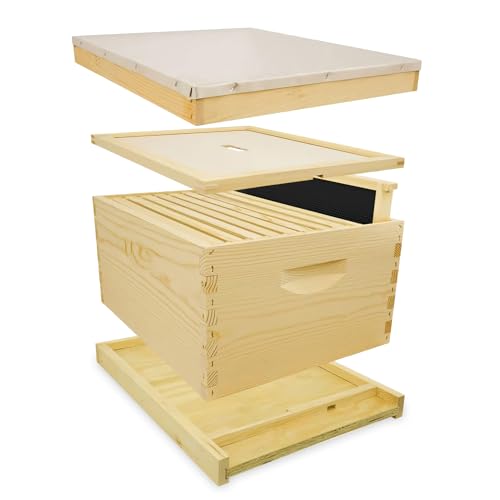
PRECISION BUILT HIVE BODY: Constructed in the USA from sustainably sourced New Zealand Radiata pine wood with reinforced finger joint joinery for structural integrity; 10-frame 9 5/8 inch deep hive body engineered to support dense brood cycles and heavy honey loads without compromise

Board-Nourishing Bundle: Get your set of a Teakhaus teak board with EON Conditioning Oil—a natural blend of beeswax, coconut oil, and orange essential oil crafted specifically for teakwood care. Beeswax seals out moisture, coconut oil nourishes the grain and prevents cracking, and the orange essential oil adds a subtle fragrance that complements teak's natural aroma. After every hand wash, a light application keeps your wooden cutting board in prime condition.

CHEESE STORAGE: Don't let your cheese spoil by using sandwich bags, produce bags or plastic bags that are made with non porous materials. Ensure that your cheese maintains freshness and flavor for longer with a freshness extender bag and paper from Formaticum that are porous and ideal for any cheese lover. Each package contains 15 easy-to-use 6.25” x 11” storage bags and 15 useful 11” x 14” sheets of paper so you can store just about any type of aged cheese.
Why Proper Waste Disposal Matters?
So, have you ever thought about where your compostable waste actually ends up? It might seem like tossing it in any bin is fine, but that’s not quite the case. When compostable materials are dumped into landfills, they can’t break down properly, unlike plastic that can hang around for ages. If compostables get mixed in with regular trash, that creates a mess for recycling efforts too.
Here’s the trick: maintaining a dedicated compost bin is a great way to handle organic waste responsibly. Not only does it turn your food scraps into nutrient-rich soil, but it also helps cut down on greenhouse gas emissions. So, why does this matter? Because when you learn the right disposal methods, you’re supporting sustainable practices in your community.
Try this: sort your waste into compostable, recyclable, and general trash. It really makes a difference! And don’t forget to swap out items in your life for more eco-friendly options, like using natural cleaning products. Honestly, every little bit helps when it comes to reducing your carbon footprint. Using a compost bin made of sustainable materials can enhance your eco-friendly efforts even more.
How to Spot Greenwashing in Eco Products?

Have you ever picked up a so-called “eco-friendly” product and felt a twinge of doubt about its true impact on the planet? It’s easy to get fooled, especially with so many brands playing the greenwashing game, making questionable claims about their sustainability. To navigate this tricky landscape, you need to know what to look for.
First off, keep an eye out for reputable certifications. They often indicate that a brand is genuinely committed to eco-friendly practices. Words and labels matter a lot here, so don’t just take their word for it. If you see vague terms like “all-natural,” be cautious. That could easily hide harmful additives that aren’t good for your health or the environment.
Transparency is another key factor in this equation. When you’re shopping, ask yourself questions like: Where do the ingredients come from? How is the product made? Brands that are proud of their sustainable practices will usually share this information without hesitation.
Here’s the trick: Do a little digging into a brand’s sustainability reputation instead of getting swept up in flashy marketing. Check their website, look for reviews, and don’t hesitate to ask questions. Knowing the environmental impact behind the products you choose is crucial in making informed decisions.
One useful tip is to look for products with certifications like EPA Safer Choice as these provide assurance about ingredient safety and environmental responsibility.
Honestly, it can feel overwhelming at times, but taking these steps can help you avoid falling for greenwashing. Instead, you’ll be able to make choices that are truly mindful for the planet. So next time you shop, remember: read labels, seek transparency, and always question those eco claims. What small change will you make in your shopping habits today?
Recommended Products

ECO-FRIENDLY CLEANING POWER: Concentrated powdered laundry soap works on all your laundry, from high-tech fabrics to delicates, washing away smells, stains, and left-behind residue from previous detergents.

AUTHENTICALLY BOTANICAL: All Benefect products are formulated with botanical ingredients – no harsh or synthetic chemicals. Identified by the EPA as having no known adverse effects to human health or the environment.

Eliminate tough smells with this powerful odor-removing Gel Bucket Refill.
Budget-Friendly Ways to Live Sustainably
Ever looked at your shopping cart and thought, “Wow, living sustainably is really draining my wallet”? The good news is, it doesn’t have to be that way! There are plenty of simple swaps you can make that won’t just help the planet but also keep some dollars in your pocket.
For example, switching from paper napkins and plastic shopping bags to cloth ones is a great move. Not only do you cut down on waste, but you also save money over time. If you’re not already buying in bulk from zero waste stores, give it a shot. You’ll often find better prices per unit while helping to eliminate unnecessary packaging.
And when it comes to cleaning, you don’t need to blow your budget on fancy products. You can whip up your own DIY cleaners using vinegar and baking soda at home. They’re just as effective, and you’ll have peace of mind knowing you’re keeping your space safe for your family.
Have you thought about community swaps? Joining a buy-nothing group can be such a fun way to declutter. You can trade items you no longer need, which is a win for both your wallet and the environment.
When it comes to big purchases, like appliances, consider investing in energy-efficient models. They might have a higher upfront cost but will lower your utility bills in the long run, saving you money.
Another budget-friendly swap is using reusable plates made from eco-friendly materials, which reduce waste and can be used for years.
Honestly, living sustainably doesn’t mean you have to sacrifice your budget. Small changes can lead to significant savings, both for you and the planet. So, what will you try first?
Recommended Products

Promotional Items with Your Logo: Create custom tote bags with your business logo, slogan, artwork, or trendy design. Perfect for small businesses, boutiques, events, trade shows, brand promotions, giveaways, and resale products.

Customizable: Personalize these versatile bags with your logo or advertisement in one color imprint for a unique and impactful brand touch.

13"W x 15"H x 5"D, 100% Recycled Cotton Canvas Tote Bag with Natural Cotton Handles, Reinforced Stitching. Inside Pocket: Practicality meets convenience with an inside pocket, allowing you to keep your essentials organized. From keys to a small notebook, this added feature enhances the functionality of your tote.
Top Eco Swaps You Can Start Today
Have you ever thought about how small changes can make a big difference in your daily life? If you’re looking for ways to live more sustainably, you’re in luck! Let’s start with a super simple swap—reusable coffee cups. Many cafes even offer discounts when you bring your own. It’s a little way to save some cash and reduce waste at the same time!
When you head to the grocery store, consider swapping out those plastic produce bags for organic cotton ones. They wash easily and last a long time. Plus, you won’t find yourself contributing to the plastic problem.
Here’s another handy tip: ditch cling film and give beeswax wraps a try for your food storage. Not only are they compostable, but you can use them over and over again. Isn’t that a win-win?
Shifting to natural shampoo bars can truly cut down on the plastic bottles piling up in your shower. Brands like Ethique and Lush have some great options worth exploring. It feels good knowing you’re making choices that are better for the environment.
And what about those plastic straws we often use? Why not switch to stainless steel or bamboo? These alternatives help in the fight against plastic pollution while allowing you to enjoy your drinks.
Beeswax wraps, made from organic cotton and beeswax, provide a versatile and eco-friendly alternative to single-use plastics in food storage.
Frequently Asked Questions
What Are Common Recycling Mistakes?
We’ve noticed common recycling misconceptions like placing plastic bags in curbside collection, confusing food contamination with recyclables, and mishandling glass recycling and electronics disposal. Let’s clarify these issues for better recycling practices together!
What Is the Most Eco-Friendly Alternative to Plastic?
When we think about sustainability, our best eco-friendly alternative to plastic lies in biodegradable materials like bamboo products, glass containers, natural fibers, and compostable options—every choice we make can lead us toward a greener future.
What Is Surprisingly Not Recyclable?
We often overlook non-recyclable items like plastic bags, greasy pizza boxes, and coffee cups. Improper sorting of mixed materials and containers with food contamination, like packing peanuts, leads to significant recycling challenges we should address together.
What Are 10 Ways to Reduce Reuse and Recycle?
We can reduce, reuse, and recycle by embracing composting techniques, using sustainable fabrics, DIY cleaning, zero waste practices, bulk shopping for essentials, conserving water, exploring upcycling ideas, and enhancing energy efficiency in our homes.


