As an Amazon Associate, we earn from qualifying purchases. Some links on this site are affiliate links at no extra cost to you. Our recommendations are based on thorough research and editorial judgment.


How to Build Habits That Stick (Not Just One-Time Swaps)

Building habits that stick can feel like a daunting task, but it doesn’t have to be. Have you ever tried to change your routine only to find yourself slipping back into old ways? Understanding the core elements of habits—cues, cravings, responses, and rewards—makes the whole process easier.
Starting small is key. Ever thought about committing just two minutes a day? That tiny amount of time can serve as a starting point that leads to bigger changes down the line.
One simple trick is to set up your environment for success. For example, keep your workout clothes where you can see them, or create a cozy reading nook that invites you to relax. Make changes that’ll grab your attention.
Here’s the trick: Try linking new habits to existing ones. When you pair something you want to do with something you already do regularly, it becomes much easier to stick with it. So, if you drink coffee every morning, maybe you could do a quick stretch while it brews. These small tweaks can really help solidify those new habits in your life.
The best part is that persistence pays off. As you keep working on your habits, you’ll likely discover even more strategies for keeping them around for the long haul.
Remember, building habits takes time and patience, so don’t get discouraged if it doesn’t happen overnight.
In conclusion, by starting small and modifying your environment, you create a supportive space for positive change. What habit are you thinking about starting today?
Key Takeaways
- Identify cues that trigger your desired habits and incorporate them into your daily routine for consistent action.
- Start small by committing to tiny actions, gradually building momentum and confidence in your new habits.
- Create an inviting environment by organizing spaces and removing distractions to support habit formation.
- Tie rewards to your habits to enhance motivation and make the changes more appealing in the long run.
- Track your progress through apps or journaling, and engage with supportive communities for accountability and shared experiences.
Understanding the Habit Loop: Cues, Cravings, Responses, and Rewards

Ever find yourself wondering how to make good habits stick? You’re not alone. It’s easy to start strong on a new goal, but making those actions automatic is a whole different ballgame. This is where the habit loop comes into play, and it has four key parts: cues, cravings, responses, and rewards.
Cues are those little triggers in our lives. Think about it—how often does the buzz of your phone get your attention? It gets your brain ready to act, whether you’re expecting good news or just checking the time. When you notice these cues in daily life, you’re already halfway there.
Cravings stem from these cues. They fuel your desire to make a certain choice or take action. For instance, seeing an ice-cold cooler full of bubbly drinks might make you crave something refreshing. That craving drives you to go and grab a drink. So, what does this mean for you? Well, recognizing your cravings can help you align them with positive actions.
Now, let’s talk about your response—the actual action you take. It’s all about motivation and how effortful you perceive that action to be. If you think getting up to take a brisk walk is going to be easy, you’re more likely to follow through. But if it seems daunting? Not so much.
Lastly, we have rewards. They’re crucial because they satisfy those cravings we’ve talked about. When you connect your efforts with something positive—like the feeling of refreshment after a good drink—you’re more likely to repeat that habit. Think about it: What do you enjoy most about the actions you’re trying to make habits?
To really cement these habits in your life, try to focus on the rewards and make sure they’re meaningful to you. You want these actions to not just be things you do, but things you genuinely look forward to.
Incorporating eco-conscious practices into your routine can also serve as a rewarding and fulfilling way to build lasting habits that benefit both you and the environment.
Start Small: The Power of Tiny Habits for Long-Term Change

Have you ever struggled to make changes in your life? You’re not alone. Starting small can be your best bet for creating lasting change. When you commit to tiny habits—like dedicating just two minutes a day to something new—you cut down on resistance and procrastination. These little actions help build momentum and confidence, which are essential for making lasting behavior changes.
As you slowly ramp up your efforts, those tiny habits can lead to significant progress over time. It’s also worth noting that celebrating small wins can lift your spirits and keep your motivation high. So, why is that important? This steady progress creates a positive cycle that keeps you engaged in your journey.
Here’s the trick: try habit stacking. This involves linking a new tiny habit to something you already do every day. For instance, if you want to start a daily gratitude practice, you could think of three things you’re thankful for right after your morning coffee. It’s a simple way to weave new behaviors into your routine without feeling like you’re adding a lot of extra work.
The best part is that embracing these small changes can really transform your daily habits over time. By focusing on manageable steps, you’re more likely to stick with them. Honestly, isn’t that what we all really want? Just remember, progress, no matter how small, is still progress. Incorporating eco-friendly materials into your habits not only benefits you but also supports a sustainable lifestyle.
Recommended Products

Declutter & organize your home at your own pace in 8 comprehensive phases.

🍑WHAT IT IS: A 10-week at-home friendly fitness journal for women using HIIT, circuit workouts.

Requires access to full gym equipment. A total 12-week training program, in a fitness planner, designed to help you track your weight/reps. This is really a hybrid between a personal trainer and workout log book!
How to Set Up Your Environment for Success

How often do you find yourself trying to build new habits, only to get sidetracked by daily distractions? It’s a common struggle, but making a few simple changes in your environment can really help steer you toward success.
Start by putting things that remind you of your good habits where you can see them. For example, lay out your workout clothes the night before so they’re front and center when you wake up. You can also use sticky notes around the house—for instance, one on the fridge could serve as a reminder of your goal to eat healthier. It’s about reinforcing that commitment every day.
Now, let’s talk about distractions. It might be time to clear out the junk food lurking in your kitchen. If unhealthy snacks aren’t within reach, you’re less likely to indulge in bad habits. Similarly, think about how you can blend new habits into your routine. Try meditating for a few minutes right after your morning coffee; it makes sense because both can be part of your ritual.
A cozy spot for reading can also make a huge difference. When you have a dedicated nook that’s inviting, reading becomes something you look forward to rather than a task. So, how could you create a space that makes you want to dive into a good book?
Also, incorporating eco-friendly habits like using reusable bamboo cleaning cloths can seamlessly support your commitment to sustainable living alongside your other goals.
In a nutshell, small tweaks can lead to big changes over time. What’s one change you can make this week to help set yourself up for success?
Recommended Products

DECORATIVE LINEN-FEEL PAPER NAPKINS - Add an upscale feel to your wedding or catered event by setting tables with These imposing colored linen-feel napkins!

ROBUST BUILD: These dessert plates are made from premium melamine for durability and are ideal for serving hot or cold food items. Their lightweight construction is perfect for easy handling.

MODERN TEXTURED DESIGN: Our waffle bath towels combine a mini waffle weave on one side with soft, ribbed terry on the other, bringing timeless style, plush texture, and superior drying power to your daily routine.
Building Habits: How to Create Attractive Cravings
Have you ever started a new habit and then quickly lost interest? It’s frustrating, isn’t it? Finding ways to make these habits exciting can really help you stick with them. That’s where attractive cravings come in. They act as a little push, helping you go from just thinking about doing something to actually getting it done.
To spark these cravings, think about the rewards tied to your habits. For instance, imagine how refreshed you feel after a workout or how cozy it is to dive into a great book. Visualizing these moments can really motivate you.
You can also make small changes in your environment to make these habits more appealing. Here are some ideas to consider:
- Create a cozy reading nook with soft lighting and your favorite blanket.
- Set up a workout space that’s inviting and organized.
Ever thought about how the people around you can affect your motivation, too? Joining a local exercise group or posting about your progress on social media can make a big difference. It’s a lot easier to keep going when you’ve got a support system cheering you on.
Honestly, connecting habits to what you desire can reshape how you approach your daily life. You’re not just sticking to a routine; you’re nurturing something that feels good and meaningful to you. Plus, incorporating eco-friendly choices, like opting for sustainable materials, can add a rewarding sense of purpose to your new habits.
Recommended Products

Recliner Seats: two side recliners enable you to adjust the backrest and footrest to multiple angles for watching, reading or napping. It maximizes space efficiency, combines seating and lounging functions, and is perfect for both daily use and entertaining guests, enhancing the overall coziness and functionality of your living space

Versatile Design: Featuring a chic cream white upholstery paired with a light khaki cabinet, this storage ottoman bench seamlessly blends into modern farmhouse, contemporary, and cozy minimalist interiors. The sleek vertical tufting adds a touch of elegance, making it a stylish focal point that enhances the overall aesthetic of your living room, bedroom, or entryway.

1.Breathing leather, strong texture, feel like physiological skin, delicate, comfortable. Elastic spring with sponge inner core, strong rebound, not easy to deform. this dual reclining sofa is not only luxurious but also practical. The Breathing leather is easy to clean, resistant to wear and tear, It’s a win-win for both comfort and durability.
Simplifying Actions: Making Your New Habits Easy to Accomplish
How do you make new habits feel easier to tackle? A common struggle is getting started, but there are ways to simplify the process. One effective strategy is to take the tiniest step possible. For example, why not commit to just two minutes of a new activity? This small action can really cut down on the resistance and procrastination that often hold you back.
Another great approach is habit stacking. This means pairing the new habit you want to develop with something you already do. It’s like building a little routine on top of your daily life without any extra effort. Plus, don’t underestimate the power of your environment. Making changes in your surroundings can make your new habits feel more enjoyable. Whether that means wearing comfortable workout clothes or adding some fun distractions to boost your mood, these little touches can lighten the load.
Tracking your progress can do wonders for your motivation. You might consider keeping daily notes or using apps like Habitica to stay accountable. It’s satisfying to see your efforts pay off, which can keep you going. And remember, it’s completely okay to make mistakes along the way. Even small steps contribute to making new habits stick. Creating an environment that reduces friction, much like using versatile tools to make tasks easier, can help your habits become seamless parts of your routine.
Choosing Effective Rewards to Reinforce Behavior
Have you ever tried to develop a new habit, only to find yourself slipping back into old ways? It can be tough to stay on track. One of the best ways to help those positive changes stick is by choosing the right rewards. Think about it—when you make progress, immediate rewards can make all the difference in maintaining your motivation.
Instead of relying solely on willpower, consider how rewarding yourself can create a more satisfying experience. Research shows that when rewards are closely tied to your achievements, it boosts your commitment to your new habit. So, what does that look like? Here are a few ideas:
- Treat yourself to a favorite snack after a workout.
- Enjoy a short episode of a beloved show after finishing a task.
- Share your wins with friends or family to amplify that sense of accomplishment.
These little moments can add up over time. Honestly, tracking your progress can also be a game-changer. It not only keeps you motivated but makes the whole journey feel enjoyable. You’re not just checking off boxes; you’re celebrating every step toward a better you. Incorporating eco-friendly habits into your routine can also reinforce positive behavior by aligning actions with your values.
Recommended Products

Healthy & Delicious - These rawhide free bully stick dog chews are high in protein, low in fat & easily digestible.
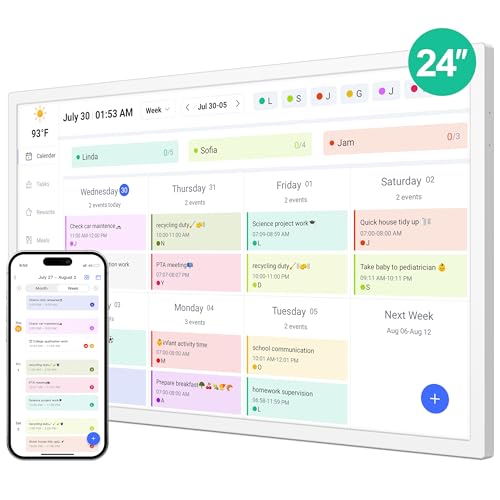
Digital Calendar, Smart WiFi Electronic Calendar&Chore Chart, IPS Touch Screen HD Display for Family Schedules, Share Moments Instantly from Anywhere

Integrating New Habits: The Art of Habit Stacking
Do you ever feel like adding new habits to your routine is just too much? You’re not alone! It can be daunting to make changes when life is already busy. That’s where habit stacking comes in—it’s all about linking a new habit to something you already do effortlessly.
Think about it this way: if you sip your morning coffee every day, try meditating right after that. Or maybe you can floss immediately after brushing your teeth. It’s all about catching those moments in your day that already happen automatically. By figuring out your existing habits, you can create a trigger for that new action, which makes it easier to stick to it. When you write down what you already do, it’s easier to see where you can introduce these new habits without adding extra stress.
So, why does this matter? It really helps to cut down on the mental load that comes with trying to change your behavior. You don’t have to juggle different tasks—just build on what’s already there.
The best part? You can start small. Here’s a quick list of ways to begin:
- Drink a glass of water after your morning coffee.
- Do five minutes of stretching after you change out of your work clothes.
- Read a chapter of a book after you finish dinner.
By stacking these little habits onto your established routines, you’re less likely to feel overwhelmed.
Honestly, it’s all about creating a seamless flow in your life. As you layer these habits, you may find they fit together better than you thought. Incorporating sustainable choices into your routine, like choosing an eco-friendly gym bag, can also reinforce your commitment to positive habits and environmental responsibility.
Recommended Products

[Perfect Hamster Habitat]This 20-inch high hamster cage is tailored for pet rats. The deep design gives your pet plenty of room and bedding space to burrow and create their own burrows or nest. Whether you're housing a single hamster or a small group of animals, this cage provides an ideal living space that mimics their natural habitat.

Say Goodbye to Mess: 4 Tier Shoe Rack holds up to 30 pairs of shoes, shoe rack for closet is 43" length, longer than others general metal shoe organizer, meet family members' shoe storage needs, such high heels, flats, sneakers, flip flops, sandals, wedges etc, find a home for your shoes, shoe shelf keep your closet and home away from mess;

【ROBUST SHOE ORGANIZER】 This shoe rack is made of thickened metal frame, wire grid and adjustable feet, ensuring reliable stability. Hold up to 30 lb for each shelf, with additional bottom storage for more shoes, 4 tiers shoe rack can store up to 12-16 pairs of shoes
How to Maintain Your Habits During Setbacks?
Setbacks can be a real downer, right? When you’re trying to build lasting habits, it can feel like you’ve hit a brick wall. But here’s the truth: setbacks are totally normal. They don’t mean you’ve failed; they’re just bumps in the road. Using a Habit Tracker, like HabitBull, can be a big help. It shows you where you’re succeeding and highlights the areas that need some work, making it easier to see patterns in your journey.
So, how do you handle those tricky moments? It’s helpful to have a game plan in place for when things don’t go as smoothly as you’d like. Start small! Break things down into tiny steps that require less motivation to get going again. And up next, don’t forget to be kind to yourself. Even the smallest effort counts. It’s okay to stumble and then stand back up.
Working with accountability buddies is another great strategy to push through those tough times. Whether you find support in the MyFitnessPal community or with friends in real life, sharing your goals with others can inspire you both. You might be wondering, why does this matter? Because when you have someone in your corner, it makes navigating setbacks feel a little less lonely.
In short, remember that you’re on a journey, and setbacks are just part of it. The next time you face an obstacle, reflect on how you’ll respond. What small step can you take today to get back on track? You’ve got this! Incorporating tools that emphasize non-toxic performance can also foster a healthier mindset and environment as you build new habits.
Why Changing Together Makes Habits Stick
Have you ever started a new habit only to find it fizzles out a few weeks later? That’s a common struggle, but it doesn’t have to be that way. Building lasting habits can be so much easier if we tackle them together. When you’re working on habits as part of a group, your motivation gets a boost, and accountability just comes naturally.
One popular way to stay on track is by forming “accountability buddies.” Think about it: you can share the good days and the tough ones, especially when you’re trying to eat better or exercise regularly. It’s comforting to have someone cheering you on, right? Research backs this up—when you pursue goals with others, you create a supportive community that celebrates even the smallest victories.
So, what are the advantages of this group approach? For starters, tackling challenges together can make the whole process more enjoyable. Shared experiences often turn what could be a tedious task into something fun. Plus, you can trade tips and advice along the way, making you way more likely to stick to your goals and create lasting change.
Honestly, consider what it would feel like to have a team beside you, pushing you forward. When you’re feeling unmotivated, it really helps to know someone else is counting on you. So, grab a friend or a few, and dive into this habit-forming journey together. It might just be the support you need to transform those resolutions into real changes.
In the end, the key takeaway is that you’re not alone in this. Lean on each other, celebrate the wins, and you’ll build habits that truly stick. Have you thought about who you’re going to team up with?
Also, just like choosing the right material strength can make a plant-based trash bag more reliable, selecting small, manageable habit goals can improve your chances of lasting change.
Frequently Asked Questions
What Is the 3 3 3 Rule for Habits?
As the saying goes, “Rome wasn’t built in a day.” The 3 3 3 rule for habits focuses on identifying three habits, setting three cues, and choosing three rewards, promoting sustainable behavior changes and long-term commitment.
What Is the #1 Worst Habit for Anxiety?
The #1 worst habit for anxiety is avoiding triggers. By engaging in social withdrawal behaviors and negative thought patterns, we reinforce fear. This procrastination effects our ability to cope, increasing anxiety instead of reducing it.
What Is the 21 90 Rule for Habits?
Like planting a seed, the 21-90 Rule guides us in habit formation; we nurture our routines over 21 days to cultivate consistency, endeavoring for lasting change within 90 days that becomes part of who we are.
How to Build Habits That Actually Stick?
To build habits that stick, we should focus on incremental changes, use habit tracking for accountability, and establish reward systems that celebrate our progress. Together, we’ll reinforce our commitment and create lasting habits.