As an Amazon Associate, we earn from qualifying purchases. Some links on this site are affiliate links at no extra cost to you. Our recommendations are based on thorough research and editorial judgment.


Zero Waste With Roommates: Shared Systems That Prevent Conflict

Living with roommates can sometimes feel like a juggling act, especially when you’re trying to reduce waste. Have you ever found yourself arguing over whose turn it is to take out the trash or wondering whose leftovers are piling up in the fridge? A little planning can go a long way in making your home a zero waste haven.
Try this: start by setting up a shared cleaning schedule. Using something like Google Calendar can help you stay organized and make it easy for everyone to stay on the same page.
Designating specific areas for shared food is another smart move. This way, you can avoid buying duplicates and wasting food. Maybe even rotate who buys shared items each week to keep it fair.
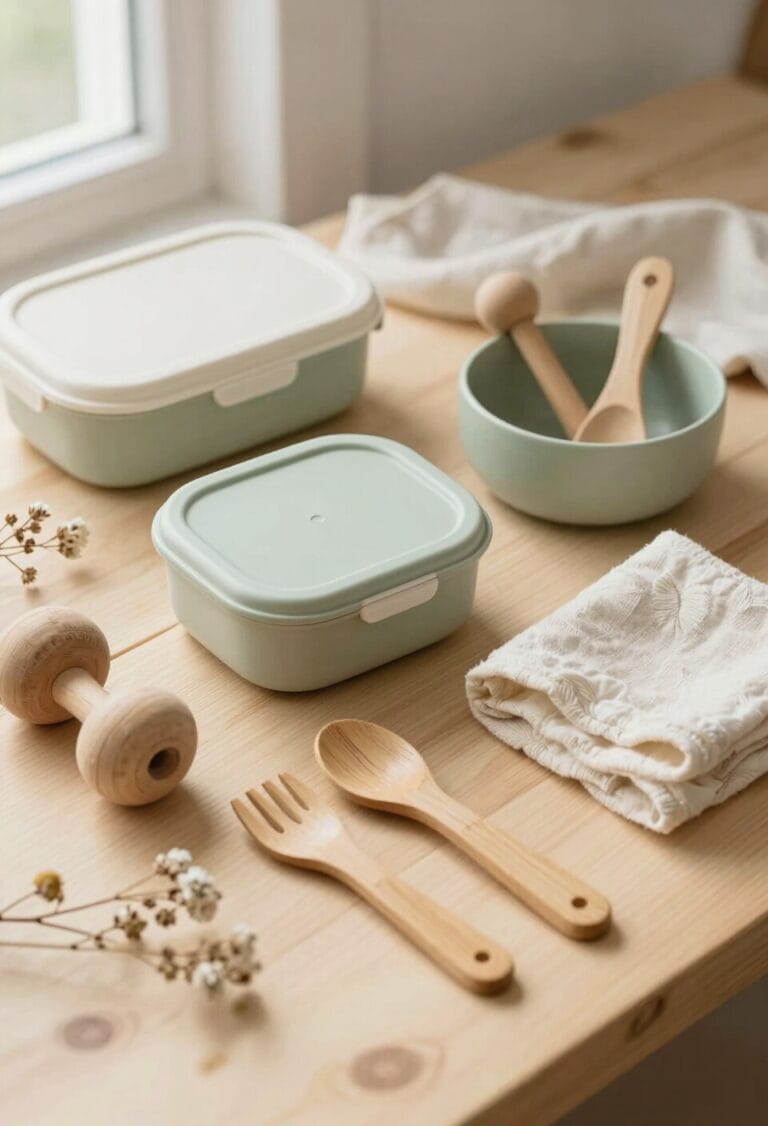
Now, when it comes to meals and everyday use, think about incorporating some reusable items. Using cloth napkins instead of paper towels and having a collection of reusable containers can truly help lower your environmental impact. It’s incredible how such small changes add up over time.
So, why does this matter? Making your living situation more sustainable isn’t just about saving the planet—it’s also about maintaining harmony with your roommates. Staying proactive makes it easier to address any conflicts before they become bigger issues.
In the end, setting up these systems might take a bit of effort at first, but it’s totally worth it. You’ll find that keeping your living space eco-friendly can also foster a supportive and friendly atmosphere.
What steps will you take today to start?
Key Takeaways
- Establish clear communication and roles for shared responsibilities to minimize misunderstandings and conflicts.
- Implement a shared grocery shopping schedule to manage food stock and reduce waste collaboratively.
- Create designated spaces for shared items to enhance organization and maintain cleanliness in communal areas.
- Utilize a cleaning calendar to outline tasks and promote accountability among roommates.
- Celebrate collective achievements, such as successful composting efforts, to foster a positive living environment.
Zero Waste Communication for a Positive Living Environment

Sharing a living space can sometimes feel like navigating a minefield, especially when your roommates have different ideas about sustainability. So, how can you create a harmonious living environment? Open communication is key.
Start by discussing your personal space and shared responsibilities. It’s surprising how much clarity a simple cleaning schedule can bring. This way, everyone knows what’s expected, particularly when it comes to composting and recycling. You might even consider making a visual chart so it’s easier to follow.
Here’s the trick: when discussing issues, use “I statements” to keep the conversation constructive. Instead of saying “You never take out the trash,” try saying, “I feel frustrated when the trash isn’t taken out on time.” This approach minimizes blame and opens doors to understanding.
Honestly, engaging in positive talks about your waste reduction goals can really help everyone get on the same page. So, what are some of your sustainability ambitions? When you foster mutual respect, you create a space where everyone encourages each other’s eco-friendly habits.
In short, working together on these shared goals can transform your living space into a reflective environment of your commitment to sustainability. Have you thought about how to motivate your roommates in their green practices? Consider integrating reusable market bags into your shared systems to reduce plastic waste effectively.
How to Share Food Fairly and Cut Down on Waste

Creating a peaceful home isn’t just about talking chores, it also includes sharing and enjoying food together. Ever found yourself staring at a fridge full of stuff you forgot about? Setting up clear spots for everyone in the fridge and cupboards can really help. This way, you’re less likely to buy duplicates or let food go bad because no one knows it’s there.
Think about teaming up for grocery shopping. Establishing a communal schedule means everyone knows what food is in stock and what expenses to expect. It makes those last-minute runs for random snacks less likely. Plus, having a “leftover shelf” encourages everyone to get creative before food spoils. Here’s a tip: try to keep an eye on expiration dates. This little habit helps us stay on top of what needs to be eaten first.
Why does this matter? Open communication is key. It allows you to balance what you like with what the group prefers, making mealtime more enjoyable while cutting down on waste. Remember, working together can turn food sharing into a fun, bonding experience rather than a chore.
In a nutshell, set up designated spaces, collaborate on shopping, and keep an eye on leftovers. What are some ways you think you can cut down on food waste in your own home? Using compostable wooden cutlery instead of plastic can also significantly reduce your household waste footprint.
Designing a Cleaning Schedule to Foster Cooperation

Ever noticed how a messy place can just drain your energy? If cleaning’s out of control in your home, you’re not alone. A solid cleaning schedule might be just what you need to turn that chaos into calm. By setting up a weekly or bi-weekly cleaning plan, everyone can pitch in and share the responsibility of keeping your space looking nice.
Here’s a simple trick: consider using Google Calendar or a visual chore chart. These tools can clarify what needs to be done and when, plus they send friendly reminders. When everyone knows what’s expected, it cuts down on misunderstandings. Plus, nobody feels stuck with the same chores all the time—rotate tasks so everyone gets a fair shot, and it keeps things fresh.
Now, let’s talk about communication. Why is it so important? Simply put, when a new housemate moves in or problems pop up, it’s a good idea to revisit that schedule. Open discussions create a cooperative vibe that can prevent conflicts before they even start. The best part is, it helps everyone feel like they have a stake in the home, turning it into a cozy haven for all. Incorporating eco-friendly habits into your cleaning routine can also strengthen your group’s commitment to sustainability and shared responsibility.
Common Area Organization to Support Your Cleaning Routine
Tired of messy common areas? It’s such a mood-killer when living with roommates and your shared spaces look like a tornado hit them. A simple way to boost your living situation is by creating designated zones for your shared items. Think storage bins or labeled baskets for different purposes. This kind of organization not only keeps things neat but helps everyone feel more relaxed at home.
Communication is key here. Establishing a cleaning calendar can help everyone stay on track with their chores. The best part is knowing that everyone is accountable for their own mess. When each person commits to cleaning their assigned areas, it sets a standard for how your home feels. Plus, it can eliminate any confusion about who’s responsible for what.
You might also want to think about some ground rules for using shared kitchen stuff. Nobody likes finding dirty dishes piled up or realizing the pan you need is still soaking. It’s all about keeping things clear so there are no hard feelings. And if someone borrows a mug or a dish, it’s best to wash and return it promptly. This little act goes a long way in creating a more peaceful living space.
For kitchen items like garlic and other produce, consider using breathable storage bags to keep them fresh longer and reduce waste.
How to Incorporate Reusable Kitchen Supplies to Lower Waste
I know how it feels to look around the kitchen and think about all the waste. Making changes can seem overwhelming, but using reusable supplies isn’t just good for the planet—it actually makes everyday life simpler, too. Start with some basics: switch out paper napkins for cloth ones, use dish towels instead of paper towels, and grab reusable shopping bags for your grocery runs. These small steps really add up over time.
Now, sharing those reusable items can lead to a bit of chaos if you’re not careful. So, here’s the trick: designate specific spots for your kitchen supplies. When everyone knows where things go, it helps keep your space tidy and makes it easy to grab what you need. You might also consider setting up a rotation system for washing these items, so everyone chips in and keeps things fair.
Truth is, it’s easy to get stuck in old habits. To make sustainable disposal simple, why not label a compost bin for your food scraps? It’s a straightforward way to reduce waste right in your kitchen. The best part is, when you invest in bulk refillable containers for things like grains and spices, you cut down on packaging waste and even save money in the long run.
Incorporating eco-friendly materials in your kitchen supplies, like plant-based sponges, can further reduce your environmental impact without sacrificing cleaning effectiveness.
So, why does this matter? Because each small change contributes to a healthier environment—and it’s something we can do together. Whether you’re living with friends or family, collaborating on these eco-friendly habits can strengthen your community and help everyone feel good about their choices.
In short, putting reusable kitchen supplies into action is a win-win for you and the planet. Ready to give it a shot? What’s the first change you’ll make?
Writing a Roommate Agreement for Eco-Friendly Living
Creating an eco-friendly space with your roommate can feel overwhelming at first. But don’t worry—setting clear rules can make it a lot easier. For instance, you should make waste sorting a priority. Establishing designated areas for recycling and composting is key. You might also find it helpful to agree on food storage spots to avoid confusion. Want to cut down on food waste? Try setting up a shared grocery shopping schedule.
When it comes to cleaning, using eco-friendly products is a must. Brands like Mrs. Meyer’s can keep your space clean without harming the environment. Plus, consider investing in energy-efficient appliances; they not only help the planet but can also save you money in the long run. So, how can you reduce energy use? Sharing meal prep or batch cooking can make a big difference. Cooking together saves resources, and it’s a fun way to bond.
It’s also important to chat about guest policies. What happens when friends come over? You want to make sure everyone’s on the same page to keep your shared space green and enjoyable. Don’t forget: checking in on this agreement regularly is crucial. Keeping lines of communication open helps you both stay committed to your eco-friendly efforts. Using ergonomic design in shared tools and products ensures everyone enjoys comfort and functionality, promoting longer use and less waste.
Tips for Resolving Roommate Conflicts Smoothly
Roommate conflicts can catch us off guard, usually over small stuff like cleaning habits or how we share spaces. So, what can you do to keep the peace at home? It’s super helpful to set clear rules about chores right from the start. Consider trying a shared cleaning schedule or a chore chart, like the ones available through Cozi. This way, everyone knows what’s expected and it helps keep things fair and tidy.
Communication is the heart of resolving conflicts. Using “I statements” when discussing issues can make a big difference. For example, saying “I feel overwhelmed when the dishes are piled up” is way better than pointing fingers. Active listening with your roommate is also key. It shows that you’re considering their perspective and opens the door for working together to find a solution.
So here’s the trick: make it a habit to check in with each other regularly. Addressing any little tensions early on will prevent bigger disagreements down the line. A proactive approach to resolving conflicts helps create a welcoming atmosphere at home.
In short, a little effort goes a long way in making your shared space comfortable and eco-friendly for everyone. Incorporating sustainable products like beeswax wraps into your kitchen routine can reduce plastic waste and promote harmony in shared living spaces.
What strategies have you found helpful to keep the peace with roommates?
Celebrating Your Zero Waste Accomplishments Together
Have you ever felt overwhelmed by all the waste we generate? It seems like everywhere you look, there’s more plastic or things we throw away without a second thought. But what if I told you that celebrating your zero waste wins can not only lighten that load but also bring you and your housemates closer?
Sharing successes, like finally getting your compost bin right or cutting back on those pesky single-use plastics, really helps build a sense of togetherness. It’s exciting when you all remember to grab those reusable bags for grocery runs or whip up your own cleaning products. It’s amazing how these small changes accumulate into something much bigger!
Why not consider hosting monthly get-togethers to reflect on how far you’ve come? You could share tips, brainstorm new goals, and keep each other motivated. Track your achievements together, too; think about noting how many pounds of compost you produce as a group. Those numbers can serve as a tangible reminder of your commitment to staying green.
Don’t forget to celebrate milestones, such as successfully creating a zero waste pantry! These moments not only make for great memories, but they also strengthen your communication and responsibility towards each other. Using compostable trash bags in your shared compost system can further reduce plastic waste and support your zero waste goals.
Frequently Asked Questions
Why Is Zero Garbage System Important at Domestic Level?
Imagine our homes as fertile gardens; embracing a zero garbage system cultivates sustainability impact, environmental benefits, and financial savings. Together, we can drive health improvements, foster community awareness, and create valuable educational opportunities through our lifestyle changes.
Do Roommates Share Cleaning Supplies?
Yes, we do share cleaning supplies! By organizing cleaning responsibilities and establishing a supply rotation, we can stick to a shared budget. Eco-friendly options and smart storage solutions help us avoid conflicts while maintaining a cleaning schedule.
How to Implement Zero Waste Management?
To implement zero waste management, we can start with recycling bins and compost systems. By bulk buying, conducting waste audits, making DIY cleaning supplies, and promoting eco-friendly swaps, we’ll enhance our community involvement and sustainability.
What Is the Methodology of Zero Garbage System?
The zero garbage system follows waste hierarchy principles, promoting reusable products and composting techniques. By embracing eco-friendly alternatives, sustainable practices, and community involvement, we can all contribute to a healthier circular economy together.