As an Amazon Associate, we earn from qualifying purchases. Some links on this site are affiliate links at no extra cost to you. Our recommendations are based on thorough research and editorial judgment.


A Year of Low-Waste Milestones (Monthly Focus Areas)

Trying to reduce waste can feel overwhelming, right? But you don’t have to tackle it all at once. This year, let’s break it down into manageable milestones, one month at a time.
In January, start with something simple: switch to reusable shopping bags. They’re not just better for the planet, but they’re also strong and can hold a lot more than those flimsy plastic ones. It’s a small change that packs a big punch!
Come February, the focus shifts to metal water bottles. Not only do they help reduce single-use plastic, but they also keep your drinks cold (or hot!) for hours. The best part is, they come in so many styles, you’re bound to find one that feels right for you.
As we move through the months, think about incorporating new habits like:
- Buying laundry supplies in bulk to cut down on packaging
- Choosing solid shampoo bars instead of traditional plastic bottles
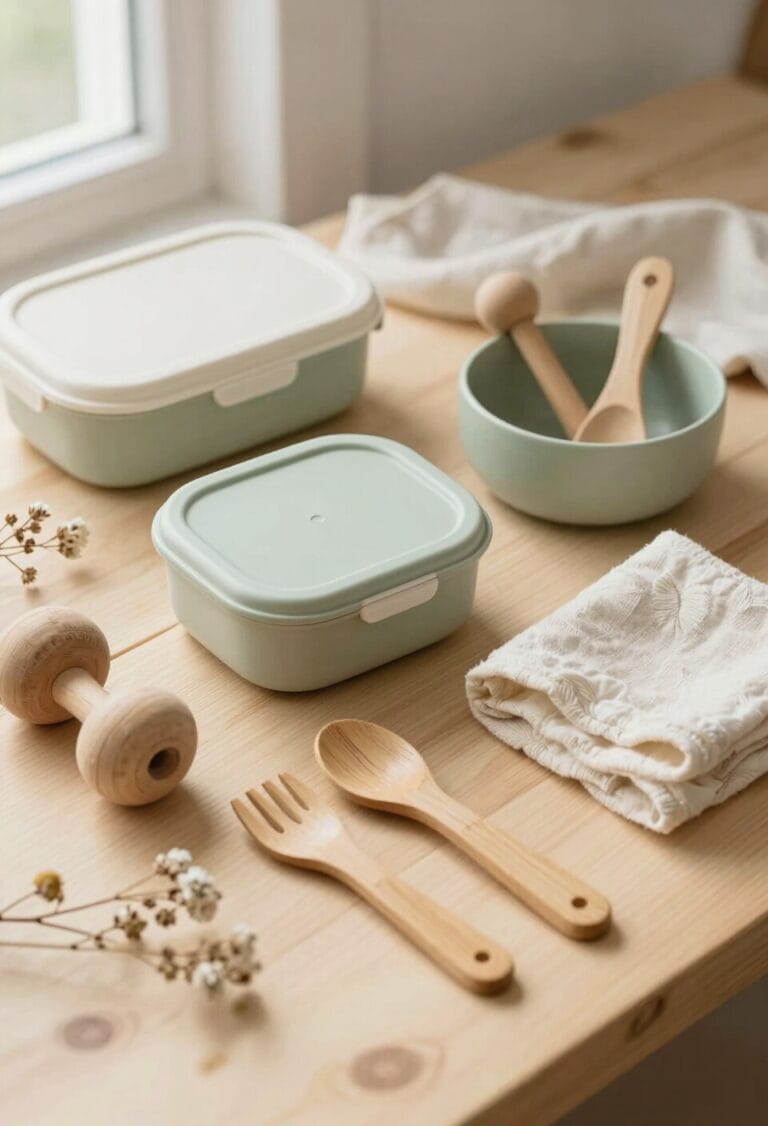
- Using reusable containers instead of disposable ones for leftovers
So, why does this matter? Making these small changes can have a big impact, not just on your life but on the community around you.
When you share your successes, you might just inspire someone else to join you on this journey.
Keep your eyes peeled for practical tips that can help you stick to these goals. Honestly, even little wins deserve celebration because they motivate us to keep going.
What changes are you thinking of making this month?
Key Takeaways
- January: Begin by replacing disposable plastic shopping bags with reusable ones for grocery shopping.
- February: Incorporate reusable products like stainless steel water bottles into your daily routine.
- March: Shift to bulk laundry supplies or create your own DIY laundry detergent to minimize waste.
- April: Experiment with plastic-free personal care items such as shampoo bars to reduce plastic use.
- May: Focus on using reusable cutlery and containers to promote sustainable eating habits.
Define Low-Waste Milestones: Your Path to Sustainable Living
Low-waste milestones might seem like a tall order, but they really come down to setting small, doable goals that can help you live more sustainably. By tackling one new low-waste habit each month, like swapping out plastic bags for reusable ones, you can slowly make a real difference. For example, how about starting January with cloth bags, and then in November, focus on cutting down on energy use?
You can enjoy the journey! Celebrate those little victories along the way because every step counts. Joining community events like local cleanups not only boosts your efforts but also connects you with others who care about the same issues. So, why not share what you’ve learned? When you talk about your experiences, it sparks inspiration and makes the process a lot more enjoyable.
Here’s the trick: make it fun and easy! You might find that creating a plan and tracking your progress keeps you motivated. Honestly, finding supportive friends or family to join you makes it even better. You’re all in this together, learning and growing as you create a collective impact.
In the end, remember that small changes can lead to big results. What’s one low-waste change you’re willing to try this month? Using beeswax wraps is a simple swap that reduces plastic waste while keeping your food fresh.
Monthly Goals for Sustainable Living: January to December

Are you tired of seeing plastic waste piling up everywhere? It’s a real problem, and tackling it can seem overwhelming, but breaking it down month by month makes it manageable and even a little fun. Let’s dive into some sustainable living goals that you can take on this year, starting with January!
Try this: ditch those disposable plastic shopping bags. It sounds simple, but you’d be surprised how much of a difference it makes. In February, continue the trend by using reusable products. Think stainless steel water bottles and durable shopping bags. These aren’t just better for the planet; they also save you money in the long run!
March is all about making the switch from plastic jugs to bulk laundry supplies or going the DIY route. If you’ve never tried making your own laundry detergent, now’s the perfect time to experiment. It can feel really satisfying—and you’ll have less waste to deal with.
As April rolls in, start exploring plastic-free alternatives for personal care. Shampoo and conditioner bars are great options that work just as well as their bottled counterparts. Plus, you’ll be amazed at how good they smell and how easy they are to store.
When May arrives, let’s focus on eating sustainably. Why not replace single-use plastic cutlery with reusable options? It contributes to biodiversity and keeps those pesky plastics out of the ocean and landfills. Each month brings fresh challenges, but these changes aren’t just about saving the planet—they’re about creating a healthier lifestyle for ourselves.
The best part is, embracing zero waste can make the journey feel lighter. Even small shifts add up over time. So, why does this matter? Because every little change counts. Let’s stick to these goals together and enjoy the process of moving toward a greener, cleaner lifestyle. What sustainable habit are you excited to try this month?
One simple swap to consider is replacing single-use plastic wrap with airtight silicone lids, which help reduce waste by sealing in food freshness without harmful chemicals.
Recommended Products

【Ideal Gift Choice】Our bottle will be peosonlized and shipped in the USA. You can customize the tumblers with photos, logos or text according to your preferences.It is sure to be a great gift to mother, father, wife, husband, son, daughter, frineds or yourself.

STAINLESS STEEL WATER BOTTLES – 20 Ounce Water Bottles are perfect for the car, office, gym, and school. The screw-on cap provides you with peace of mind knowing your water is not going to spill. Never worry again while you are on-the-go.

Strategies for Each Month: Practical Tips to Achieve Your Goals

As we dive into each month, it’s clear that setting up some practical strategies can really help in reaching our sustainability goals. Ever look at your recycling bin and feel overwhelmed? Start January by organizing it with labels for paper, plastic, and glass. It makes sorting so much easier and keeps us on track.
Now, rolling into February, consider investing in some durable products. Think about swapping out single-use items for stainless steel water bottles and glass food containers. This not only helps cut down on waste but also gives you quality items that last. It’s a simple way to make a real difference.
March brings warmer days, which is perfect for getting involved in local planting events. Why not roll up your sleeves and join friends or family to plant trees or flowers? It’s a great way to connect with your community and gives the earth a little boost.
When April comes around, it’s time to consider energy efficiency. Switching to LED light bulbs is a biggie. Plus, running a simple energy audit in your home can show you where you might be wasting power. The best part is, these small changes can lead to savings on your energy bill, too!
Finally, as we hit May, let’s take a moment to appreciate nature. Planting bee-friendly blooms is a wonderful way to protect biodiversity. Why not encourage these crucial pollinators to thrive in your garden? Remember, every little effort counts.
Additionally, incorporating silicone produce bags into your kitchen routine can help reduce single-use plastic waste while keeping your fruits and veggies fresh longer.
Recommended Products

Dometic Double-Wall Insulated Stainless Steel Water Bottles

[Personalized Bottle for Women]:Searching for the personalized Birthday Mother's Day, Christmas, Thanksgiving, Valentine's Day, or Anniversary gift?This custom water bottle is a great choice. Customize the water bottle with a name.quote, or message to surprise your mom, dad, lover, friends, teachers,colleagues or even treat yourself! lt's a heartfelt, practical gift that combinesfunctionality with personalization

Ideal Gift Choice: Our bottle will be personalized and shipped in the USA. You can customize the tumblers with photos, logos or text according to your preferences.It is sure to be a great gift to mother, father, wife, husband, son, daughter, friends or yourself.
Engaging Your Community: Building Collective Low-Waste Solutions
Have you ever looked around at the piles of waste and thought, “There’s got to be a better way”? When we come together as a community, we can actually change how we handle trash for the better. Take Lafayette, for example. More than 70 residents joined forces to push for a recycling program, showing that collective action really can influence local policies.
Try this: partner up with local leaders who understand the unique challenges your neighborhood faces in waste management. There are some great community-led efforts happening out there, like WasteCap Nebraska. They’re making strides to reach goals like 90% resource recovery by following resources like Eco-Cycle’s Roadmap. The best part is that when everyone’s involved in decision-making, waste management systems can truly reflect the needs of the community.
And here’s a simple tip — using glass containers instead of plastic can make a big difference in reducing waste. So, why not make the switch? It’s a small change that can have a huge impact. Another sustainable choice is switching to bamboo-based products, which are renewable and break down faster than traditional materials.
Honestly, it doesn’t take much to create lasting low-waste solutions. If we each take simple steps and encourage our neighbors to do the same, we can collectively make a difference. Next time you’re tossing something away, ask yourself — how can we do better? Together, let’s tackle waste with fresh ideas and community spirit!
Look Back and Celebrate: How to Reflect on Your Low-Waste Wins?
Have you ever looked back on your low-waste journey and felt a sense of pride? It’s amazing how our small choices, like swapping those plastic shampoo bottles for refillable ones, can make a difference. Celebrating milestones like ditching single-use bags in January or buying bulk items in April can really highlight our progress. Each step, no matter how tiny, builds positive habits that last.
Take a moment to jot down your achievements. Maybe you tackled bringing your own containers for takeout, or shifted to a compost system at home. These reflections don’t just remind us of how far we’ve come; they also show where we can grow. For instance, sourcing local produce in September or figuring out how to cut down on energy use in November are great goals to keep pushing towards.
So, why does this matter? Sharing your wins with friends and family can inspire a ripple effect in your community. When you talk about your journey, you’re not just celebrating your own achievements but also encouraging others to join in on a more sustainable lifestyle.
Truth is, every little victory counts. What milestones are you most proud of? Let’s keep the conversation going and inspire each other to do better! Using compostable trash bags is one such step that helps reduce plastic waste and promotes sustainability.
Frequently Asked Questions
What Are the 5 Steps of a Zero Waste Lifestyle?
When it comes to going green, we’ve got to start somewhere! The five steps of a zero waste lifestyle are refusing, reducing, reusing, recycling, and composting, fostering sustainable habits and eco-friendly choices for a cleaner planet.
What Are the 3 Principles of Waste Minimization?
The three principles of waste minimization are reduce, reuse, and recycle. By focusing on reducing consumption, we can embrace sustainable practices that minimize waste and make a positive impact on our environment together.
What Are the 5 Principles of Zero Waste?
The five principles of Zero Waste are Refuse, Reduce, Reuse, Recycle, and Rot. By adopting these, we can enhance recycling practices and understand the composting benefits, ultimately leading to a more sustainable, waste-free lifestyle.
What Is the Main Objective of the Zero Waste Moment?
The main objective of the Zero Waste movement’s to implement sustainable practices that minimize waste and promote community engagement. Together, we can transform our economy, reduce environmental impact, and foster collaborative solutions for a cleaner future.