As an Amazon Associate, we earn from qualifying purchases. Some links on this site are affiliate links at no extra cost to you. Our recommendations are based on thorough research and editorial judgment.

Recycling vs Reducing: How to Prioritize Actions for Real Impact

What if I told you that we could make a real dent in our waste problem by focusing on reducing what we consume first? Think about it: how often do you grab a single-use plastic water bottle or a shopping bag without a second thought?
By cutting back on these everyday items, you’re not just recycling; you’re actively changing the way you shop and live. Brands like Reusable and Hydro Flask are stepping up to support our eco-friendly choices, giving you better options that help the environment and your community at the same time.
So, why does this matter? It’s simple: the less we consume, the less waste we produce. When we prioritize reducing waste, we start a chain reaction that can lead to a healthier planet.
Here’s the trick: look for products that can be used multiple times instead of once. Bring your own bags to the store and keep a reusable water bottle handy.
Truth is, small changes add up. Each time you make a conscious decision to skip that plastic bag or bottle, you’re taking a step toward a more sustainable lifestyle. If we keep digging for new ways to cut down on what we use, we’ll discover even more practical strategies that lead to a real impact.
In short, let’s commit to reducing our consumption. What changes can you make today to start living more sustainably?
Key Takeaways
- Prioritize reducing waste by avoiding single-use plastics and minimizing overall consumption for greater environmental impact.
- Understand that recycling still consumes energy; hence reducing waste at the source is more effective for emission cuts.
- Engage in mindful purchasing to encourage companies to innovate sustainably, driving market demand for better practices.
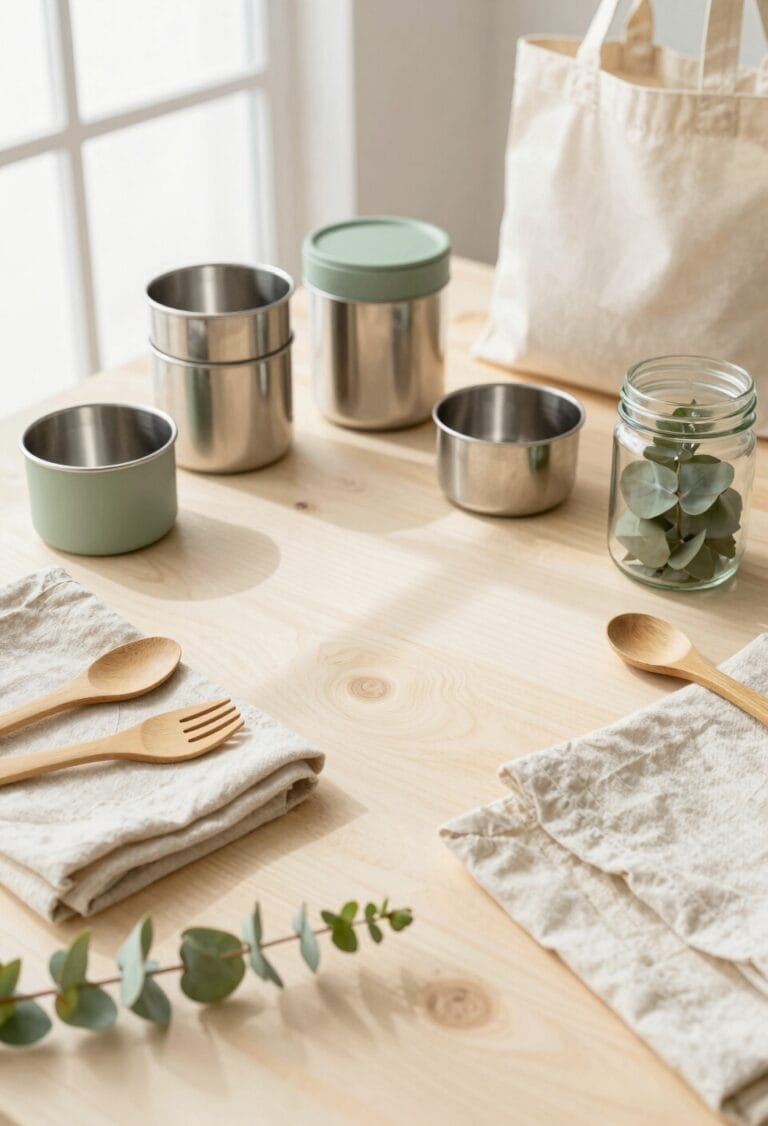
- Utilize reusable containers and bags to eliminate disposable options and significantly decrease overall waste generated.
- Advocate for community initiatives and share knowledge to inspire collective actions toward waste reduction and environmental awareness.
The Importance of Waste Reduction

When it comes to reducing waste, have you ever thought about how every little action matters? It’s amazing how small changes can make a big difference. By adopting a sustainable approach to waste reduction, you can tackle issues right at the source. For instance, simply cutting down on your consumption can save precious resources even before recycling comes into the picture.
Here’s a tip: next time you shop, consider skipping single-use plastics or seek out brands that don’t overload their products with packaging. Not only does this help the planet, but it could also save you some cash by cutting down on waste management fees.
So, why does this matter? When you shift your buying habits towards reducing waste, it creates a smarter system overall. Plus, it encourages companies to innovate in sustainable practices, which benefits everyone in the long run.
Truth is, being mindful about waste can feel overwhelming at times, but the key is to take it one step at a time. Celebrate those little victories! Every choice adds up and can lead to a healthier planet. Are you ready to start making changes? Using bamboo utensils is one practical way to reduce your reliance on disposable plastics and minimize waste.
Understanding the Environmental Impact of Waste
Have you ever thought about where your trash really goes? Understanding the environmental impact of waste matters more than you might think. Every item you toss has a journey that starts long before it hits the landfill. And here’s the kicker: it’s possible to cut greenhouse gas emissions significantly just by focusing on reducing waste instead of solely counting on recycling.
Most of the environmental damage happens when raw materials are extracted and made into products. This is why changing your consumption habits can make a real difference. As an example, if you decide to skip that single-use plastic water bottle, you’re actually helping to eliminate a whole bunch of pollution associated with its entire life cycle.
Sure, recycling is important, and when it’s done right, it contributes to sustainability. But remember, recycling often requires energy and resources too. The best part is that prioritizing waste reduction in your daily decisions can have a big impact. So, why not make small changes that add up?
One effective way to support environmental sustainability is by choosing products made from vegetable-based materials that decompose naturally.
Here’s the trick: start by being mindful of what you buy. Ask yourself if you really need that item, or if there’s a more sustainable choice. When shopping, look for products with minimal packaging or alternatives that you can use multiple times.
Truth is, every little bit helps. You don’t have to make radical changes overnight. Just take one step at a time, and you might find it’s easier than you thought.
To sum it up, by minimizing waste and prioritizing smarter choices in what you consume, you can play a key role in the waste management hierarchy. What small change will you make today to help the environment?
How Recycling Fits Into Waste Management

Have you ever looked at your trash and wondered where it all ends up? Recycling is one big way to tackle that waste problem, and it can really make a difference for the planet. By sorting out recyclable materials, you’re not just cleaning up the environment, you’re also helping to lower greenhouse gas emissions. For instance, back in 2018, recycling in the U.S. kept 193 million metric tons of these gases out of the atmosphere. That’s huge!
Now, let’s talk about the perks. Recycling doesn’t just help the environment; it can also create jobs and boost local economies. Did you know it supports around 681,000 jobs and brings in significant wages? But here’s the kicker: many folks still don’t know what can be recycled, and our infrastructure often lags behind what’s needed. So what can you do about it?
Here’s the trick: start by understanding your local recycling rules. Every community is a little different, and what can go in your bin might not be the same as someone else’s. Try keeping a list of recyclable items on your fridge or in your phone. It’s a simple way to remind yourself when sorting your trash.
Then, how about sharing that info with your friends and family? Honestly, the more we talk about it, the clearer it becomes. When people know what’s recyclable, they’re more likely to do it. That’s one small step we can all take for a cleaner environment!
To wrap it up, recycling is a vital part of managing our waste and taking care of our world. By making informed choices and talking about it, we can really make a positive impact. Using products like compostable trash bags can further reduce landfill waste and support sustainable practices. So, what’s one thing you can do this week to boost your recycling efforts?
How Reducing Waste Benefits Communities and the Economy
Reducing waste isn’t just about tidying up; it can actually bring some real benefits to our communities and our economy. Have you ever thought about what happens when we cut down on trash? When we work together to reduce waste, we’re not only decreasing our dependence on landfills but also improving the overall health and appearance of our neighborhoods.
By adopting more sustainable practices, we can lower greenhouse gas emissions and save energy. That’s a win-win for all of us and for the planet. Picture this: when communities actively try to cut down on waste, they often see financial perks too. These could include lower waste management costs and savings on trash collection fees.
Here’s the trick: focusing on waste reduction can really strengthen local recycling programs. This makes it more appealing for businesses to invest in your area, and guess what? More investments mean more job opportunities. Truth is, when we take steps to reduce waste, we’re not just helping the environment; we’re also building resilience in our communities and improving our day-to-day lives.
So, what can you do? Start small by recycling more at home, composting food scraps, or cutting back on single-use plastics. Using organic cotton bags instead of disposable plastic ones is one simple change that supports this effort. Every little bit helps! Honestly, even making a few simple changes can lead to a healthier environment and a thriving community.
Effective Waste Reduction Strategies
Have you ever thought about just how much waste we all create every day? It’s kinda shocking, right? The good news is there are plenty of simple ways we can cut back on waste and make a real difference.
Start by consuming less, especially when it comes to single-use plastics. These things are everywhere, and they add up fast. Instead of grabbing a plastic bottle, carry a reusable one with you. Another smart move is to print double-sided whenever you can. It’s an easy way to save paper and money at the same time. Plus, buying in bulk can really reduce packaging waste, so next time you hit the store, consider stocking up on your go-to items.
Ever thought about reusing containers or bags? It’s a small change that can really help reduce waste. I mean, why toss a perfectly good container when you can use it for something else? It’s all about finding those little ways to make a big impact.
Participating in community events or programs can spread the word about mindful consumption. So, why not engage friends and family in these conversations? Sharing what you learn can inspire others to think twice about how they consume.
Advocating for better corporate practices is also key. Seriously, pushing for companies to reduce waste right from the start can change the whole game. Getting involved with local organizations that focus on sustainability might also open your eyes to what’s possible.
Honestly, these strategies can really help fight greenhouse gases and move us toward a cleaner planet. Using reusable cotton mesh produce bags is one practical way to significantly cut down on single-use plastic waste during your grocery runs.
So, what small changes can you make today to start? Let’s commit to being part of the solution together!
Reducing Versus Recycling: Which Is More Effective?
Have you ever thought about how much waste you produce daily? It’s easy to feel overwhelmed by the whole recycling mess, but here’s the deal: reducing waste at the source is way more effective than just recycling it. By cutting back on single-use plastics and other disposable items, you’re not only preventing waste from being created in the first place, but you’re also saving energy and resources that go into recycling them.
Think about it this way: when you reduce, you’re also saving on those pesky greenhouse gas emissions that come along with recycling processes. Life cycle assessments show that focusing on reducing waste gives us much bigger environmental wins than dealing with waste after the fact.
So, what does this look like in real life? Here are some steps you can take:
- Choose reusable items: Instead of grabbing that single-use cup, carry a reusable water bottle or coffee mug.
- Opt for bulk buying: Say no to individually wrapped snacks or products—buy in bulk to cut down on packaging.
- Support businesses that prioritize sustainability: Look for brands that focus on smart product design and reducing their waste.
Incorporating eco-friendly materials into your everyday products is another way to minimize your environmental impact.
If recycling helps recover materials and creates jobs, that’s great, but prioritizing reduction really fosters sustainable habits. You start to think differently about what you buy and use, making life a little simpler—both for you and the planet.
Honestly, embracing this mindset benefits everyone. You contribute to a healthier environment while making waste management a bit easier.
In short, focusing on reducing waste makes a bigger impact than just recycling what we’ve already used. So, what’s one change you can make today to cut down on waste?
Practical Tips for Reducing Waste in Daily Life
Ever feel like you’re drowning in waste? It’s all around us, and every little bit adds up. Making small changes in your daily routine can really help cut down on the trash we create.
Try this: swap out single-use plastic bags for reusable shopping bags. It’s an easy switch and can significantly reduce plastic waste. Every time you choose a reusable bag, you’re saving tons of plastic from piling up in landfills. Plus, get some reusable containers while you’re at it—they’re great for leftovers and really cut down on the need for disposable ones.
Honestly, if you print a lot of documents, try double-sided printing next time. This simple trick can cut your paper use by up to 50%. Think about it—you’re not just saving trees, but also decluttering your workspace.
Another idea? Consider buying your groceries in bulk. Not only does this help minimize packaging waste, but it can also save you money in the long run. The best part is, you can stock up on your favorite items without all that excess packaging piling up.
Have you ever thought about composting? It’s easier than it sounds. You can start by collecting food scraps at home; even if you don’t have a yard, many communities have composting programs. So, why does this matter? Not only does composting reduce waste, but it also enriches the soil.
Finally, take a moment to familiarize yourself with your local recycling guidelines. Knowing what’s recyclable in your area makes a big difference in reducing waste and improving recycling rates.
Switching to products made from sustainable bamboo is another excellent way to reduce plastic waste and support environmentally friendly choices.
Frequently Asked Questions
Why Is Reducing More Important Than Recycling?
Reducing’s essential because it directly minimizes environmental impact, promotes pollution prevention, and fosters sustainable habits. By prioritizing waste reduction, we conserve resources, enhance energy efficiency, and address landfill issues, ultimately embracing a more eco-friendly, minimalist lifestyle together.
What Is the 3 R Rule?
Let’s not throw caution to the wind; the 3 R’s—Reduce, Reuse, Recycle—enhance waste management. They promote sustainable practices, boost consumer behavior, and spark educational initiatives, leading to significant environmental impact and future innovations in corporate responsibility and policy changes.
What Order of Priority Should We Give to the Three Actions Reduce, Reuse, and Recycle?
We should prioritize reducing first, followed by reusing, and finally recycling. This order maximizes our environmental impact, promotes resource conservation, encourages community engagement, and fosters sustainable practices essential for a circular economy and green innovation.
Which of the Three R’s Has the Most Impact?
Did you know reducing waste can cut carbon emissions by up to 45%? We believe prioritizing reduction considerably lowers our environmental footprint, shaping consumer behavior while promoting sustainable practices and fostering community awareness for effective waste management.